March 18, 2024
Their steel structures are exceptionally strong and precisely manufactured. The entire production process was highly professional.
Oct 14, 2026
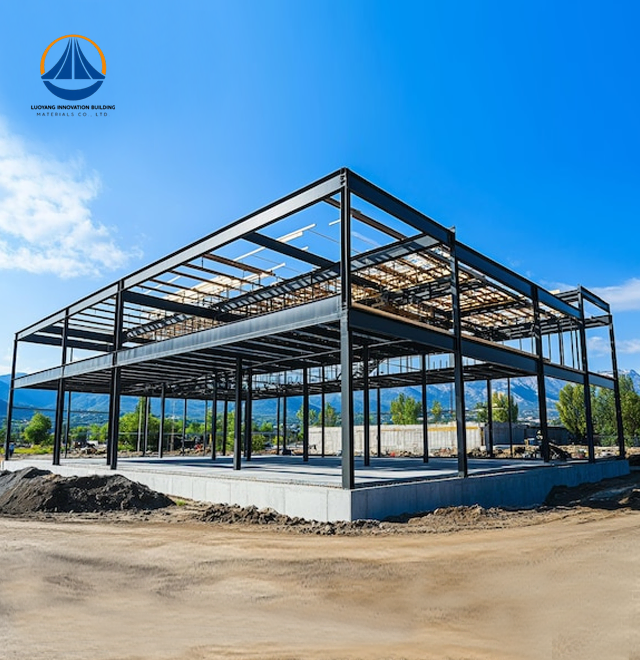
A steel structure stage is great for commercial performances because it can hold a lot of weight, doesn't catch fire, and can be put together in different ways. These stages are made from Q235B or Q355B structural steel and have lightweight H-beam or square tubular frames with galvanised C/Z-type purlins. They can hold more than 750 kg/m² of static load while keeping their deflection ratio below 400. Whether it's an outdoor concert, a business exhibition, or a big music festival, a steel stage platform gives procurement professionals the long-term value and structural reliability they need.

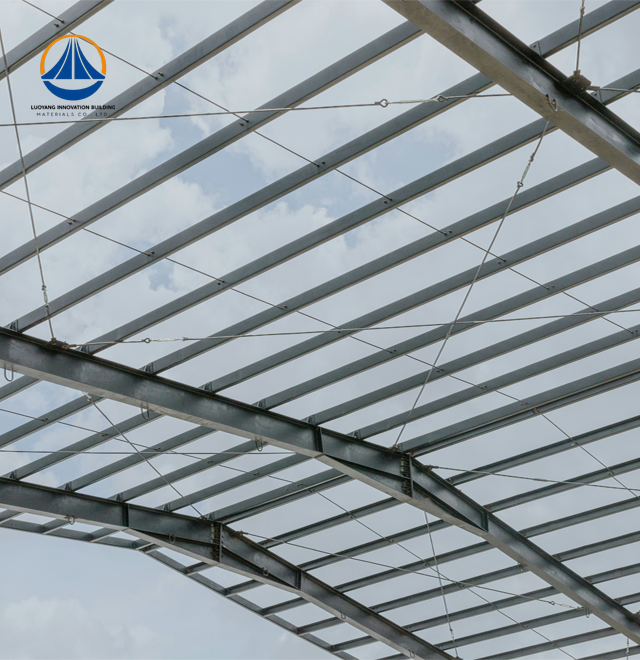
Steel stage platforms, which are designed for performances, are made from high-strength steels like Q235B or Q355B. There are fixed, flexible, and portable styles of them. They can be used for many business events because they have light H-beam or square tube steel frames and galvanised C/Z-type purlins and tie rods.
Steel is much more flexible than metal or wood. Between 235 to 345 MPa is how strong it is when bent. This keeps stage platforms stable when they have heavy things on them, like sound systems, rigging towers, and lighting arrays. The same amount of weight is put on both steel and reinforced concrete buildings of the same size. Steel buildings weigh 30–40% less. Because of this, foundations aren't needed as much, and the whole project costs less.
Steel stage sets are used in places that are always open for performances, outdoor events with travelling bands, and industrial exhibition halls. Heavy-duty mezzanine floors are put on top of them at trade shows to show off cars or machines. On fixed stages, they use hydraulic lifts and staging for the theatre. They don't bend or settle over time, even in places by the sea that are damp.
A steel structure stage designed for commercial or industrial use should meet relevant fabrication, welding, and structural safety requirements. AWS D1.1 provides welding standards for structural steel, while EN 1090 certification and CE marking may apply to structural components placed on the European market. For a durable steel structure stage, hot-dip galvanizing can provide corrosion protection, with coating thickness verified against the applicable requirements of ISO 1461 and the dimensions of the steel components. In particularly corrosive environments, a compatible high-build epoxy coating may offer additional protection and help extend the service life of the steel structure stage when properly specified and maintained. Factory fabrication followed by on-site bolted assembly can also simplify installation and reduce the amount of work required at the construction site. Compared with conventional concrete platforms, a prefabricated steel structure stage may shorten installation time, depending on design complexity, site conditions, and project preparation. By combining appropriate welding inspection, corrosion protection, and modular construction, a steel structure stage can offer an efficient solution for projects that require reliable structural performance and streamlined installation.

When procurement workers look at performance platforms, they always put three things at the top of their list: the safety of the structure, the flexibility of how it can be used, and the total cost of ownership. Steel stage platforms can handle all three with performance data that can be measured.
Depending on the span and beam design, steel stage platforms can hold anywhere from 500 kg to 1,500 kg per square metre. This space can hold concert-grade speaker systems, LED video walls, truss rigging, and broadcast equipment all at the same time. Precision processing in the factory makes sure that the dimensions are accurate to within ±2 mm, and the safety factor is checked by testing it at 1.5 times its rated capacity. Standard wooden or aluminium alternatives that cost the same amount of money cannot match these levels of efficiency.
Steel is a Class A fire-resistant material because it doesn't catch fire easily. Coatings that don't catch fire can be used to get fire ratings of up to 120 minutes, which meet international safety standards for venues. This is very important for business-to-business buyers who are in charge of event liability and insurance compliance. Because steel is uniformly ductile, it can also absorb energy during earthquakes or wind loads up to Beaufort 10. This makes it one of the most reliable building materials for outdoor business events.
Because steel stage parts are already made, a professional installation crew can finish a 500 m² main structure in 3 to 5 days. With modular configurations, the platform can be changed to fit different venue footprints, made longer to accommodate larger crowds, or taken apart and moved to different places. This speed directly speeds up the return on investment for rental companies and event management firms that have to stick to tight production schedules.
Choosing the right steel structure stage requires an objective comparison of different platform materials, including steel, aluminum, and concrete. Each option offers distinct advantages and limitations that can influence purchasing decisions, depending on the project's intended use, budget, installation schedule, and performance requirements. A steel structure stage is often suitable for applications that require high load-bearing capacity, structural stability, and flexible design options. Buyers should also consider corrosion resistance, maintenance requirements, transportation costs, and the complexity of on-site assembly when evaluating a steel structure stage. For temporary events and frequently relocated platforms, installation efficiency and ease of dismantling may be important considerations, while permanent installations may place greater emphasis on durability and long-term maintenance. By comparing these factors carefully, procurement teams can determine whether a steel structure stage meets their technical specifications and financial objectives. Ultimately, selecting a suitable steel structure stage involves balancing material performance, lifecycle costs, and the practical demands of the intended application.
Aluminium stages are lighter and easier to move, but they can't hold as much weight and aren't as rigid when big equipment is on them or when the crowd moves around. Steel is more durable and cost-effective than aluminium over long periods of time and multiple deployments. For long-term installations or high-frequency touring, the higher initial cost of steel is balanced by the fact that it requires less upkeep and has a service life that exceeds 20 years with normal anti-corrosion treatment.

Wooden stages soak up water, bend when the temperature changes, and need to have their surfaces treated regularly to keep them from rotting. Steel gets rid of all of these upkeep problems. Compared to wooden platforms, steel structures are also much better at resisting fire and earthquakes. The American Institute of Steel Construction (AISC) says that steel buildings are 98% recyclable when they are broken down. This means that steel stages are a better investment for businesses that care about the environment.
When the layout of a permanent venue doesn't change often, fixed steel stages work well. For rental and touring uses, modular steel stage systems are easier to move, can be expanded, and can be set up more quickly. With CNC plasma precision cutting, modular parts can be made to fit circular, cantilevered, or multi-level stage geometries without having to be made from scratch for each job.
It's not enough to just compare prices per square metre to find the best steel stage company. It's important for buyers that sellers have certifications that can be checked, can really make their goods fit their needs, and can offer expert help after the goods have been sent.
Before you buy something, make sure the seller has the requisite papers, such as COC or PVOC, and is certified by ISO 9001 for quality management. They should also have a CE mark under EN 1090. One type of Non-Destructive Testing (NDT) that should be used on important weld joints as part of quality control is Ultrasonic Testing (UT). Another is Magnetic Particle Inspection (MPI). You should also use an electromagnetic tester to make sure the coating is thick enough to stop rust in C3 to C5 environments.
Regular maintenance is essential for keeping a steel structure stage safe, stable, and durable throughout its service life. Routine inspections should cover the platform surface, weld joints, bolted connections, and attached components to identify signs of wear, loosening, or structural damage. Any visible corrosion on a steel structure stage should be assessed and treated promptly to prevent further deterioration. For hot-dip galvanized components installed near water or in humid environments, annual inspections can help identify coating damage and determine whether additional protection is needed. Replacing worn connectors, damaged fasteners, and deteriorated hardware in a timely manner also helps maintain the structural integrity of a steel structure stage. Compared with wooden platforms, a properly designed and maintained steel structure stage can offer stable dimensions and reduce certain maintenance demands, although its actual performance depends on the materials, protective coatings, and operating conditions. By establishing a regular inspection schedule and addressing minor issues early, facility managers can extend the service life of a steel structure stage, control maintenance costs, and support reliable long-term operation.
When you buy a stage platform, the price depends on how wide it is, how much weight it needs to hold, how it's finished, and how much you can change it. Shoppers can better plan their spending when they deal with companies that offer both standard design packages and the chance to have things made just the way they want them. Manufacturers can make specialised steel structure processing lines that can cut down on wait times. Project managers can keep events on time without having to pay extra for faster shipping.
Steel stage platforms have been used in business settings and have been found to be useful.
Three stages had to be set up at the same time on a 15-acre area for a big outdoor music event. They chose steel frames because they were simple to put together, link, and move from one show day to the next. The team was able to build each stage in less than four days because the parts were already made. In general, this kept the plan for putting on the event on track. Before any tools were put in place, tests with 1.5 times the structure's weight were done to make sure it was ready.
Someone in charge of an industrial show needed a mezzanine platform that could hold two show cars that weighed more than 3,000 kg each. The main frame will be made of steel H-beams, and the minor frames will be made of galvanised purlins. No metal or wooden system could stand up to point loads better than this one over the needed span. Because it didn't move or settle during the five-day show, the platform stayed the same size.
An arts center in the area built a steel fixed stage platform with hydraulic lifts and balance ropes. The base was stable because it was made of steel, and its size didn't change when the humidity did. During performance season, this made sure that the gear was always set up right. After coatings that didn't catch fire were put on the main structural members, the building had a 90-minute fire rating. This was enough to follow the building rules in the area.

A steel structure stage is a practical option for business events and large-scale performances because it can provide high load-bearing capacity, structural stability, and efficient assembly when properly designed. Compared with wooden platforms, a steel structure stage offers the advantage of being noncombustible, although the fire performance of the complete stage system also depends on its decking, finishes, and other components. Steel platforms can be suitable for concerts, art exhibitions, corporate events, and long-term performing arts installations where durability and reliable performance are important. With appropriate corrosion protection and regular maintenance, a steel structure stage can remain in service for many years, while its actual lifespan depends on environmental exposure, usage frequency, and maintenance practices. Compared with aluminum or wood alternatives, steel may offer different advantages in load capacity, weight, transportation, and installation costs, so buyers should assess each material according to project requirements. Selecting a steel structure stage also requires checking engineering calculations, applicable international standards, weld quality, and connection details. Before placing a large order, procurement teams should verify the supplier's production capacity, relevant certifications, and quality inspection records. By choosing a qualified manufacturer, buyers can source a steel structure stage that meets the project's structural requirements, installation schedule, and long-term operational needs.
A steel stage platform with a hot-dip galvanised finish will last longer than 20 years if it is well taken care of. A similar wooden platform usually needs major structure repairs or replacement every 7 to 10 years because of damage from water, UV light, and living things breaking down. After the first ten years of use, steel has a lower total cost of ownership.
Yes. CNC plasma cutting makes it possible to precisely make steel parts for stages that are round, suspended, or have more than one level. Modular systems can be used in a variety of architectural configurations and don't need completely new engineering designs for each project. Because of this, steel stages can be used in business settings with a brand identity and in permanent venues with unique architecture.
Check for ISO 9001, CE marking under EN 1090, ASTM A36 material compliance, and AWS D1.1 welding standards before making a purchase. Depending on the country of destination, you may need to get extra market-specific certifications like COC or PVOC.
A professional installation crew can usually finish the main structure of a 500 m² steel stage in three to five days. This is a lot faster than alternatives made of reinforced concrete, which need time to cure.
Steel can be recycled over and over again, so when it's time to tear it down, it doesn't make much building waste. This is in line with the standards for ESG reporting and the green building requirements that commercial venue owners and event sponsors are starting to demand more and more.
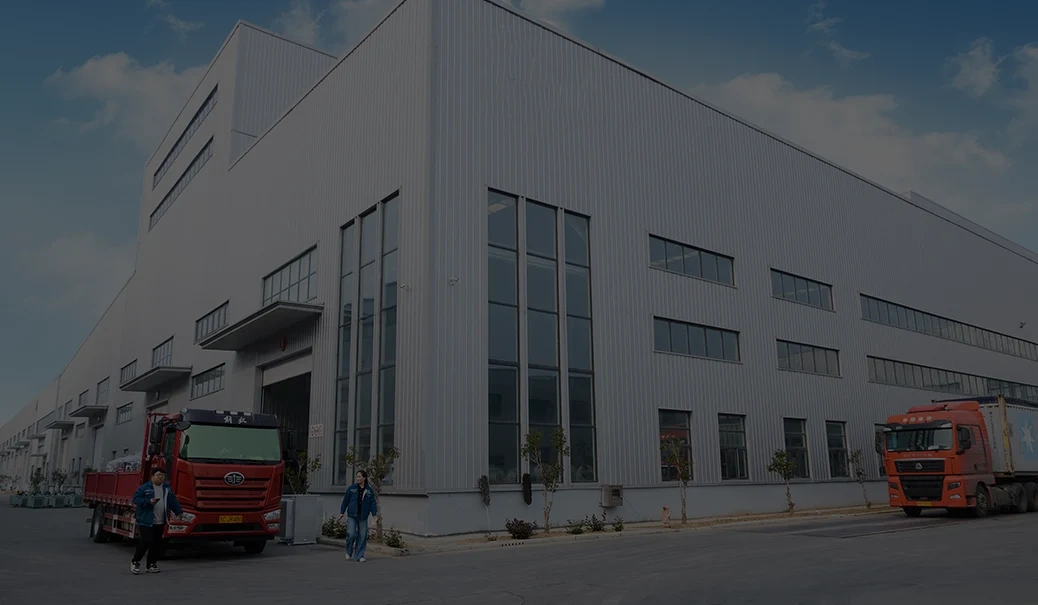
The factory that Luoyang Innovation Building Material Co., Ltd. is in is 50,000 m² big, and they can make 50,000 tons of steel buildings every year. They are approved by ISO 9001, CE, COC, and PVOC and have smart manufacturing tools. As a reputable Steel Structure Stage manufacturer, we offer standard design packages, custom manufacturing, installation drawings, and full project support, from making the budget to delivering the stage to the site. Send an email to eric@cxsteelstructure.com or visit innovationsteelstructure.com to get a price.

1. American Institute of Steel Construction (AISC). Steel Construction Manual, 16th Edition. AISC, 2023.
2. International Organization for Standardization. ISO 1461: Hot-Dip Galvanized Coatings on Fabricated Iron and Steel Articles. ISO, 2022.
3. American Welding Society. AWS D1.1/D1.1M: Structural Welding Code — Steel. AWS, 2020.
4. European Committee for Standardization. EN 1090-2: Execution of Steel Structures and Aluminium Structures. CEN, 2018.
5. ASTM International. ASTM A36/A36M: Standard Specification for Carbon Structural Steel. ASTM, 2019.
6. Event Safety Alliance. The Event Safety Guide: A Guide to Health, Safety and Welfare at Music and Similar Events, 3rd Edition. ESA, 2021.
March 18, 2024
Their steel structures are exceptionally strong and precisely manufactured. The entire production process was highly professional.
September 7, 2024
We were impressed by their advanced steel structure production line and excellent fabrication quality. The final products met our project requirements perfectly.
February 14, 2025
From structural design and detailing to fabrication and delivery, their technical team provided professional support throughout the project.
July 22, 2026
The steel structure components showed excellent precision, durability, and workmanship. Their reliable service gave us great confidence in the project.