March 18, 2024
Their steel structures are exceptionally strong and precisely manufactured. The entire production process was highly professional.
Aug 4, 2026
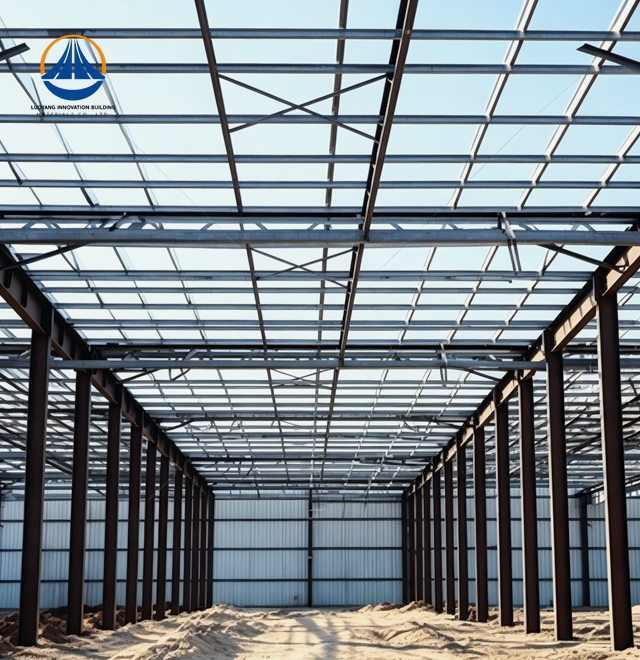
When we talk about building modern facilities—whether it's a pharmaceutical cleanroom, a food processing plant, or an industrial warehouse—the structural integrity begins with selecting the right steel components. A Steel Structure Beam serves as the primary load-bearing element that transfers weight from roofs, floors, and equipment to the foundation, making it the architectural backbone of safe, durable construction. At its core, this structural member is engineered to resist bending and distribute loads efficiently, enabling architects and engineers to design expansive, column-free spaces that adapt to diverse industrial needs while meeting stringent safety standards and accelerating project timelines.
Steel Structure Beams are structural parts made of high-strength carbon or alloy steel that can be flat or curved. Unlike regular concrete elements, these parts are already made to exact measurements before they arrive at the construction site and are ready to be put together quickly. We've seen how this prefabrication method changes project schedules by cutting down on construction times by 30% to 50% compared to cast-in-place options. This saves time, which directly addresses the concerns of procurement managers about project schedule control. It also lets facility owners start using the building earlier, which speeds up the return on investment.
There are different structural benefits to using different cross-sectional shapes. Because they have wider flanges and thicker webs, H-beams are perfect for heavy-load situations like those that happen in pharmaceutical factories where heavy equipment is common. The parallel flange design evenly spreads stress, which is very important for supporting HVAC systems in cleanrooms and high-tech production equipment.
I-beams have curved ends that make them strong for vertical loads and good for medium-span uses. We often suggest these for food processing facilities that need smooth surfaces that aren't too heavy because of hygiene rules. Because the profile is thinner, it doesn't need as much of a foundation, which lowers the overall cost of building. This is an important factor for buying managers who are looking at the total project budget.
As extra frames, C-channels and square tubes are used. Torsional resistance is very high in square tubes, especially when they are used for lightweight purposes. Our factory makes square tube frames and galvanized C/Z-type purlins that work together to make complete systems for storage buildings and maintenance shops where resistance to corrosion is very important.
Choosing the right material grade has a direct effect on how long and how well the structure works. The mechanical properties and chemical make-up of steel are shown by grade names like ASTM A36 (yield strength 235 MPa), A992 (345 MPa), and international equivalents like S355JR. Higher grades can hold longer spans and heavy loads, but they need to be welded with more care.
During production, we keep up with ISO9001 quality control systems to make sure that every beam meets the required limits for size and material. Every shipment comes with a Mill Test Certificate that lists the chemical analysis, tensile strength, and elongation properties. This traceability meets the needs of technical engineers who need to make sure that materials meet certain standards when they are writing project documents and bids.
Standardized ranges of dimensions are used to size beams in a way that balances the use of materials efficiently with the performance of the structure. Steel Structure Beam products, such as H-beams, usually have depths between 100 mm and 900 mm, and their flange lengths change in the same way. The bending resistance is based on the section modulus, which is a result of these measurements. Based on span length, load magnitude, and deflection limits set by international codes, our technical team helps clients figure out the best sizes.
We designed lightweight H-beam systems to work in cleanrooms, where limiting the amount of dust created during installation is very important. These profiles keep the building's structural integrity while lowering its overall weight. This means that the building doesn't need as much of a base, which saves money for industrial park owners.
Load capacity is based on three main factors: span length, load type, and material grade. The bending stress changes exponentially with span length; doubling the span quadruples the bending moment when the load is constant. Because of this connection, procurement teams need to give correct building dimensions early on in the planning process so that changes made later don't cost a lot of money.
There are different types of loads, such as dead loads (weights that stay on tools and structures over time), live loads (loads that change during operations), and natural factors like wind and earthquake forces. We look at dynamic load responses to make sure that structural stiffness meets strict deflection criteria, which usually mean limiting deflection to 1/500 of the span for semiconductor manufacturers who use sensitive precision equipment.
The way we design follows the rules set by AISC and Eurocodes, which include safety factors and connection details. We pay extra attention to protecting against rust in places like food processing plants where changes in temperature and moisture speed up the breakdown of materials. Hot-dip galvanized coats protect against corrosion and make things last longer than 50 years, even in C4 corrosivity categories.
Another important thing to think about is the design of the connections. Bolted connections make assembly easier and allow for future changes, which is something that project managers who are in charge of phased building really like. For better rigidity, welded joints need certified welders and non-destructive testing protocols that we use as part of our quality control.
Because steel is stronger than most other materials, it completely changes how buildings can be designed. Steel Structure Beams weigh 30% to 40% less than reinforced concrete structures that hold the same amount of weight. This feature makes it possible for pharmaceutical manufacturing to take place in big, column-free spaces with flexible floor plans that can adapt to changing production methods without any structural problems.
Prefabricated steel parts, including Steel Structure Beam components, come ready to be put together, so there are no waiting times for concrete to cure, which slows down building. Our standard factory production makes sure that the sizes are accurate to within millimeters, which stops the fit-up problems that happen with field-welded systems. Project managers always say that shorter timelines cut down on finance costs and allow them to start making money earlier, which are benefits that often outweigh the differences in the prices of materials at first.
The dry construction method causes less damage to the site, which is helpful when building next to existing facilities. Food companies that want to increase their production capacity like this method because it lowers the risk of contamination and keeps operations running while building is going on.
Steel Structure Beams can be recycled over and over again, which is in line with ESG reporting standards and business sustainability goals. After being torn down, beams keep their material value and can be used again without losing any of their quality. This feature of the circular economy is very different from concrete, which makes a lot of trash that needs to be thrown away.
Using less energy during production has become much easier with new electric arc furnace technology, and specifying recycled steel content lowers embodied carbon even more. We offer Environmental Product Declarations to help with LEED certification, meeting the paperwork needs of buying managers who care about the environment.
In order to choose a supplier, you have to look at more than just price. Production capacity shows if a company can meet project dates and volume requirements. Our 50,000-ton annual capacity through intelligent processing lines supports big industrial projects without supply interruptions that push back building schedules.
Having certifications like ISO9001, CE, COC, and PVOC shows that you care about quality systems and meeting international market standards. Instead of relying only on what the supplier says, we suggest checking these credentials directly. Audits by a third party give you more peace of mind, especially when choosing products for regulated businesses like pharmaceuticals.
Many uses are good for standard catalog sizes, but industrial facilities often need solutions that are made just for them. We make profiles, connection details, and protective coatings that are exactly right for the environment. When you order a lot of customized parts at once, you can save money on shipping costs and make sure that the materials used are the same throughout the project, which is important for making sure that the dimensions match up when you put them together.
Clear sharing of project goals is the first step in managing lead time. We keep common profiles and raw materials in stock, which lets us make things quickly. Delivery times usually range from four to eight weeks, but they depend on how complicated the customization is and how many orders there are. By planning ahead, procurement teams can time the arrivals of materials to match the stages of building, which cuts down on the amount of space needed on-site and the cost of moving materials.
Coordinating beam lengths (which can be more than 12 meters) with shipping methods and site access is part of transportation logistics. We offer packing designs that keep finish coats safe during shipping and make unloading go quickly. Material approvals, dimensional inspection reports, and coating thickness readings are all part of documentation packages. These give receiving teams the proof they need to make sure the order is correct before installation starts.
As part of quality inspection procedures, Steel Structure Beam surface flaws should be looked at visually, member identification marks should be checked, and measurements should be compared to approved plans on the spot. We tell our clients to quickly check their packages when they arrive to find any damage caused by shipping while the carrier's responsibility is still clear.
Because it is strong, can be designed in a variety of ways, and can be put together quickly, Steel Structure Beam components are essential for modern industrial buildings. Project teams like how factory-controlled production makes sure that the quality is always the same and meets the high standards needed in cleanrooms, where precise measurements have a direct effect on how well the air filtration system works.
Another great benefit is that it is resistant to earthquakes. Because Steel Structure Beams are flexible, they can absorb energy during earthquakes and keep buildings from falling down in a catastrophic way. In pharmaceutical facilities, where keeping the business running and making sure workers are safe are the most important factors in choosing where to put the facility, this property is especially useful.
Coating technology keeps getting better than just galvanization. High-performance epoxy systems and intumescent fire protection make things last longer in science labs, which often have harsh chemical conditions. We keep an eye on these changes so that we can suggest the right specifications that strike a balance between the original cost and the upkeep needs over the maintenance cycle.
Combining Steel Structure Beams with precast concrete floors in hybrid structure systems makes the best use of materials by using steel's tensile strength and concrete's compressive strength. These hybrid designs cut down on the depth of the structure, making the building taller within the limits of its zone while still meeting load requirements.
The use of Industry 4.0 technologies is changing how we design, make, and deliver structural parts. Building Information Modeling (BIM) lets you find clashes before they happen, which cuts down on expensive changes that have to be made in the field. We offer 3D models that are compatible with BIM and can be used with our clients' design coordination tools. This makes it easier for architectural designers and technical engineers to get approvals.
Digital supply chain visibility lets purchasing managers see the status of an order at all times, from when the raw materials are received to when the shipment is sent. This openness helps just-in-time delivery strategies, which keep schedules stable while releasing working capital that is stuck in inventory.
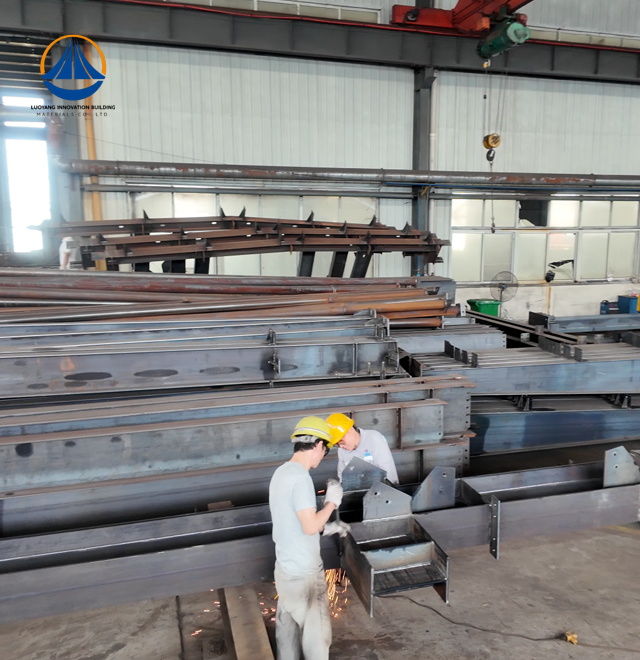
Advanced manufacturing tools, like CNC drills and automatic welding systems, make sure that the dimensions are correct and the quality of the welds is always the same. The parts that are made don't need many changes when they get to the job site, which speeds up the erection schedule and lowers labor costs. These benefits directly address the concerns of construction contractors about making money.
To choose the right structural beams, including the appropriate Steel Structure Beam solutions, you have to think about their technical performance, their cost, and the time constraints of the project. We've looked at how different beam types, grades, and sizes are used in different industrial settings, ranging from pharmaceutical cleanrooms that need accuracy and cleanliness to warehouses that want long spans at a low cost. Because of its high strength-to-weight ratio, ease of construction, and long-term durability, steel is the best material for most commercial building projects. When procurement teams know the criteria for choosing suppliers based on their skills, the options for customization, and the quality of the work, they can make smart choices that will ensure the success of the project while effectively controlling budget and schedule risks.
The span length, expected loads, and bending limits determine the size of the beam. We suggest that you hire structural engineers early on in the planning process so that they can do load calculations that follow the building rules. Our technical team gives you an initial size estimate based on the type of facility you have—pharmaceutical, food processing, or electronics manufacturing—as each has its own load profiles and performance standards.
Mill Test Certificates show what chemicals are used and how strong the materials are for each production heat. ISO9001 certification proves that quality management systems are in place, while product-specific certifications like CE show that the product meets regional standards. As part of our services, we offer full documentation packages that meet both engineering requirements and regulatory audit requirements.
After an order is confirmed, standard profiles are sent out four weeks later. Custom designs that need special manufacturing usually take six to eight weeks, but this depends on how complicated they are and what kind of finish they need. We keep an inventory of raw materials that lets us speed up production when project deadlines call for it, even though planning ahead always saves money.
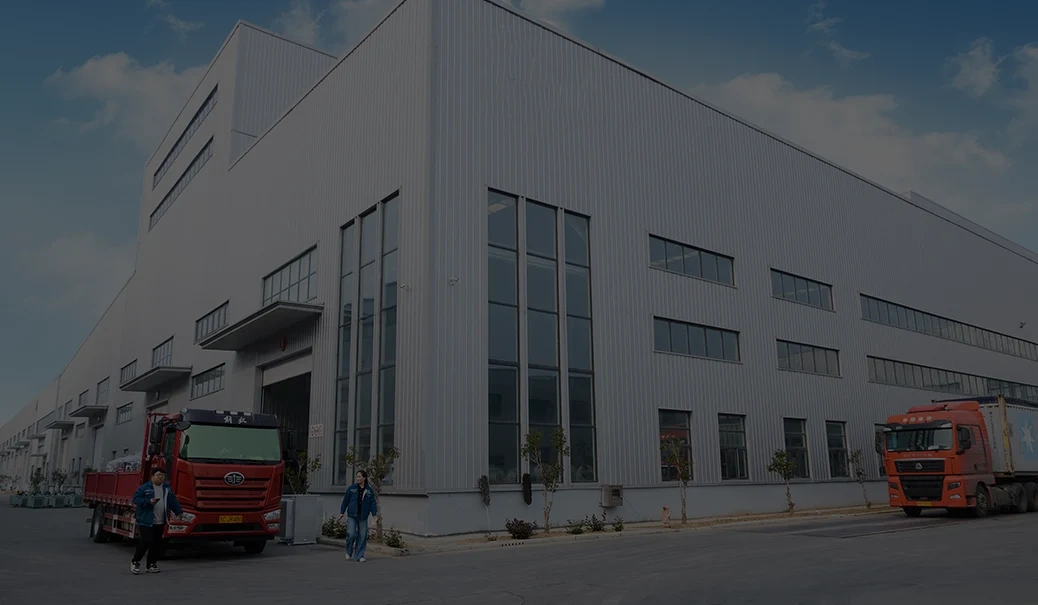
Getting structural parts from an experienced Steel Structure Beam maker will make sure that the materials you need for your project are designed to work well and arrive on time. Our 50,000-square-meter production facility has smart processing equipment and strict quality control. It makes more than 50,000 tons of materials every year to help with industrial construction projects in the food processing, electronics, pharmaceutical, and general industrial sectors. We provide a wide range of services to meet all of the buying needs of project managers, from the initial design advice to thorough engineering drawings, planning help, and logistics coordination. Our technical team is ready to come up with custom specs for your project, whether it's a GMP-certified pharmaceutical facility that needs a precise cleanroom build or an industrial warehouse that needs cost-effective long-span solutions. Get in touch with eric@cxsteelstructure.com to talk about your needs and get a detailed quote backed by our ISO9001, CE, COC, and PVOC certifications.
1. American Institute of Steel Construction. (2017). Steel Construction Manual, 15th Edition. Chicago: AISC Publications.
2. Salmon, Charles G., Johnson, John E., and Malhas, Faris A. (2009). Steel Structures: Design and Behavior, 5th Edition. Upper Saddle River: Pearson Education.
3. Eurocode 3: Design of Steel Structures - Part 1-1: General Rules and Rules for Buildings. (2005). Brussels: European Committee for Standardization.
4. Geschwindner, Louis F. (2011). Unified Design of Steel Structures, 2nd Edition. Hoboken: John Wiley & Sons.
5. Owens, Graham and Cheal, Brian. (1989). Structural Steelwork Connections. Oxford: Butterworth-Heinemann.
6. Galambos, Theodore V. and Surovek, Andrea E. (2008). Structural Stability of Steel: Concepts and Applications for Structural Engineers. Hoboken: John Wiley & Sons.
March 18, 2024
Their steel structures are exceptionally strong and precisely manufactured. The entire production process was highly professional.
September 7, 2024
We were impressed by their advanced steel structure production line and excellent fabrication quality. The final products met our project requirements perfectly.
February 14, 2025
From structural design and detailing to fabrication and delivery, their technical team provided professional support throughout the project.
July 22, 2026
The steel structure components showed excellent precision, durability, and workmanship. Their reliable service gave us great confidence in the project.