March 18, 2024
Their steel structures are exceptionally strong and precisely manufactured. The entire production process was highly professional.
Aug 13, 2026
When evaluating Steel Structure Bracing systems, buyers must prioritize several interconnected factors to ensure structural integrity and long-term value. The selection process demands careful attention to load-bearing capacity, material grades such as Q235 or Q355 steel, compliance with international standards like AISC 360 and EN 1993-1-1, and the supplier's fabrication precision. Beyond technical specifications, procurement teams should assess customization capabilities, delivery timelines averaging 90 days for large projects, and the availability of comprehensive engineering support. Understanding these elements helps you make informed decisions that balance performance requirements with budget constraints while ensuring seismic resilience and operational safety.
Steel Structure Bracing devices are the most important part of modern buildings for resisting lateral forces. These parts keep the main building parts—columns and beams—stable against wind loads, earthquakes, and other horizontal forces that could damage the structure. Without the right bracing, buildings can move side to side too much, which can damage the outside, mess up equipment, and be very dangerous.
Depending on the needs of the structure, different support designs are used. With diagonal bracing, a single angled section runs from the column to the beam. This makes a simple load path that works well for buildings with low to medium heights. Cross bracing, also known as X-bracing, uses two diagonals that cross each other to make an X shape. This pattern provides redundancy; if one member breaks under compression, the tension member keeps bearing the load. K-bracing connects to columns at mid-height, which shortens members and makes them look better. However, it's usually not used in high-seismic areas because it can damage columns when the braces buckle.
Both efficiency and cost are affected by the choice between hollow sections and solid steel profiles. Because they have a large radius of gyration, hollow structural sections are very resistant to buckling. This makes them useful for longer spans. Solid sections make it easy to connect things and are still a good value for shorter members where buckling isn't necessary.
Steel Structure Bracing systems have many perks that help with common building problems. One of the best things about steel is that it is resistant to earthquakes. Seismic resilience stands out as a primary advantage—this is because steel is flexible, which lets it release energy slowly during quakes without breaking. When projects use properly designed bracing, they can get seismic grade 6 protection, which is very important for buildings that store sensitive equipment or dangerous materials.
Several things lead to cost efficiency. Steel's high strength-to-weight ratio lowers base loads by 30–40% compared to concrete options. This saves a lot of money on costs like digging and pouring concrete. When prefabricated support parts are delivered, they are ready to be bolted on. This cuts down on curing time and speeds up plans by 30 to 50 percent. This quick rollout means that business projects can start making money sooner.
Architects and builders can work with complicated plans when the design flexibility is enabled. Column-free spaces (63 meters or more) make column-free spaces necessary for manufacturing, storage, and airplane hangars. Being able to move or change the bracing during building renovations makes the building more flexible than rigid concrete shear walls.
There are clear differences between Steel Structure Bracing and reinforced concrete. Because they have to be so thick, Concrete shear walls need a lot of forms, take a long time to cure, and take up more floor space. While concrete is very fire-resistant on its own, steel support with the right fireproofing coats can get Class II fire resistance ratings. Steel Structure Bracing is always better for projects that need to be quick, flexible, and strong against earthquakes.
To choose the right Steel Structure Bracing, you need to know the basic engineering rules that govern performance. How lateral forces move through a building is controlled by its load transfer systems. Bracing members must effectively transfer forces from where they are used to the base without putting too much stress on the links.
The slenderness ratio, which is the effective length divided by the radius of gyration (L/r), has a big effect on the bending capacity. Lower slenderness ratios raise compression strength, which keeps heavy loads from breaking the material too soon. Advanced analysis software is used by structural engineers to model these factors and make sure that each part keeps the right amount of stiffness while making the best use of materials.
Connection design needs the same amount of care. Gusset plates, which are steel plates that connect bracing members to beams and columns, need to make sure that forces are spread out evenly. When gusset plates are too small, they cause stress concentrations that cause fatigue cracks. On the other hand, when plates are too big, they add extra weight and cost. To keep the load line intact, bolts are arranged in certain shapes. Slotted holes allow for thermal expansion without creating extra stresses.
The Material selection has a direct effect on how well the show goes. ASTM A36 steel provides a minimum yield strength of approximately 250 MPa, while Q235 steel is commonly used in Chinese structural steel applications. However, Q345B or S355JR types with a yield strength of 345 to 355 MPa can handle higher needs in areas prone to earthquakes or heavy industrial settings. Different grades of steel all have the same modulus of elasticity, which is about 200 GPa. However, stronger steel can have smaller cross-sections, which lowers its weight and makes it easier for buildings to fit together.
Following the rules keeps projects from being sued and makes sure people inside are safe. AISC 360 gives detailed advice on steel construction in North America, including how to design members, how to connect them, and how to make sure the quality of the work. EN 1993-1-1 (Eurocode 3) sets the same standards for markets across Europe, with extra regional add-ons that cover specific situations in each area.
Corrosion prevention systems are rated from C1 (very low corrosivity) to C5 (very high corrosivity) by ISO 12944. To resist salt spray for 50 years, industrial buildings near the coast need C5-M coatings, which are made up of multiple layers of zinc-rich primer, epoxy intermediate coats, and polyurethane topcoats. For projects in mild interior areas, C3 protection with simpler galvanized treatments may be enough.
Compliance is proven by certification documentation. Mill Test Reports (MTRs) check the chemical make-up and functional features of steel batches. Getting ISO 9001 approval shows that a company is dedicated to quality management systems. The CE mark shows that the product meets European standards for health, safety, and the environment. When buying from other countries, buyers should ask for COC and PVOC paperwork to meet the needs of customs and local building officials.
During checks, being able to track down materials is very important. Each piece of steel should have a label that connects it to a particular MTR. This way, inspectors can check the grade, heat number, and test results. This record of what was done is very helpful if questions come up during building or during future inspections of the structure.
Knowing the pros and cons of different horizontal force-resisting methods helps buyers find the right Steel Structure Bracing for their projects. Each method has its own benefits that depend on the height of the building, the type of occupancy, and the exposure to the environment.
Strong reinforced concrete shear walls are very good at resisting side forces and are naturally fire-resistant, so they don't need any extra protection. These big parts work well in apartment buildings with a lot of floors, and their weight also helps keep noise from traveling between units. Formwork erection, rebar placement, concrete placement, and curing all take a lot longer than planned, which makes installation more difficult. Wall weight makes foundation loads go up a lot, which usually means deeper piles or bigger footings that cost more.
These problems can be fixed with Steel Structure Bracing systems, which are easy to install and have less dead load. Because the link holes in prefabricated members are already perfectly drilled, teams can finish putting them together in days instead of weeks. The 30–50% shorter building cycle that was talked about earlier comes from not having to wait for concrete to cure or weather delays. When thinking about future flexibility, lifecycle costs favor steel. Taking down and rebuilding concrete walls to move or remove them is more expensive, but unbolting steel supports makes changes easy.
Cross bracing is used a lot in industry because it is efficient and can be used in multiple ways. Warehouse buildings that are 36 meters long can stay stable even if one diagonal gets damaged in one spot thanks to X-shaped members. The crisscross design spreads the loads out evenly, which keeps stress levels low.
Tension cable systems are a beautiful way to add architectural style to atriums and business lobbies that need to look light. Cables can only carry tension forces, so they need turnbuckles to apply pressure so they don't sag when they're under load. Even tho wires are cheap for light loads, their flexibility means they can't be used in places where vibrations could affect fine manufacturing.
When full X-patterns can't be used because of the way the building is designed, Diagonal bracing works well. Single diagonals offer enough resistance at a lower cost, but they need to be carefully studied to make sure they can handle the required compression. In this case, hollow structural parts work better than solid curves or channels of the same weight because they are less likely to buckle.
Buckling-Restrained Braces (BRBs) are new ways to deal with applications that are likely to be affected by earthquakes. These special parts have a steel core inside a concrete-filled tube that keeps it from breaking. This lets the core bend in both tension and compression. As structural fuses, BRBs soak up earthquake energy and protect the main framing. Even tho they are more expensive than regular bracing, they are the most flexible option for pharmaceutical and semiconductor plants that need to keep equipment damage to a minimum.
Several things need to be taken into account in order to match these systems to unique needs. Places that are prone to earthquakes need designs that are flexible and have a proven ability to release energy. Strong security measures are needed in coastal areas that are prone to corrosion. Heavy industrial plants that use cranes need to make sure that bracing is placed so that it doesn't get in the way of the lifting paths. Hiring experienced structural engineers early on in the planning process makes sure that the best system is chosen.
Choosing the right supplier has a big effect on the success of a Steel Structure Bracing project. The right manufacturing partner provides high-quality materials, sticks to deadlines, and offers technical support during the whole building process.
Material certifications are the basis of quality security. Reliable providers give MTRs for each batch that prove the steel grade, chemical makeup, and tensile qualities. Non-Destructive Testing (NDT) using Ultrasonic Testing (UT) or Magnetic Particle Inspection (MPI) reports check the quality of welds at important links. Measurements of Dry Film Thickness (DFT) show how the layer was applied and make sure that the rust protection meets the requirements.
Fabrication precision determines how smoothly components fit together during installation. Computer Numerical Control (CNC) machines make parts that are very accurate in their sizes—within 2 mm of straightness over 12 meters and within ±1 mm of bolt hole alignment. These features keep field changes to a minimum, which keeps plans on track and protects structural performance. When you tour a possible supplier's building, you can see how well they control quality and how advanced their equipment is.
For jobs with specific needs, customization capabilities are important. For pharmaceutical cleanrooms, specific connection features are needed so that ledges don't collect dust. Food processing plants need bracing made of stainless steel that can stand up to chemicals used for cleaning. If a supplier has their own engineering team, they can change standard designs to fit these needs and provide structure calculations and shop plans that speed up the approval process.
Steel pricing fluctuates with global commodity markets. They are usually given per metric ton. At the moment, the prices of Q235 steel are reasonable, but Q355 steel gets higher prices because it is stronger. People who want to buy something should get detailed quotes that break down the costs of materials, labor, finishing, and shipping. This openness makes it possible to compare providers accurately.
Minimum order quantities affect unit prices significantly. When you buy more from a supplier, the setup costs are spread out over a bigger number of units. Projects that need 200 tons of bracing get better prices per ton than projects that only need 20 tons. You can get volume savings by working with other close projects to combine orders.
Lead times depend on how complicated the job is and how much time the seller has available. Standard brace setups made from stock materials are sent out 30 to 45 days after they are made. Custom designs that need special steel or complicated fabrication can make lead times 90 days or longer. Setting clear delivery dates and making payments at regular intervals protects both parties. Buyers avoid delays in building caused by lack of materials, and sellers keep cash flow for buying materials and making things.
Payment terms are a good way to balance risk. Common structures include a 30% deposit when the order is confirmed, 60% when the fabrication is finished with photographic proof, and 10% that is held back and released after an inspection of the installation to make sure it was done correctly. Letters of Credit protect foreign deals, but they cost more because they include bank fees.
Track record verification prevents costly mistakes. Ask for examples of projects with similar size and difficulty, and then get in touch with those clients to talk about their experiences. Were deliveries on time? Did the parts fit together correctly? How quick was technical support to help when problems came up? Patterns that can be used to predict future success can be seen in these talks.
A supplier's Production capacity determines their ability to scale. A building that can handle 50,000 tons per year can work on several big projects at once without affecting plans. Smaller businesses may have lower prices, but they could cause delays if they take on too many orders at once. Figuring out how long it will take to deliver something based on a supplier's current order book and delivery promises is helpful.
Quality management systems that are approved to ISO 9001 show that a company is dedicated to using consistent methods. For these certifications, there must be written procedures for getting materials, making things, inspecting them, and taking corrective action. Regular checks by a third party make sure that ongoing compliance is being met. This gives you peace of mind that quality standards will stay the same over time.
Maximizing the efficiency of a Steel Structure Bracing system takes more than just buying it. When you install something correctly and do regular maintenance, you can make it last longer and keep it structurally stable.
Trained workers make a huge difference in the quality of a job. Structural steel erectors, like those who have earned the AISC's Advanced Certification, are good at rigging, aligning, and connecting things. For full involvement, these skills make sure that members are installed straight and level, and that the bolt holes line up correctly.
Connection torque verification stops it from coming loose under dynamic loads. Using a turn-of-nut method or a calibrated torque wrench to tighten bolts to a certain preload creates friction that keeps them from slipping. "Snug-tight" high-strength bolts get partial turns that are calculated by the length and diameter of the bolt. If you skip this step, the links could come loose, which could damage the load routes and make the situation dangerous.
To make welded connections, you need qualified welders and strict inspection rules. To make sure proper fusion and penetration, welding methods list the type of electrode, the amperage, the trip speed, and the interpass temperature. Visual inspection finds flaws that are easy to see, like undercutting or too much spatter. Radiographic or ultrasonic testing can find flaws below the surface that can't be seen with the naked eye. Accepting welds that aren't up to par leads to failure early on when things get tough.
Annual visual inspections find new problems before they get worse. When inspectors look at gusset plate joints, they look for signs of breaking, especially at the weld toes where stress builds up. People check bolt assemblies for corrosion or loosening that makes the clamping force weaker. Paint or coating systems break down through blistering, peeling, or rust bloom. If you fix small areas of damage right away, you can stop broad rusting that would require a full replacement.
Corrosive environments speed up wear and tear, so inspections need to be done more often. Coastal buildings that get hit by salt spray should be inspected every three months, paying special attention to cracks and joints where water can gather. Cleaning up built-up dirt and applying touch-up coatings can extend the time between services in a cost-effective way.
When buildings are loaded and unloaded over and over again, Fatigue becomes a problem. Heavy high cranes in factories cause millions of stress reversals over many years. Fatigue cracks can be found before they get too big by using dye penetrant or magnetic particle methods to find them. By adding retrofitting with punched holes at the crack tips, the growth is stopped, and service can continue until the planned replacement during planned shutdowns.
New technologies improve the environmental effects and efficiency of braces. High-performance steels achieving a yield strength of 450 MPa make it possible for sections to be lighter while still having the same load capacity. This cuts down on material use and carbon emissions. In the right conditions, Weathering steel types form a protective patina that eliminates the need for coating upkeep. However, they need to be carefully detailed to avoid runoff stains.
Standardizing parts across multiple bays with Modular bracing kits makes inventory management easier and allows for quick growth. The members and connection hardware in these systems can be switched out, which cuts down on the time it takes to make changes or additions. Off-site prefabrication cuts down on construction waste, which is in line with green building standards like LEED that credit using resources efficiently.
When steel is recycled, almost all of the steel is recovered. When a building's useful life is over, the bracing members are simply taken apart, so they don't end up in the disposal trash stream. Steel mills reuse these parts to make new structural pieces without lowering the quality, which is a real example of a circular economy. This ability to be recycled is important for businesses that want to meet ESG goals and carbon neutrality targets.
Digital twin technology lets maintenance plans be planned ahead of time. In real time, sensors built into connections check for strain, temperature, and vibration. This information is sent to analytics platforms that look for oddities that could mean problems are starting to form. This proactive method plans interventions for handy repair windows instead of waiting for failures to happen out of the blue and stop operations.
When picking the right Steel Structure Bracing system, you need to balance technical performance, procurement logistics, and long-term value considerations. Buyers must compare different bracing designs to specific structural needs, making sure there is enough horizontal force resistance while also meeting architectural needs. International standards, such as AISC 360 and EN 1993-1-1, protect projects legally and structurally. Picking a supplier based on their ability to fabricate, quality standards, and dependability in delivery has a direct effect on the success of the building project. When systems are installed and maintained correctly, they stay in good shape for decades. Luoyang Innovation Building Material Co., LTD mixes these things by providing manufacturing that is ISO 9001-approved, flexible bracing options made from Q235/Q355 steel, and full engineering help from the planning stage through installation.
Several variables influence Steel Structure Bracing costs. The choice of steel grade affects the cost of the material. For example, Q355 steel costs about 15 to 20 percent more than Q235 steel because it has better mechanical properties. For tight standards or complicated connection details, fabrication complexity adds to the cost of work. Surface treatment needs range from simple galvanizing, which isn't too expensive, to multi-layer epoxy systems for tough conditions, which cost a lot more per ton. Delivery costs are affected by how far the package has to be sent, especially for foreign packages that need to be packed in containers. The number of orders affects unit economics by changing how setup costs are spread out. Standardized configurations save time for engineers that isn't needed for custom designs. When added together, these factors usually lead to total project costs that range from reasonable prices to high prices, based on the specifics.
Steel Structure Bracing enhances earthquake resistance through multiple mechanisms. Ductility allows controlled yielding that dissipates seismic energy without brittle fracture. When connections are properly made, they allow for inelastic deformation, which turns kinetic energy into heat during repeated loading. This energy absorption lowers the forces that reach the main framing, which protects the beams and supports. When it comes to earthquake codes, braced frames get higher response adjustment coefficients (R-factors), which means they can have lower design forces than moment frames. More often than not, buildings with diagonal or X-bracing do better in real earthquakes, sustaining less damage and recovering more quickly after the event. To get earthquake grade 6 protection, you need to pay close attention to the flexibility of the connections and the slenderness of the members to make sure that the yielding mechanisms are balanced.
Reputable manufacturers accommodate project-specific requirements through customization services. Flush-mounted links help keep pharmaceutical cleanrooms clean by reducing the buildup of particles. Food processing plants use stainless steel or coatings that are made to resist cleaning chemicals. Electronics factories get anti-static treatments that keep sensitive parts from getting damaged by electrostatic discharge. Optimized member sizes are used in large-span buildings to balance the economy of the structure with the limitations of the architecture. Suppliers with their own engineering teams can make structure estimates, connection details, and shop plans that are specific to your needs. This ability to be customized is very useful for complicated industrial projects where standard solutions don't meet performance standards or government rules.
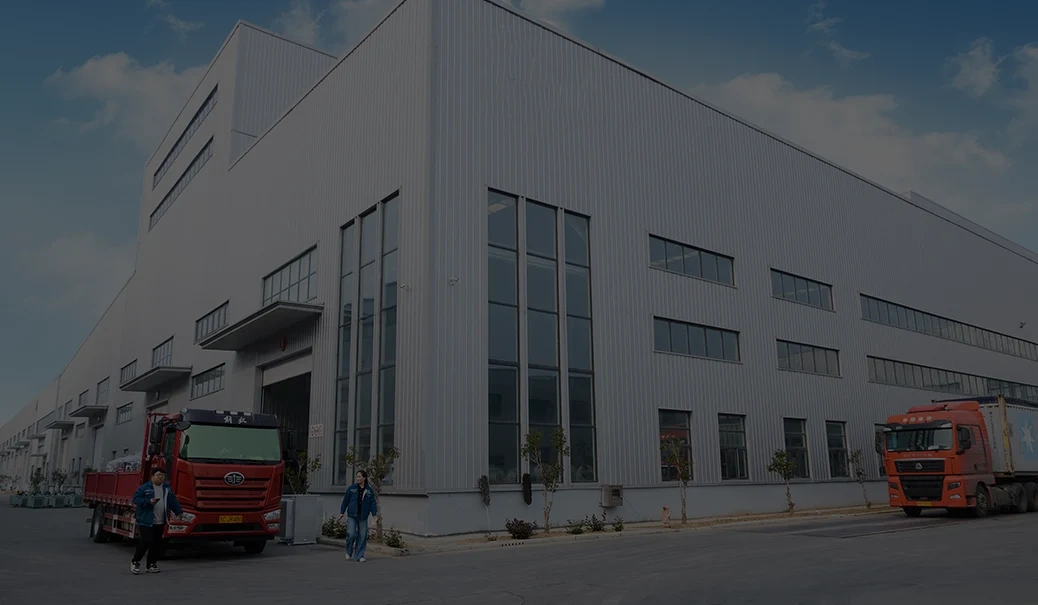
Luoyang Innovation Building Material Co., LTD stands ready as your trusted Steel Structure Bracing provider. They offer engineered solutions and have a production center that is 50,000 square meters and can hold 50,000 tons of steel per year. Our smart processing lines make precision-cut Q235/Q355 steel parts that meet the standards for ASTM, ISO 9001, and CE certification. We are experts at making large-span portal frames with spans up to 63 meters. Our full service includes structural design, manufacturing, surface treatment, and fitting advice. Our 90-day delivery times, seismic grade 6 safety, and Class II fire resistance scores are all good for projects. Our expert team helps procurement managers, engineers, and contractors all over North America by making unique bracing arrangements for cleanrooms for pharmaceuticals, food processing plants, semiconductor factories, and industrial warehouses. Contact eric@cxsteelstructure.com right away to talk about your project needs and get detailed quotes with fair Steel Structure Bracing for sale prices. You can look at our collection at cxjzcl.aixdb.cn and see why some of the biggest companies in the world trust us to work on mission-critical structural systems.
1. American Institute of Steel Construction. (2016). Specification for Structural Steel Buildings (AISC 360-16). Chicago: AISC.
2. European Committee for Standardization. (2005). Eurocode 3: Design of Steel Structures – Part 1-1: General Rules and Rules for Buildings (EN 1993-1-1). Brussels: CEN.
3. International Organization for Standardization. (2017). Paints and Varnishes – Corrosion Protection of Steel Structures by Protective Paint Systems (ISO 12944). Geneva: ISO.
4. Bruneau, M., Uang, C.M., & Sabelli, R. (2011). Ductile Design of Steel Structures. New York: McGraw-Hill Professional.
5. Chen, W.F., & Lui, E.M. (2005). Handbook of Structural Engineering (2nd Edition). Boca Raton: CRC Press.
6. Dowrick, D.J. (2009). Earthquake Resistant Design and Risk Reduction. Chichester: John Wiley & Sons.
March 18, 2024
Their steel structures are exceptionally strong and precisely manufactured. The entire production process was highly professional.
September 7, 2024
We were impressed by their advanced steel structure production line and excellent fabrication quality. The final products met our project requirements perfectly.
February 14, 2025
From structural design and detailing to fabrication and delivery, their technical team provided professional support throughout the project.
July 22, 2026
The steel structure components showed excellent precision, durability, and workmanship. Their reliable service gave us great confidence in the project.