March 18, 2024
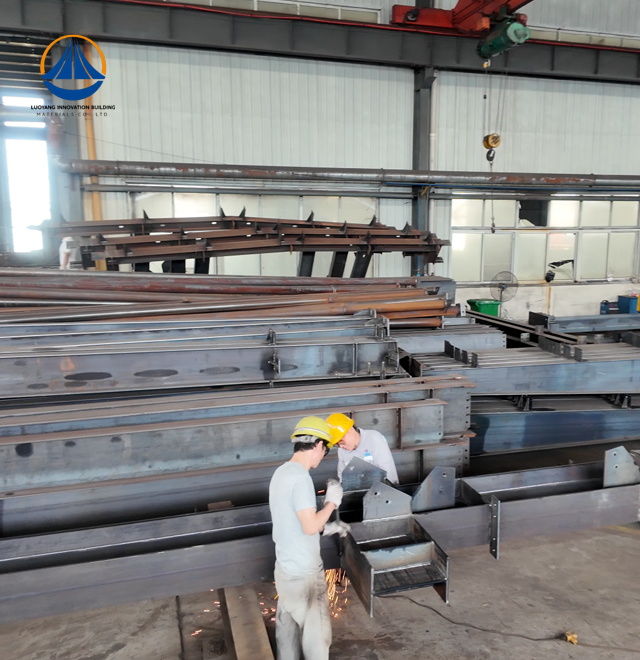
Their steel structures are exceptionally strong and precisely manufactured. The entire production process was highly professional.
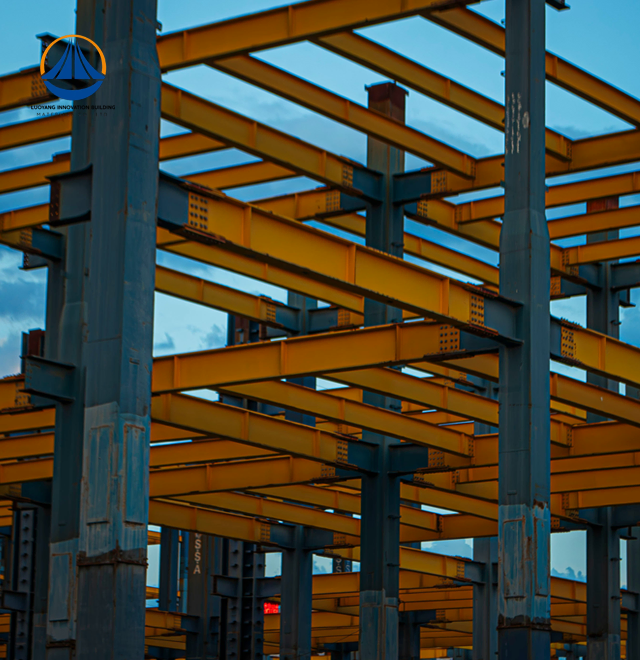
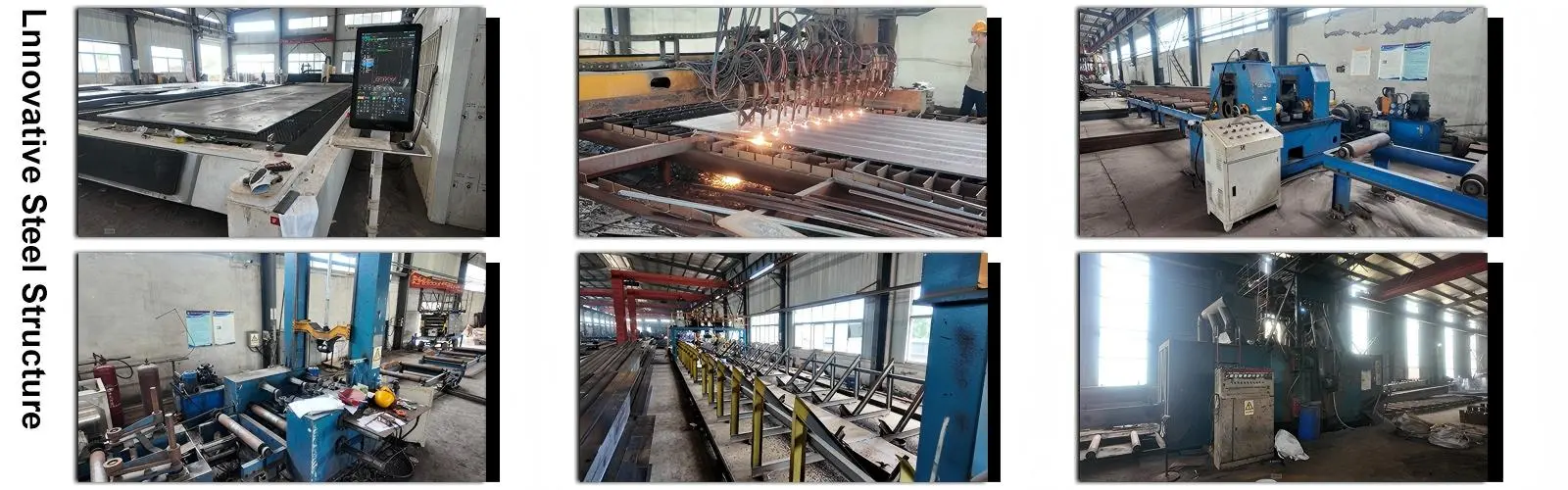
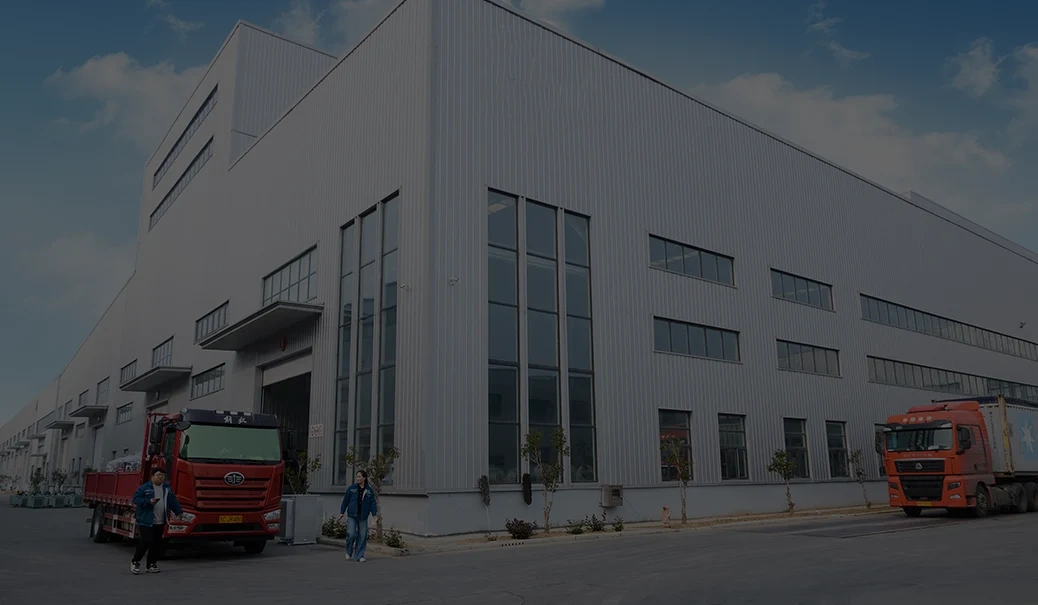
With a 50,000-square-meter production facility and a 50,000-ton yearly manufacturing capability, Luoyang Innovation Building Material Co., LTD specializes in providing enterprise-grade Steel Structure Project solutions. Our sophisticated steel processing line serves customers in the commercial infrastructure, industrial logistics, and specialty construction industries by combining cutting-edge machinery with stringent ISO9001 quality control. We provide end-to-end services for large-span warehouses, high-rise frameworks, and modular industrial platforms worldwide, including design, precise fabrication, thorough installation drawings, and technical support. We produce more than 2 million square meters of building materials every year.
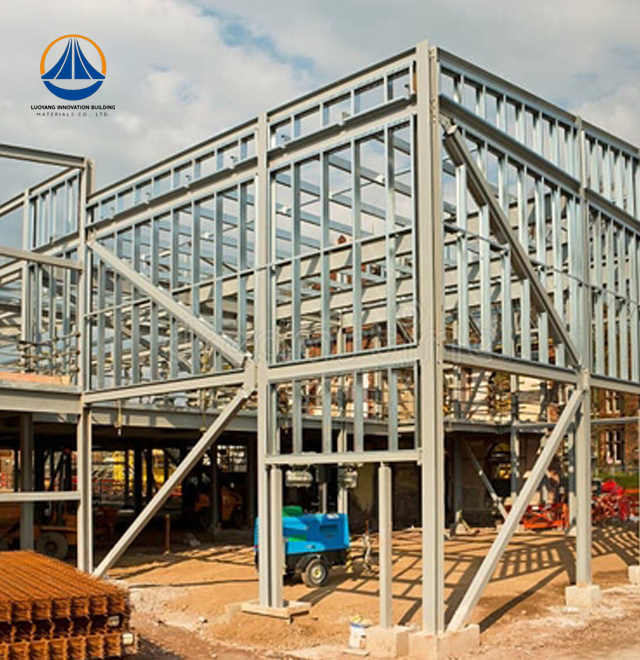
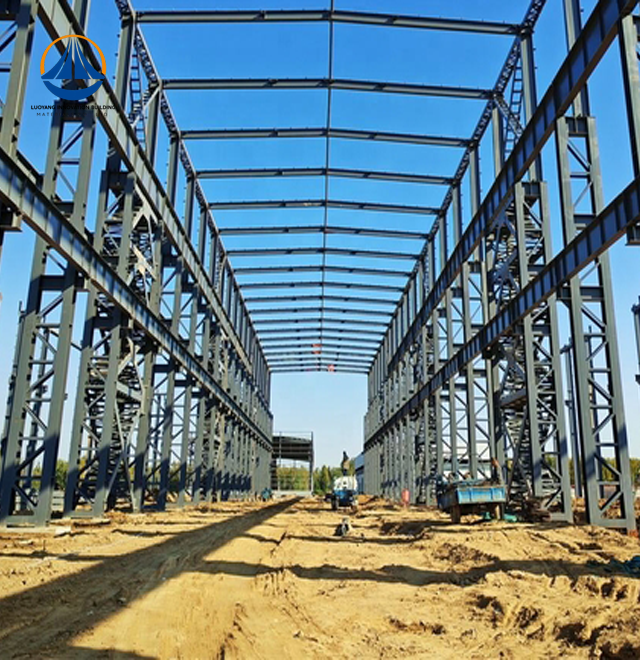
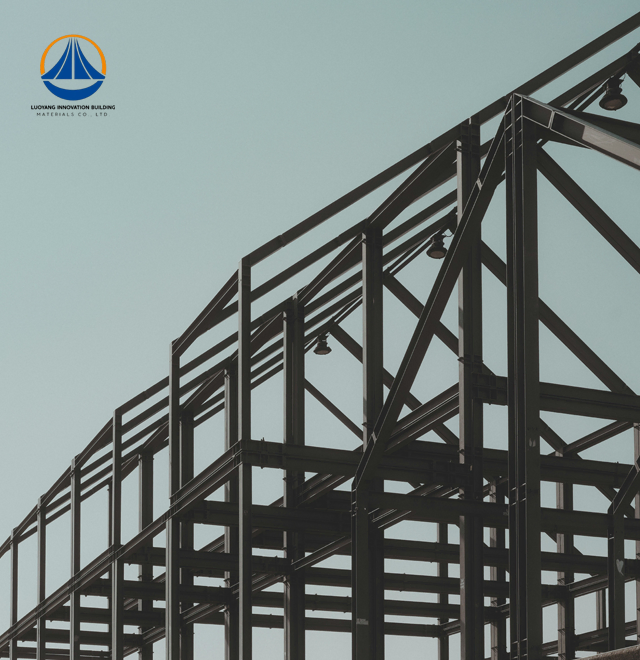
H-beams, I-sections, hollow structural sections, and steel plates are examples of structural steel elements that form the main load-bearing framework of a project, which is a specialized building methodology. This engineering strategy uses off-site prefabrication to overcome important construction difficulties.
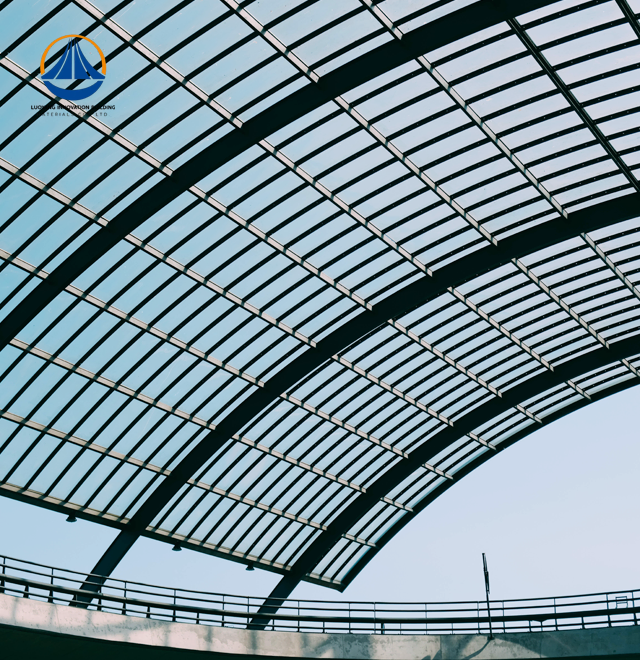
Steel's natural high strength-to-weight ratio allows engineers and architects to create large-span designs without the need for intermediate columns. Better seismic performance, shorter building times, and decreased carbon footprints thanks to 100% recyclable materials are all advantages for your project. Because of the substantial reduction in self-weight, fewer foundations are needed, which results in quantifiable cost savings in soil treatment and ground preparation.
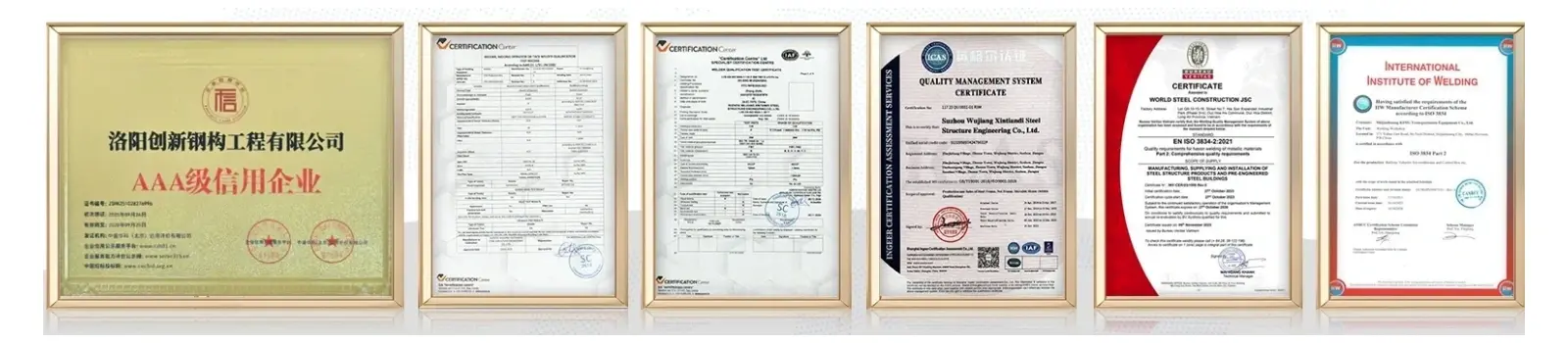
Our Steel Structure Project components meet rigorous international quality benchmarks, ensuring structural integrity across diverse applications.
| Parameter | Specification |
|---|---|
| Primary Structure | Lightweight H-beam or square tube steel frame |
| Secondary System | Galvanized C/Z-type purlins and tie rods |
| Steel Grade | Q235B, Q355B (ASTM A36/A572 equivalent) |
| Manufacturing Origin | China – ISO9001, CE, COC, PVOC certified |
| Surface Treatment | Hot-Dip Galvanization (ISO 1461) or epoxy coating |
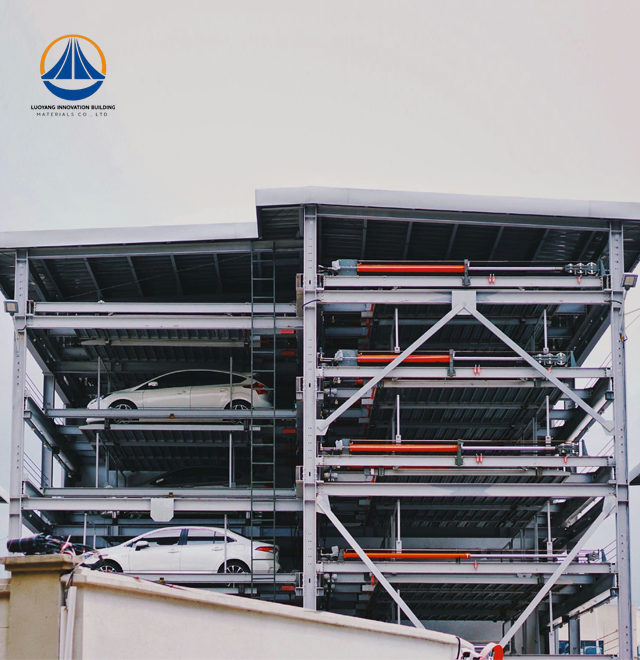
| Typical Applications | Car parking structures, equipment storage, maintenance shelters |
| Fire Protection | Intumescent coatings with 30-120 minute ratings available |
| Fabrication Tolerance | ±2mm dimensional accuracy |
In a variety of climates, the galvanized coating offers outstanding corrosion protection. Compared to conventional brick building, you obtain precisely constructed components that enable smooth on-site assembly, significantly lowering labor needs by up to 50%.
Quick Building and Enhanced Return on Investment
Prefabricated parts that are produced in a controlled factory environment are delivered prepared for bolt-together assembly. Compared to alternatives using reinforced concrete, this dry construction technology reduces your construction cycle by 30% to 50% because it does not require curing time. Faster occupancy and a quicker return on capital investment result from earlier project completion.
Space Optimization and Large-Span Capability
Internal spaces longer than 60 meters can be column-free because to steel's exceptional tensile strength. Flexible layouts that are perfect for production lines, airplane hangars, or sporting venues are added to your building. Thinner wall sections maximize the commercial viability of your project by increasing usable floor area by 3% to 8%.
Outstanding Wind and Seismic Resistance
Steel's exceptional ductility and consistent material qualities enable structures to absorb kinetic energy during typhoons or seismic disasters. Steel frameworks are the recommended option in high-risk areas due to their plastic deformation capacity, which prevents catastrophic failure.
Economically viable and sustainable
Because steel structures are precisely fabricated in factories, they produce very little construction waste. Steel components are 100% recyclable at the end of the building's service life, which is usually over 50 years with routine maintenance. This circular economy strategy lessens your environmental effect while adhering to current ESG regulations.
Requirements for an Affordable Foundation
When compared to concrete constructions, steel frames' light weight reduces dead load by 30% to 40%. Less complex foundation engineering is needed for your project, which will save soil treatment costs and speed up the site preparation stages.
Facilities for Industry and Logistics
Clear interior heights and unobstructed floor space are necessary for material handling equipment in large-span warehouses. Our Project solutions offer variable layouts that may be adjusted to meet evolving operational requirements while supporting heavy-duty overhead cranes.
High-Rise and Commercial Construction
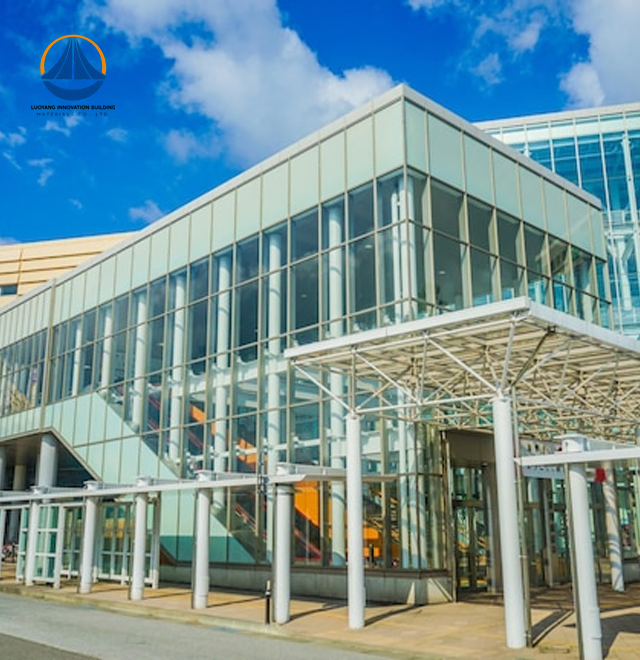
In coastal areas, urban business towers are subject to strong winds and seismic activity. Steel frameworks satisfy strict safety regulations and permit regulated structural sway, preserving occupant comfort. Rentable space is maximized by optimizing floor-to-ceiling heights.
Platforms for Specialized Industry
Mining activities and petrochemical plants require buildings that can withstand chemical corrosion, thermal expansion, and quick deployment. Installation in distant areas with little site infrastructure is made easier by modular skid-mounted designs.
Before delivery, each component is put thru a multi-stage verification process. Certificates from raw material mill tests verify mechanical characteristics and chemical composition. To find subsurface defects, critical welded joints undergo non-destructive testing, such as ultrasonic testing, magnetic particle inspection, and radiographic testing.
Measurements of coating thickness guaranty that your protective systems fulfilll the required Dry Film Thickness requirements for long-term corrosion resistance. To stop connection slippage, High-Strength Friction Grip bolts go via calibrated torque testing. During trial assembly, geometric tolerance tests ensure alignment, camber, and verticality, preventing expensive fit-up problems during erection.

Q: How are fire safety issues addressed in your Project?
A: Under normal circumstances, steel retains its structural integrity, but high temperatures weaken its yield strength. We use passive fire safety measures such calcium silicate board encasement, vermiculite spray, and intumescent coatings. These systems meet international building norms and insurance requirements with fire resistance ratings ranging from 30 to 120 minutes.
Q: What kind of upkeep is necessary for a steel structure?
A: Corrosion resistance is maintained by timely repair of any surface damage and routine checks of protective coatings. Your structure will last more than 50 years with little maintenance if it has the right initial coating systems rated for C3 to C5-M environmental exposures.
Q: Can changes be made once construction is finished?
A: One of steel's biggest benefits is its versatility. Concrete modifications need a lot more work than reinforcing, moving, or removing structural components. This adaptability allows for future growth or modifications to operations without requiring significant demolition.
Q: In coastal locations, how can corrosion be prevented?
A: Increased protection is necessary in high-salinity environments. Hot-Dip Galvanization or C5-M approved multi-layer coating solutions, such as polyurethane topcoats, epoxy mica iron intermediate coatings, and zinc-rich primers, are what we suggest. Decades of defense against corrosion caused by chloride are offered by this combination.
Q: Is steel construction more affordable than concrete?
A: The Total Cost of Ownership study shows significant savings even tho material costs per ton may seem greater. Lighter weight saves foundation costs, quicker construction lowers financing costs, and easier maintenance lowers lifecycle costs. Revenue streams are generated months ahead of standard construction timetables via accelerated project completion.
Choosing the right steel structure partner determines your project's success. Our 50,000-ton annual production capacity, intelligent manufacturing systems, and experienced engineering team deliver precision-fabricated components that arrive on schedule and assemble without complications.
Ready to explore how a Steel Structure Project can optimize your next development? Contact our technical team at eric@cxsteelstructure.com for customized design consultation, detailed quotations, and project feasibility analysis tailored to your specific requirements.
March 18, 2024
Their steel structures are exceptionally strong and precisely manufactured. The entire production process was highly professional.
September 7, 2024
We were impressed by their advanced steel structure production line and excellent fabrication quality. The final products met our project requirements perfectly.
February 14, 2025
From structural design and detailing to fabrication and delivery, their technical team provided professional support throughout the project.
July 22, 2026
The steel structure components showed excellent precision, durability, and workmanship. Their reliable service gave us great confidence in the project.