


March 18, 2024
Their steel structures are exceptionally strong and precisely manufactured. The entire production process was highly professional.
Oct 13, 2026
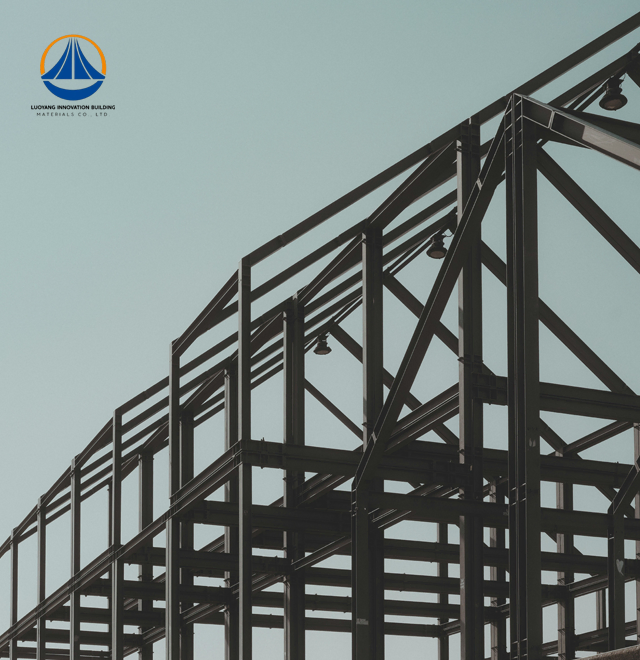
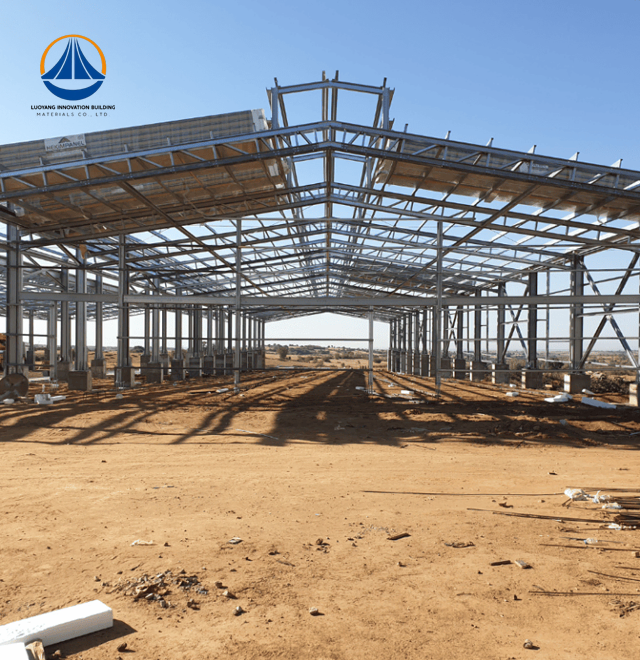
When infrastructure demands uncompromising load-bearing performance, heavy steel structure systems stand as the definitive engineering solution. Unlike light-gauge framing, a heavy steel structure employs thick-walled hot-rolled sections — including welded box columns, heavy H-beams, and pipe trusses — engineered to carry massive vertical and lateral forces. From long-span industrial bridges and petrochemical plants to seismic-rated warehouses and heavy manufacturing facilities, this structural system solves challenges that conventional concrete or timber construction simply cannot address. Understanding how it works and how to source it correctly is the first step toward a project that performs for decades.
A heavy steel system is different because the plates are usually thicker than 20 mm and high-quality materials like Q355B, Q420, and Q460 are used. Welded H-sections, box columns, and moment-resisting links make up its main load line. All of these parts work together to safely transfer both gravity loads and lateral forces like wind, seismic drift, and dynamic crane loads to the foundation.
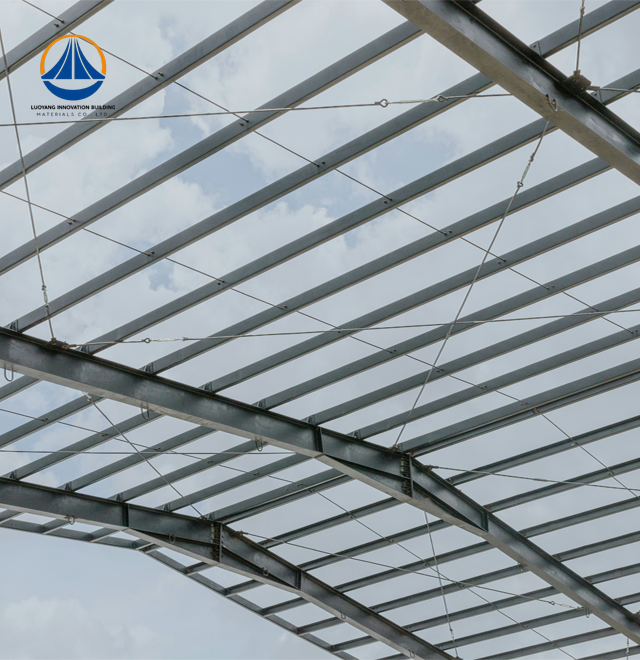
Heavy industry buildings, long-span public infrastructure, and high-rise structural cores are the three main areas where B2B procurement of heavy steel structure systems is commonly required. In petrochemical plants and smelting shops, a heavy steel structure frame has to support overhead bridge cranes weighing up to 500 tons and withstand temperature variations. Column-free spans of more than 60 meters are common in airport lobbies and stadium roofs, where a heavy steel structure can provide the required strength and stability. Bridge pylons and pier caps operate continuously in corrosive conditions, so they need special coatings that meet ISO 12944 C5-M standards for corrosion resistance. In each case, the stiffness and load-bearing capacity of the heavy steel structure must meet demanding requirements that can only be achieved through careful engineering, fabrication, and project-specific design.
Different materials, like concrete, wood, aluminum, and cold-formed light steel, are used for different things. On the other hand, heavy structural steel always performs better than other materials when the project calls for long spans, moving loads, or quick delivery times.
Before making a purchase choice, you should look at these core performance advantages:
"Extremely high strength-to-weight ratio": When the design load is the same, a steel structure is 30% to 40% lighter than a similar reinforced concrete structure. That weight loss cuts directly into foundation and ground treatment costs, which is a clear return on investment (ROI) benefit for big projects.
Load analysis is the first step in designing a heavy steel structure. Before section sizes are chosen, dead loads, live loads, wind uplift, snow buildup, and seismic accelerations are all evaluated. When it comes to the US market, design compliance for a heavy steel structure usually means following AISC 360 for steel buildings and ASCE 7 for environmental loads. Intumescent coatings or concrete encasing can help provide fire protection, while ASTM E119 tests can demonstrate fire-resistance ratings of up to three or four hours. By incorporating these requirements from the beginning, engineers can ensure that each heavy steel structure is properly designed for its expected loads, environmental conditions, and fire-safety requirements.
Critical infrastructure must be made in a factory with a quality management system that has been approved. Before production starts, the Welding Procedure Specifications (WPS) and Procedure Qualification Records (PQR) must be checked. Ultrasonic Testing (UT) or Radiographic Testing (RT) must be done on all critical full-penetration groove welds to make sure there are no internal flaws. Using 3D laser scanning to check for dimension errors makes sure that every part that gets to the job site exactly matches the erection drawings.
After abrasive blast cleaning to a Sa 2.5 level of cleanliness, the surface is prepared. Next, Dry Film Thickness (DFT) testing makes sure the anti-corrosive paint system is working properly before it is shipped.
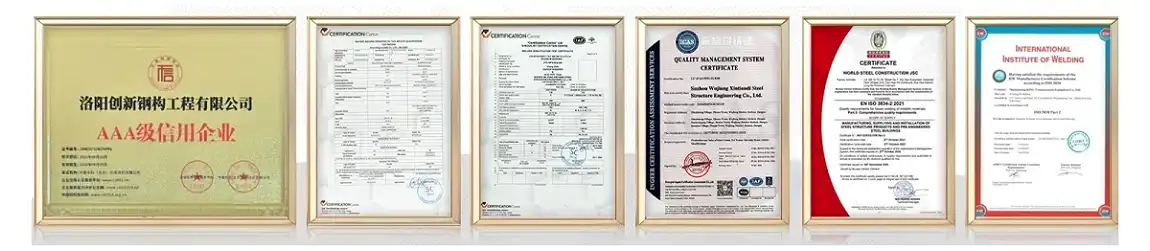
A trustworthy provider has certificates that are known all over the world. These include ISO 9001 for quality management, CE marking for structural compliance in Europe, and ASTM material compliance for the US market. In addition to looking at the credentials on paper, you should also look at the production infrastructure, such as the annual tonnage capacity, CNC cutting and welding equipment, and the presence of an intelligent processing line.
Many buying teams don't realize how difficult it can be to coordinate with multiple providers handling the structural design, manufacturing, and on-site assembly of a heavy steel structure. A turnkey supplier can provide structural design, manufacturing, surface treatment, packing, installation plans, and on-site coaching for a heavy steel structure under one contract. This removes interface risks, simplifies project management, and can speed up the overall project schedule. Make sure that the supplier's lead time for producing the heavy steel structure fits with your building schedule. In this market, a normal custom-production cycle of about 60 days from project acceptance is a competitive benchmark for projects requiring a heavy steel structure.
Ask for verified client references and detailed project portfolios from international suppliers you are considering. Catalog specs alone are not as solid proof as work that has been done on similar span lengths and occupancy categories.
High-strength steel alloys with yield strengths above 690 MPa are becoming more common in fabrication. This lets engineers make sections lighter without lowering their load capacity. BIM-driven fabrication processes now connect 3D structure models directly to CNC multi-axis cutting tools. This makes it possible to make complex curved nodes and non-prismatic sections with millimeter-level accuracy.
In terms of sustainability, hydrogen-based steelmaking processes are lowering the carbon footprint of primary steel production. This is a change that US clients seeking LEED certification or internal Scope 3 emissions targets are becoming more interested in. Suppliers are also expanding their modular pre-assembly skills in response to demand from developing infrastructure markets in Southeast Asia and the Middle East. This cuts down on the time needed for skilled labor on the job site and speeds up the assembly process. The best way to use these new ideas is for procurement professionals to involve suppliers in the design process instead of viewing construction as a simple buy.
Heavy steel structural systems are still the most reliable choice for bridges, factories, warehouses, and other heavy facilities that need to be able to hold a lot of weight, be resistant to earthquakes, and last a long time. The performance case is clear: it takes 30% to 50% less time to build with than concrete, can be recycled completely, and can be made with scientific accuracy in a factory. The key difference between successful projects and expensive delays is choosing a certified provider with real in-house production capacity and turnkey project support. To get the most out of modern structural steel engineering, be sure to carefully check the credentials of your supplier, make sure that your sourcing strategy is in line with new materials that will be available in the future, and involve your supplier early in the design process.
Light steel uses cold-formed, thin-walled sections suited for low-rise residential and light commercial buildings. Heavy steel employs hot-rolled or welded thick-plate sections specifically engineered to carry heavy industrial loads, crane runways, and the lateral forces present in high-rise or long-span infrastructure applications.
Steel's superior ductility allows the structure to deform without sudden brittle failure during a seismic event. This property makes welded and bolted steel moment frames among the highest-performing seismic systems recognized by AISC 341 and ASCE 7.
At a minimum, look for ISO 9001 quality management certification, ASTM-compliant material documentation, and a verifiable welding quality program. CE certification is also a strong indicator of systematic quality control.
Through intumescent coatings or concrete encasement, steel structures can achieve fire resistance ratings of two to four hours under ASTM E119 testing protocols.
For custom-fabricated structural packages, approximately 60 days from confirmed project acceptance is a standard benchmark, provided design documentation is complete at order placement.
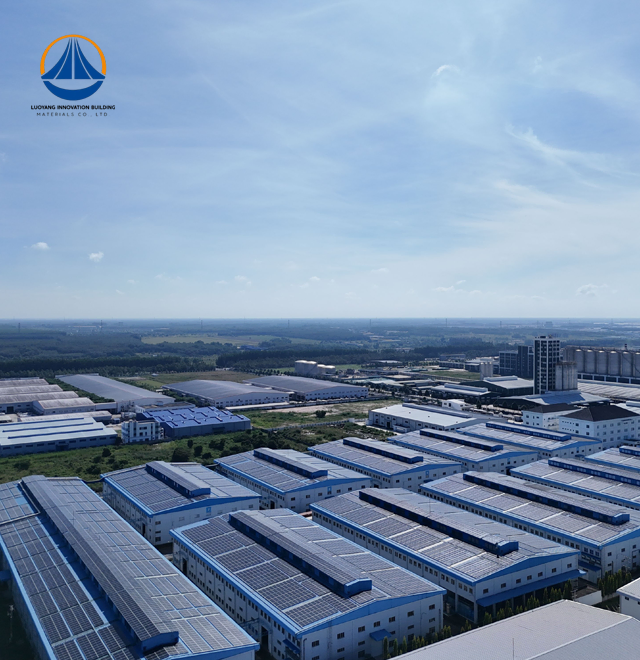
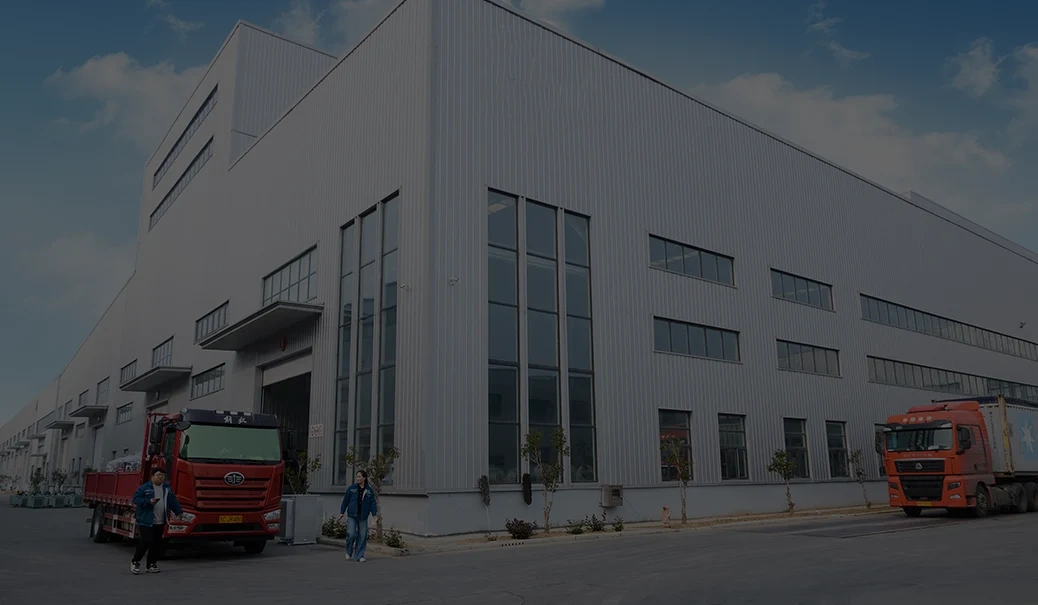
The production base of Luoyang Innovation Building Material Co., Ltd. is 50,000 m² and has an intelligent steel structure processing line with a yearly capacity of 50,000 tons. This makes the company a reliable Heavy Steel Structure maker for tough industrial, pharmaceutical, and commercial projects. Our certified wide-span portal steel structure buildings meet the standards set by ISO 9001, CE, and ASTM. They are also built to withstand a magnitude 7 earthquake and come with a 60-day delivery guarantee. To get a custom quote right away, email Eric at eric@cxsteelstructure.com or go to innovationsteelstructure.com.
1. American Institute of Steel Construction (AISC). Steel Construction Manual, 16th Edition. AISC, 2023.
2. American Society of Civil Engineers. ASCE 7-22: Minimum Design Loads and Associated Criteria for Buildings and Other Structures. ASCE, 2022.
3. Bjorhovde, Reidar. "Development and Use of High-Performance Steel." Journal of Constructional Steel Research, Elsevier, 2004.
4. Gorenc, B., Tinyou, R., & Syam, A. Steel Designers' Handbook, 8th Edition. UNSW Press, 2012.
5. Bruneau, Michel, Uang, Chia-Ming, & Sabelli, Rafael. Ductile Design of Steel Structures, 2nd Edition. McGraw-Hill, 2011.
6. World Steel Association. Steel in Buildings and Infrastructure: Fact Sheet. World Steel Association, 2022.
March 18, 2024
Their steel structures are exceptionally strong and precisely manufactured. The entire production process was highly professional.
September 7, 2024
We were impressed by their advanced steel structure production line and excellent fabrication quality. The final products met our project requirements perfectly.
February 14, 2025
From structural design and detailing to fabrication and delivery, their technical team provided professional support throughout the project.
July 22, 2026
The steel structure components showed excellent precision, durability, and workmanship. Their reliable service gave us great confidence in the project.