March 18, 2024
Their steel structures are exceptionally strong and precisely manufactured. The entire production process was highly professional.
Oct 16, 2026
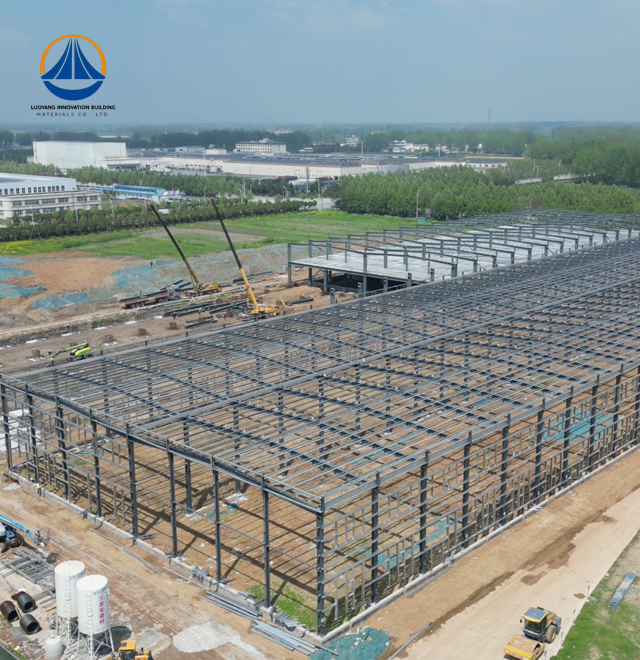
The short answer is yes — and the difference is significant. A heavy steel structure is engineered using thick-walled sections, large-span H-beams, welded box columns, and high-grade steel plates (typically exceeding 20mm) to handle massive vertical and lateral loads. Unlike conventional concrete or light-gauge framing, this structural system distributes stress across wide spans without relying on dense column grids. For pharmaceutical facilities, food processing plants, semiconductor factories, and large-scale warehouse operations, this translates directly into safer, more flexible, and more durable production environments.
A strong steel frame system is made up of main parts like columns, beams, girders, and trusses that are made from high-yield-strength steels like Q355B, Q420, or Q460 grade steel. Compared to regular construction steel, these materials have better yield strength-to-weight ratios. This means that structures can hold heavy loads like overhead cranes, heavy processing equipment, and mezzanine systems with multiple levels. Because the system is flexible, it can take seismic energy without breaking when it's under stress, which is very useful in places where earthquakes happen often.
In Heavy Steel Structure systems, load management is based on two key principles: distributing live and dead loads vertically through main beams to column footings and resisting horizontal forces such as wind and seismic drift through moment connections or braced frames. Understanding the difference between static and dynamic load resistance is important for industrial procurement engineers specifying a Heavy Steel Structure, because it directly affects material selection, structural layout, and connection design. Properly engineered Heavy Steel Structure systems can provide the strength and stability required for demanding industrial applications while maintaining efficient load paths. For this reason, defining the load requirements early is essential when selecting a Heavy Steel Structure solution.

Industrial buildings need structures that work well, and concrete and wood just can't do that on a large scale. For heavy-duty jobs, steel frame design is the best choice because of these main performance benefits:
All of these benefits make it easier for procurement managers, project engineers, and factory owners to deal with the structural performance and schedule problems that come up most often in big industrial projects.

When looking at different building materials for a new factory, comparing steel, concrete, light-gauge frames, and wood shows that they all work very differently when it comes to carrying weight.
When concrete is compressed, it is strong, but when it is stretched or hit by an earthquake, it breaks easily. Building with reinforced concrete also takes a long time to cure—usually 28 days—which makes project timelines much longer. When it comes to strength-to-weight, steel is better than concrete. It also gives designers a lot more options, especially when there will be big open spans or changes to the plan in the future.
Light-gauge cold-formed steel is good for low-rise dwellings and light commercial uses. However, it does not have the section depth and plate thickness required to support heavy overhead cranes, dense industrial shelving systems, or processing equipment weighing more than ten tons. A Heavy Steel Structure uses heavy structural steel sections, such as welded H-beams and box columns, to reliably support these demanding loads. A properly engineered Heavy Steel Structure can also meet applicable requirements such as AISC 360, Eurocode 3, and ASTM standards. For industrial facilities with high load demands, selecting a Heavy Steel Structure provides the structural capacity and stability needed for long-term operation.
Because it doesn't resist fire well, doesn't stay the same size when it gets humid, and expands and contracts over time, timber isn't usually a good choice for industrial uses. With regular upkeep, structural steel that has been treated to be immune to corrosion and provide Class II fire protection will keep its load-bearing strength for decades of industrial use.
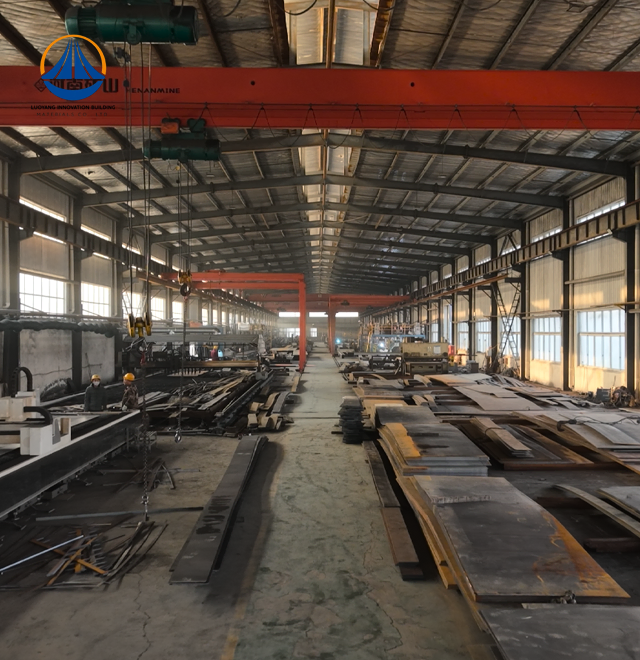
The quality of the fabrication directly affects how well the structure will work in the long run. Precision cutting with CNC multi-axis tools and controlled welding methods, such as heating thick plates to 100°C to 150°C first and using symmetrical welding sequences, reduce leftover stress and warping in size. Before parts leave the factory, they should all go through 100% Ultrasonic Testing (UT) or Radiographic Testing (RT) to make sure they are strong on the inside.
Treatment of the surface is also very important. After abrasive blast cleaning to a cleanliness level of 2.5 and applying anti-corrosive paint systems with a verified Dry Film Thickness (DFT), structural members are protected from industrial atmospheric corrosion for the life of the building.
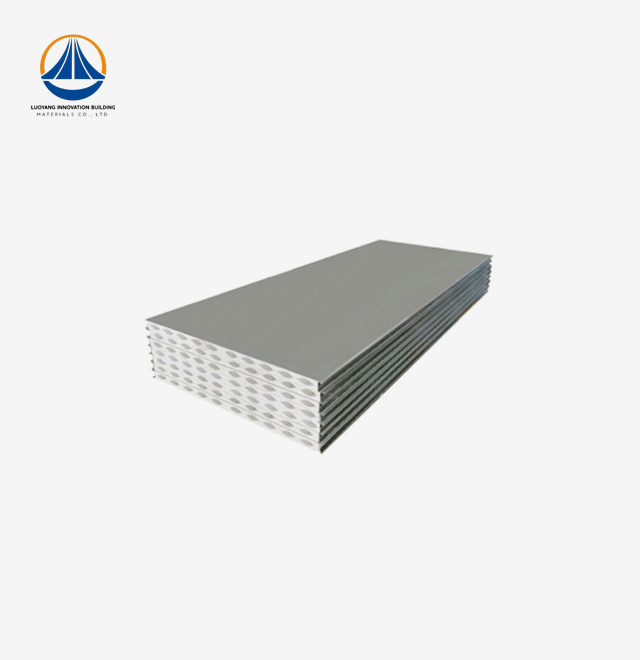
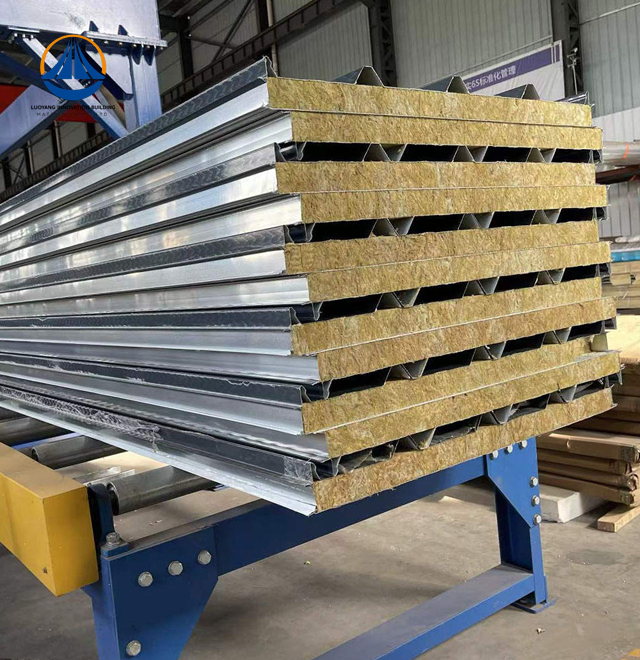
When planning how to buy something, our usual lead time is about 60 days from the time the project is accepted until it is delivered. This includes designing the structure, making it, treating the surface, packing it up, giving you installation instructions, and then delivering it. Depending on the application's thermal performance and cleanliness needs, roof and wall enclosures can be made of either cold-rolled coated steel sheet or insulated sandwich panels as secondary cladding
As part of regular maintenance, the coating should be checked visually for wear and tear, the torque of the connection bolts should be checked, and the drainage clearance should be checked. These simple rules make the structure last longer and protect the owner's investment.
Not every steel fabricator can maintain consistently high standards at a commercial level. Procurement professionals should look for Heavy Steel Structure suppliers that hold ISO 9001, CE, COC, and PVOC certifications, as well as suppliers that can demonstrate compliance with applicable ASTM material standards for the US market. Choosing a qualified Heavy Steel Structure supplier helps ensure that materials, fabrication processes, and quality control meet the requirements of demanding projects. Buyers should also verify the supplier's experience in producing Heavy Steel Structure systems and its ability to provide complete technical documentation and quality records.
Being able to do custom fabrication is very important. Complex industrial projects need custom structural layouts with different span widths, eave heights, crane beam integrations, and enclosure requirements. A supplier that offers design services that are enabled by BIM and CNC fabrication can turn specific project needs into precise parts that are ready for use in the field. The services should include everything from the original structural design and breakdown plans to help with planning, erection drawings, and advice during installation on-site.
Another important sign of dependability is the production scale. A supplier that can make 50,000 tons of steel structures every year can meet the needs of big projects on time and without sacrificing quality. This is important for project managers who are organizing the schedules of multiple trades in a building.
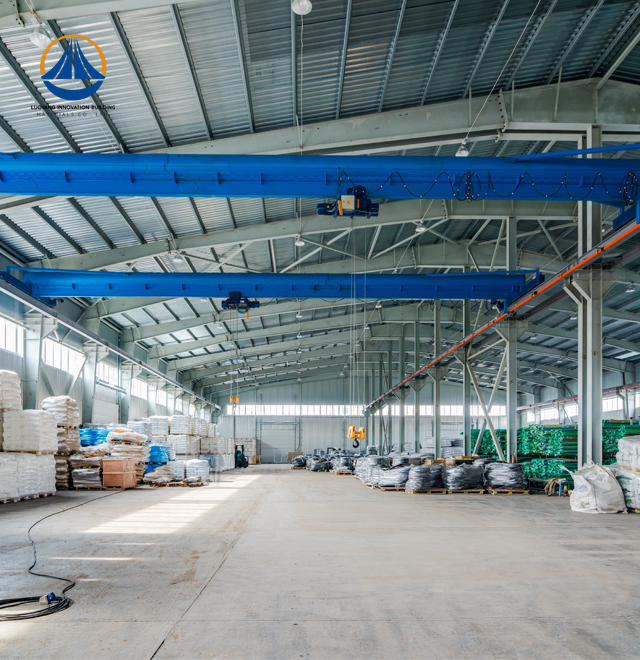
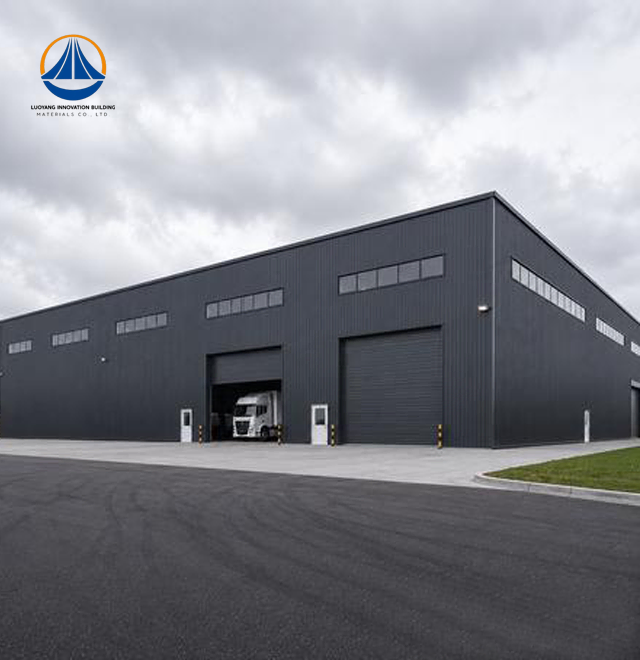
Well-designed Heavy Steel Structure frame systems are very helpful for industrial buildings that need to support high loads, such as pharmaceutical GMP facilities, large warehouses, and factories. A properly engineered Heavy Steel Structure system is one of the most reliable and cost-effective options for industrial project teams today. It combines high-yield-strength materials, large-span layouts with fewer or no interior columns, rapid prefabricated assembly, and compliance with applicable international building codes. For demanding industrial applications, choosing a Heavy Steel Structure can provide the strength, flexibility, and construction efficiency required for long-term project performance.
The yield strength of structural steel is usually between 355 and 460 MPa, and the compression strength of normal reinforced concrete is between 30 and 50 MPa. Due to its high strength-to-weight ratio, steel structures are 30%–40% lighter than their equivalents when loaded to the same level. This lets them have longer clear spans and much lower foundation requirements.
The three most important upkeep tasks are checking the anticorrosive coats on a regular basis, making sure that the connection bolts are tight, and making sure that drainage points around the footings of structures are clear. Updating the coating every five to seven years and checking the welds and fasteners on a regular basis will keep the structure strong for 50 years.
Ask for Material Test Reports (MTRs) that can be linked to particular heat numbers, look over the Welding Procedure Specifications (WPS) and Procedure Qualification Records (PQR), and make sure that all important joints are tested using Non-Destructive Testing (NDT) procedures. Compliance with ISO9001 standards and third-party inspections are good basic signs.
Yes, heavy structural frames with welded box columns and heavy H-beams can support up to 500-ton overhead crane systems as long as the design of the crane beam and runway is taken into account from the start of the main structural estimate.
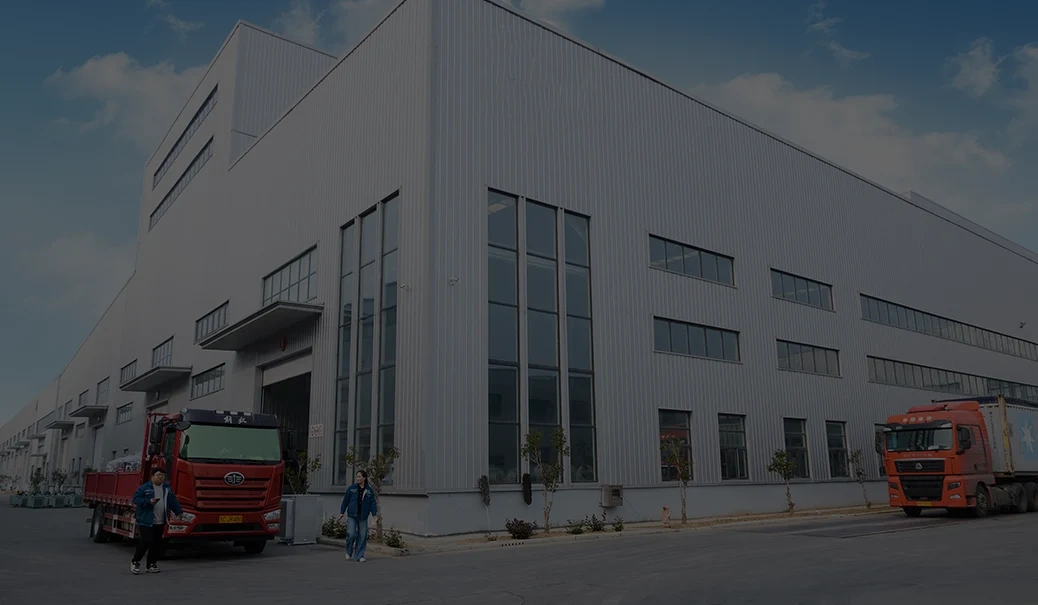
Luoyang Innovation Building Material Co., Ltd. has a production base of 50,000 square meters and makes 50,000 tons of heavy steel structures every year. Our wide-span portal steel buildings are certified by ISO9001, CE, COC, and PVOC. They are built to withstand a magnitude 7 earthquake and have Class II fire and structural safety ratings. Whether you need a reliable Heavy Steel Structure manufacturer for a new factory or custom manufacturing for a complicated engineering project, our team can help you at every step, from designing the structure and making a budget to providing erection plans and on-site advice. To get a custom quote right away, email us at eric@cxsteelstructure.com or go to innovationsteelstructure.com.
1. American Institute of Steel Construction (AISC). Steel Construction Manual, 16th Edition. AISC, 2022.
2. European Committee for Standardization. Eurocode 3: Design of Steel Structures — Part 1-1: General Rules. CEN, 2005.
3. Galambos, T.V., & Surovek, A.E. Structural Stability of Steel: Concepts and Applications for Structural Engineers. Wiley, 2008.
4. Gorenc, B., Tinyou, R., & Syam, A. Steel Designers' Handbook, 8th Edition. UNSW Press, 2012.
5. Salmon, C.G., Johnson, J.E., & Malhas, F.A. Steel Structures: Design and Behavior, 5th Edition. Pearson Prentice Hall, 2009.
6. Segui, W.T. Steel Design, 6th Edition. Cengage Learning, 2018.
March 18, 2024
Their steel structures are exceptionally strong and precisely manufactured. The entire production process was highly professional.
September 7, 2024
We were impressed by their advanced steel structure production line and excellent fabrication quality. The final products met our project requirements perfectly.
February 14, 2025
From structural design and detailing to fabrication and delivery, their technical team provided professional support throughout the project.
July 22, 2026
The steel structure components showed excellent precision, durability, and workmanship. Their reliable service gave us great confidence in the project.