
March 18, 2024
Their steel structures are exceptionally strong and precisely manufactured. The entire production process was highly professional.
Oct 12, 2026
A steel structure shade can absolutely protect vehicles from both intense sun and severe weather conditions. Engineered from high-tensile Q235 or Q355 carbon steel with portal frame configurations, these robust canopy systems deliver measurable UV attenuation, heat load reduction, and structural resilience against wind uplift, heavy snow, and driving rain. Unlike temporary fabric solutions or lightweight aluminum alternatives, a properly designed steel vehicle shade functions as a permanent infrastructure asset — purpose-built for commercial fleet yards, dealerships, logistics hubs, and industrial parking facilities that demand dependable, year-round environmental protection.

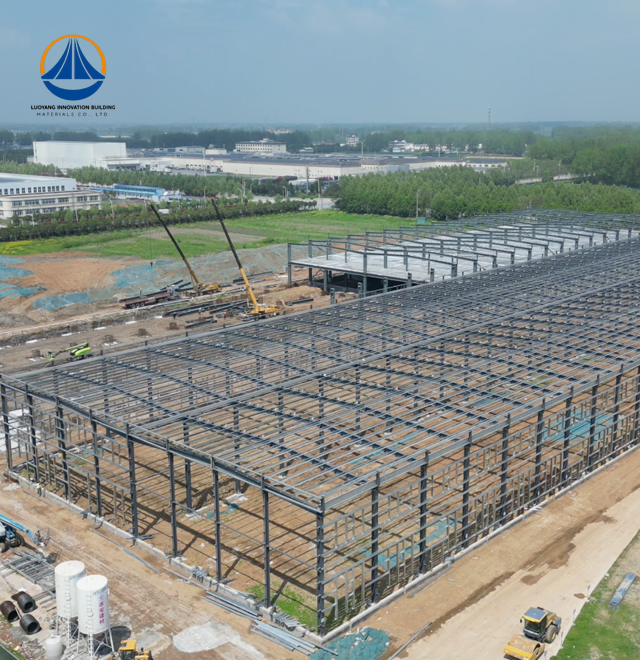
A Steel Structure Shade is an architectural framework made of load-bearing structural steel sections, like H-beams or hot-rolled square steel tubes made from Q235B or Q355B grade steel, andhot-rolled steel primary framing (H-beams, columns) with coated metal roofing sheets or insulated sandwich panels as secondary cladding. The system uses portal frame geometry to evenly spread roof loads over long, column-free spans. This makes it perfect for covering multiple rows of vehicles at once without blocking access lines.
Steel has a natural yield strength of 235–355 MPa, which means that spans longer than 30 meters can be built without using intermediate columns. Fleet managers and commercial parking lots need this column-free design so that vehicles can move freely and the bays can be set up in a variety of ways to fit everything from standard passenger vehicles to oversized commercial trucks.
Galvanized steel surfaces with hot-dip coating thicknesses topping 85 microns (per ISO 1461) prevent surface oxidation for 15 years or more without needing to be painted again. This is a big benefit over wood or metal systems that break down when exposed to UV light and moisture for a long time.
There are four main types of vehicle shading systems that procurement teams usually look at: fabric-tensioned canopies, aluminum canopy frames, wooden pergolas, and retractable awning systems. Before committing budget, you should think about the pros and cons of each one.
Fabric shade sails and tensioned membrane awnings look nice and block some UV rays, but HDPE and PVDF membranes need to be replaced every 10–15 years and can be damaged by winds that last more than 90 mph for a long time. While aluminum awnings are lighter, they are less stable when snow loads are uneven, and they need more frequent fastener repair because of the risk of galvanic corrosion at places where aluminum and steel meet.
Pergolas made of wood are still not ideal for business fleet settings. Moisture cycling makes the dimensions unstable; it's not very fire-resistant, and it only needs to be resealed and painted every 3–5 years for upkeep.
Retractable awning systems give you more options for how you run your business, but their moving parts need regular maintenance in outdoor industrial settings. Fabric rolls, drive motors, and tension systems all need to be serviced on a regular basis, which adds to the cost over their lifetime.
These problems are not a problem at all with Steel Structure Shades. With a Level 6 rating for seismic protection, a Class II rating for fire performance, and a material source that is ISO9001, CE, and ASTM-compliant, steel always gives the best value for money when it comes to structural stability over a 25–50 year service life.

Three different ways work together to make a Steel Structure Shade protective: blocking the sun's rays, controlling the temperature, and making the structure weatherproof.
A lot of solar energy is reflected off of coated steel roofing sheets with high-reflectance surface treatments before it hits the bodies of vehicles. A study in the journal Energy and Buildings shows that reflective metal roofing can lower the temperature of the air below the canopy by 8–12°C compared to asphalt surfaces that don't get any shade. This directly lowers the amount of heat inside a vehicle, protecting plastics, upholstery, and electronics from breaking down faster.
Both rain getting inside and wind-driven debris are dangerous weather threats. A well-pitched roof panel, which is usually set at a slope of 5 to 10 degrees, moves rainwater away from the building at a rate that keeps it from pooling and freezing into ice dams in cold areas. Using finite element analysis in structural design makes sure that each canopy passes local wind load rules. Commercial-grade systems are usually built to withstand sustained winds of more than 110 mph.
For markets in the northern U.S., snow load ability is just as important. When snow builds up, a Q355B hot-rolled steel main frame with properly spaced galvanized cold-formed purlins is required, while lighter-gauge aluminum or wood systems would fall apart. Large fleet parking lots can be built with spans that can be customized up to 63.3 m × 36.5 m and an eave height of 9 m. This is possible without the need for support beams in the middle.
To get a Steel Structure Shade the right way, you need to think about five main things before you place an order.
Here are the most important things that every project manager and purchasing head should check when buying something:
All of these things together show whether a supplier can meet the technical and time requirements of business and industrial procurement projects. If you choose a partner that offers both manufacturing and engineering help, you won't have to worry about handling a bunch of different freelancers.
Steel Structure Shades have a measured lifecycle value that can't be matched by commercially available fabric, metal, or wood options. A 30–50% shorter construction time compared to reinforced concrete, a 25–50 year useful life, and the ability to recycle all steel at the end of its useful life make for a compelling total cost of ownership profile.
The prefabricated portal frame components come standard and precisely made, and they need to be bolted or welded together instead of pouring hardened concrete. This dry building method cuts down on waste on the job site, gets rid of weather delays, and speeds up the time it takes to go from breaking ground to being ready for operation. Owners get their money back faster and can start making money from their protected fleet assets sooner.
In terms of sustainability, steel's ability to be recycled fits with ESG reporting requirements that are becoming more and more important to U.S. industrial operators and publicly traded companies when they buy things. Lifecycle waste is directly reduced when you choose steel that can be recycled over synthetic membranes that are only used once.
It is clear that Steel Structure Shades protect vehicles better from UV damage, heat buildup, wind uplift, heavy rain, and snow loads than cloth, metal, or wood options. These systems are the safest long-term investments for commercial fleet operators, logistics facilities, and industrial parking lots. They have a functional lifespan of 25–50 years, a 90-day delivery cycle, full customization options, and compliance with ISO9001, CE, and ASTM standards. When business-to-business buyers are looking at ways to protect vehicles, steel shade canopy systems always offer the dependability, long-term value, and operational flexibility that tough projects need.

The Steel Structure Shade framework can last longer than 25–30 years with regular inspections and hot-dip galvanization. Depending on the covering and the weather in the area, roof siding panels usually last between 15 and 20 years.
Not much maintenance is needed. It is normal practice to check the torque of bolts every six months, clean roof panels with pressure water every six months, and look at the finish to make sure it is still intact. If hot-dip galvanization is used during production, there is no need to paint within the first 15 years.
Yes, you can change everything about how a span is configured. Standard portal frame systems can support spans longer than 63 meters, and the eave heights can be changed to fit trucks, buses, or other heavy machinery. Single-skin steel sheets and insulated sandwich panels are two choices for the roof and walls.
As a minimum, make sure that the material meets the requirements of ISO9001 quality management approval, CE structural marking, and ASTM material compliance. Certifications like COC and PVOC give buyers more peace of mind when they are doing business internationally.
When compared to a concrete building, installing prefabricated parts takes about 30–50% less time because they are put together on-site using bolts. After construction approval, the normal lead time from production to handover is 90 days.
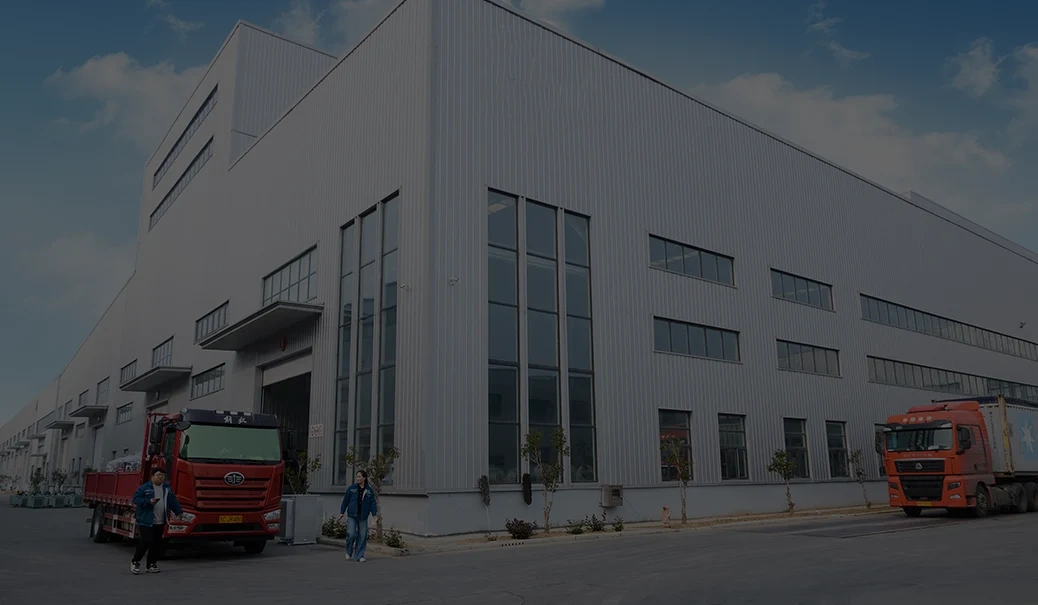
Luoyang Innovation Building Material Co., Ltd. has a 50,000-square-meter production base and makes 50,000 tons of steel structures every year. They offer Steel Structure Shade options that are ISO9001, CE, and ASTM compliant and are custom-built to your exact needs. Our engineering team is in charge of every step, from designing the structure and making detailed drawings to making the parts and helping with the installation on-site. To get a quote for your project from a reliable maker, email our team at eric@cxsteelstructure.com or go to innovationsteelstructure.com.
1. American Institute of Steel Construction (AISC). Steel Construction Manual, 16th Edition. AISC, 2022.
2. Gorgolewski, M. Resource Salvation: The Architecture of Reuse. Wiley-Blackwell, 2018.
3. International Organization for Standardization. ISO 1461: Hot-Dip Galvanized Coatings on Fabricated Iron and Steel Articles. ISO, 2022.
4. Pankow, J. L., & Hunt, G. Pre-engineered Steel Buildings and the Economics of Industrial Construction. Journal of Construction Engineering and Management, 2019.
5. Sadineni, S. B., Madala, S., & Boehm, R. F. "Passive building energy savings: A review of building envelope components." Renewable and Sustainable Energy Reviews, Elsevier, 2011.
6. U.S. Department of Energy. Cool Roof Research and Thermal Performance in Commercial Buildings. Office of Energy Efficiency and Renewable Energy, 2020.
March 18, 2024
Their steel structures are exceptionally strong and precisely manufactured. The entire production process was highly professional.
September 7, 2024
We were impressed by their advanced steel structure production line and excellent fabrication quality. The final products met our project requirements perfectly.
February 14, 2025
From structural design and detailing to fabrication and delivery, their technical team provided professional support throughout the project.
July 22, 2026
The steel structure components showed excellent precision, durability, and workmanship. Their reliable service gave us great confidence in the project.