March 18, 2024
Their steel structures are exceptionally strong and precisely manufactured. The entire production process was highly professional.
Oct 16, 2026
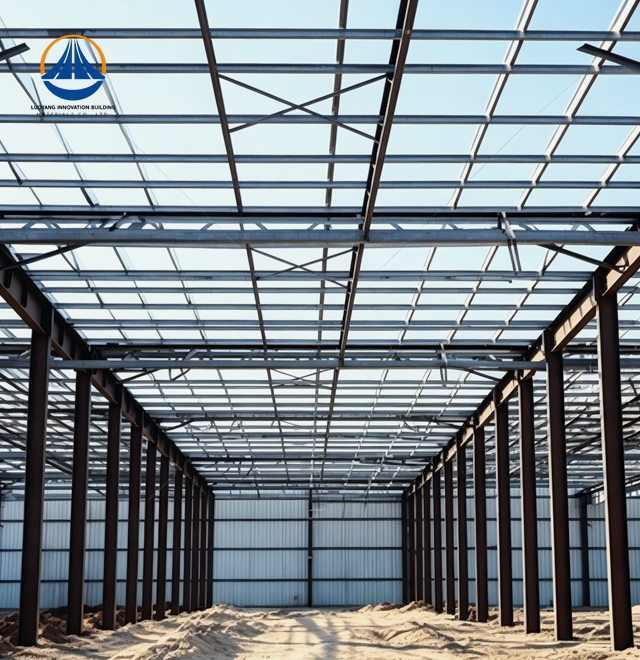
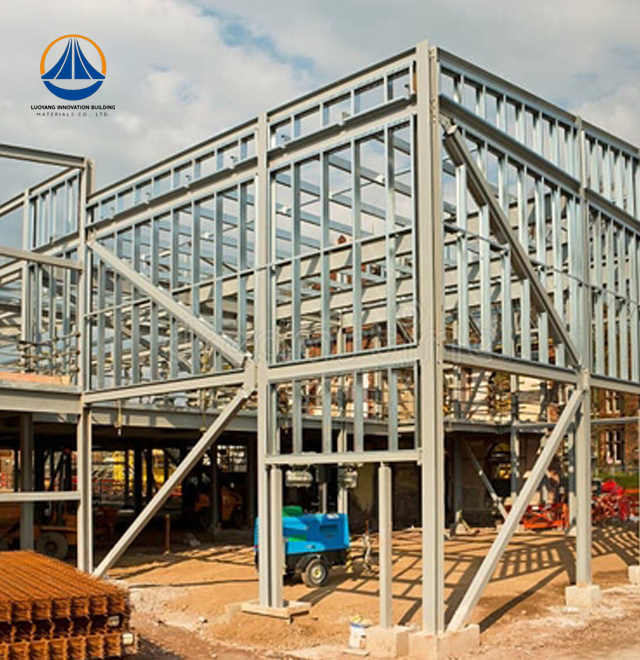
Prefabricated Steel Structure Buildings have redefined how industrial and commercial facilities are planned, funded, and delivered. Rather than relying on slow, weather-dependent concrete pours, these systems shift the bulk of fabrication into a controlled factory environment, then ship precision-cut components to the site for rapid assembly. The result is a building solution that compresses schedules, tightens budgets, and meets the rigorous compliance demands of pharmaceutical GMP facilities, food processing plants, semiconductor cleanrooms, and large-scale logistics warehouses alike.

When buying from business to business, time is money, and steel prefabrication takes full advantage of that fact. The factory makes the hot-rolled main frames, cold-formed secondary purlins, andcold-rolled covering panels as cladding at the same time as the groundwork on the job site. This eliminates the delays that happen when building with concrete the old way.
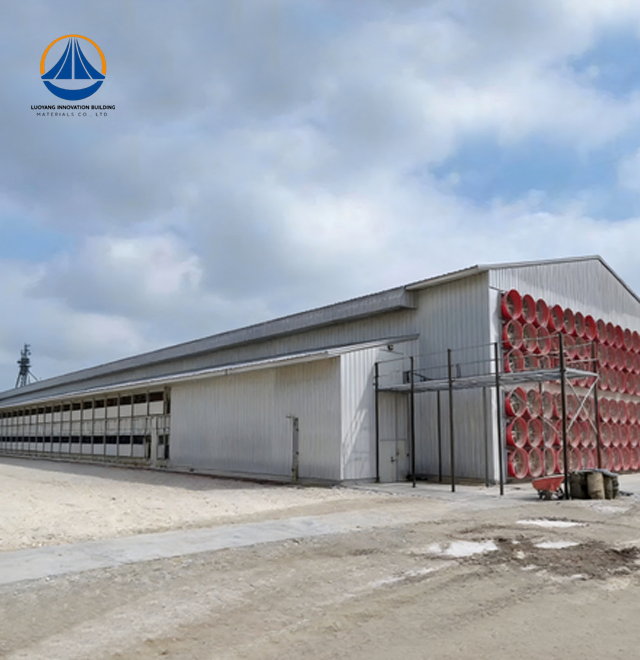
Independent industry data shows that using steel prefabrication cuts the time it takes to build something by 30–50% compared to the old way of doing things. A building that is 12,160 m², 180 m long, 68.9 m wide, and 7.67 m high at the eaves can be built and accepted within 60 days of the order being confirmed if the parts are precisely manufactured off-site and brought ready to be bolted together. This speeding up directly means that building owners and project managers will make more money faster and have better cash flow.
In addition to being faster, the dry-assembly method used for Prefabricated Steel Structure Buildings, which relies on bolted or welded joints that require little curing time, keeps the construction site clean, reduces the number of workers needed, and allows different trades to work at the same time. This streamlined process makes Prefabricated Steel Structure Buildings especially suitable for projects with tight construction schedules and strict handover deadlines. For procurement teams, choosing Prefabricated Steel Structure Buildings can simplify project coordination, shorten on-site installation time, and improve overall construction efficiency.
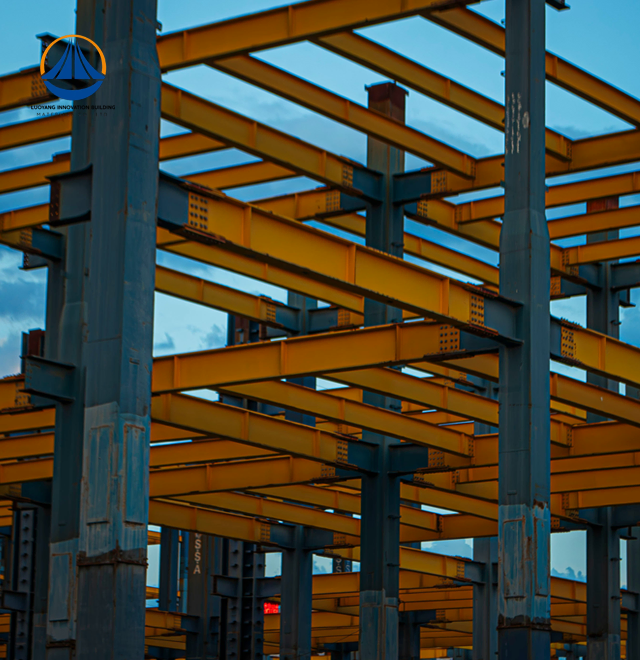
When it comes to mechanics, steel is different from wood and concrete. Its even grain structure gives it an expected yield strength (Q355B steel can hit 355 MPa), great ductility, and a good track record of absorbing energy during earthquakes or wind events.
Warehouses made of portal-frame steel that are certified to Seismic Grade 7 and Fire Rating II can withstand side forces that would damage masonry buildings. Hot-dip galvanized cold-formed purlins and covered steel sheets that don't rust make the structure last much longer than the usual 50 years. When you combine ISO 9001-certified fabrication with CE and ASTM material compliance, you get a quality guarantee that you can check. This is a must for pharmaceutical companies and electronics makers, where structural failure can have legal and safety effects.
Also, steel frames are 30–40% lighter than equivalent reinforced-concrete frames. This means that foundation loads and the costs of building them are lower without affecting their ability to hold weight.

Costs going up without warning are the biggest problem for many buying managers when it comes to infrastructure. Before a single piece leaves the plant, steel prefabrication locks in the amounts of materials, the tolerances for fabrication, and the number of parts. This solves the problem at its source.
Here are the main cost-saving factors that make prefab steel a good long-term investment:
Built-to-order production with a set 60-day cycle lets buying teams make accurate project budgets and avoid the cost overruns that happen a lot with traditional builds.
Most multinational procurement organizations no longer have a choice but to make sustainability commitments. Steel prefabrication meets a number of ESG requirements, which makes it a good option for buyers who want to get LEED or BREEAM certification.
When you build Prefabricated Steel Structure Buildings without using water, cement dust, or slurry, you can significantly reduce the waste associated with conventional concrete pours. Because components for Prefabricated Steel Structure Buildings are pre-cut and pre-drilled according to BIM model tolerances, there is much less material waste on the construction site. One of the key advantages of structural steel in Prefabricated Steel Structure Buildings is that it can be recycled repeatedly at the end of its service life. When Prefabricated Steel Structure Buildings eventually need to be replaced, the steel frame can retain significant material value and generate less demolition waste, supporting current procurement policies focused on circular economy principles.
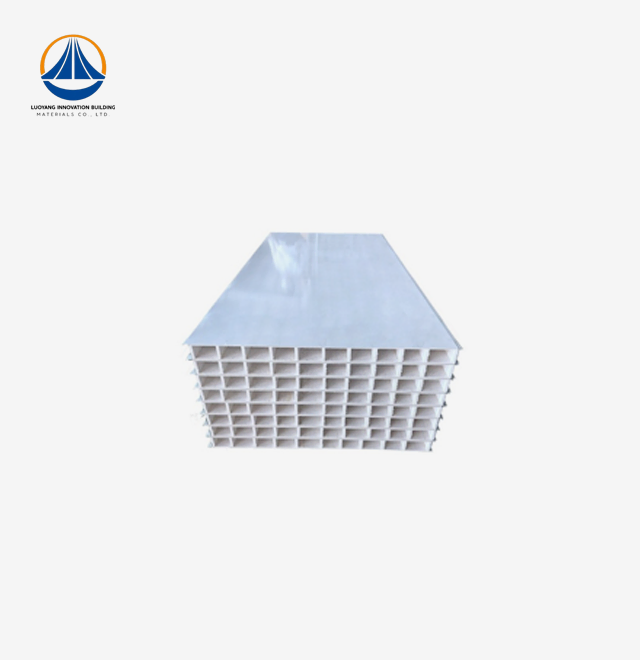
Using insulated sandwich panels for the roof and walls makes the building's thermal envelope even better. This lowers the energy needed for operations and helps climate control systems work in places like food processing or pharmaceutical cold chains.
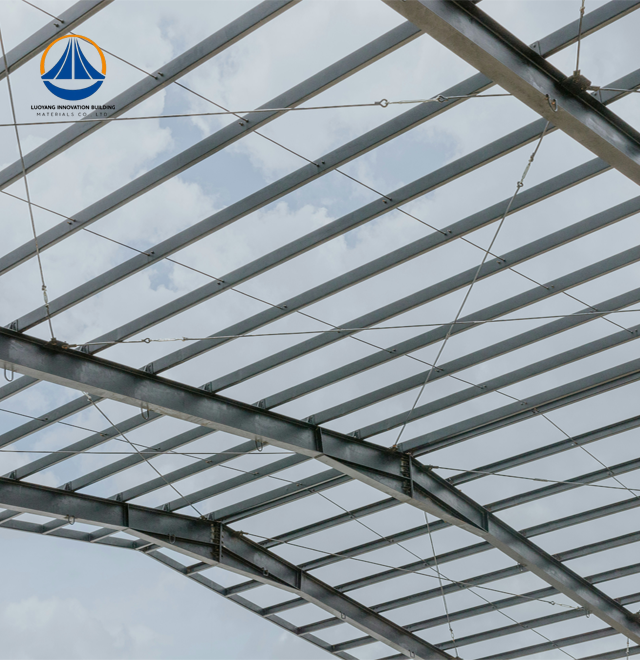
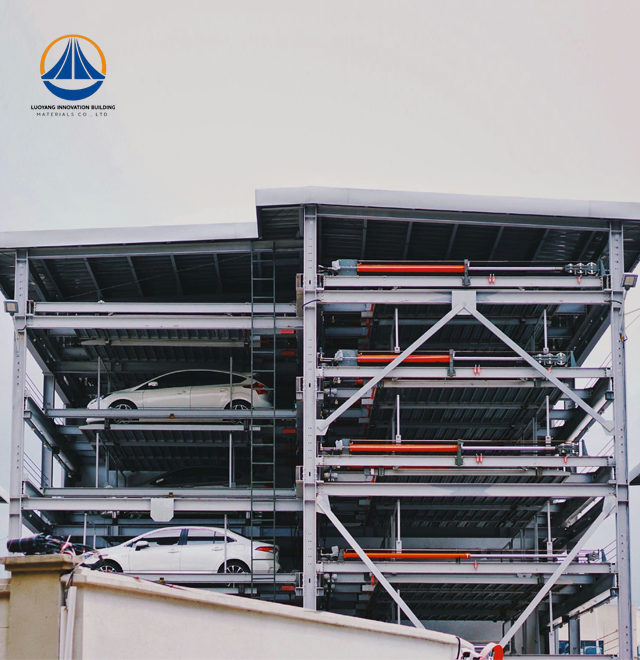
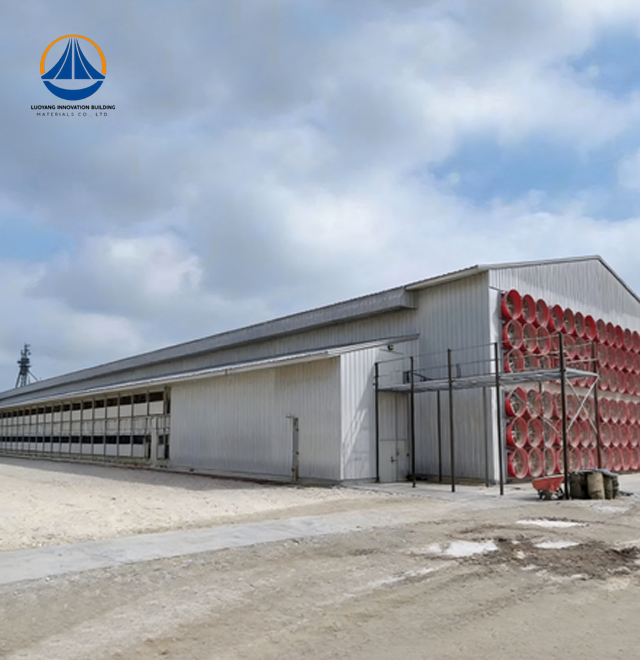
The wide range of uses for modular steel construction is one of its best features that doesn't get enough attention. The basic engineering of a single structural system—a lightweight portal frame, an H-beam main structure, and cold-formed galvanized secondary members—doesn't change when it goes from a 500-square-meter equipment storage shed to a 12,000-square-meter or more logistics hub.
You can cover the roof and walls with anything from single-skin covered steel sheets to insulated sandwich panels with EPS, PU, or Rockwool cores. These can be used for anything from basic storage to GMP-compliant pharmaceutical production areas. You can change the span widths and eave heights to fit your needs. This lets you have internal rooms without columns that can fit overhead cranes, automated conveyor systems, and modular cleanroom partitions. Because they are so flexible, steel frame buildings can be used in semiconductor factories, cold-chain distribution centers, and heavy-industrial stores along ocean routes with a lot of wind.

Complexity is the enemy of schedule certainty. Steel prefabrication simplifies the construction process for Prefabricated Steel Structure Buildings by combining design, fabrication, surface treatment, packaging, installation drawings, and on-site technical support into a streamlined workflow. This integrated approach gives Prefabricated Steel Structure Buildings a more predictable construction sequence and helps procurement teams coordinate multiple project stages more efficiently. For buyers managing demanding industrial projects, choosing Prefabricated Steel Structure Buildings can reduce coordination complexity and improve control over delivery schedules.
When you work with a manufacturer that is ISO 9001-certified, each part that you receive comes with paperwork that makes it easy to track. This includes mill test certificates for the steel, dimensional inspection reports, and records of the coating's dry-film thickness. On-site, installation plans and technical advice cut down on the need for local expert labor. This speeds up the assembly phase and reduces the number of items that need to be fixed before handover. Support after the sale and warranties protect the asset for as long as it is used. This gives procurement professionals the confidence to commit to a single-source supply relationship instead of managing a number of subcontractors.
Steel prefabrication has measurable benefits in all areas that B2B procurement professionals care about, including shortening lead times, making sure structures are reliable, keeping costs low, protecting the environment, allowing for flexible design, and making procurement easier. For Prefabricated Steel Structure Buildings, these advantages make them an ideal choice for modern construction projects. It doesn't matter if the building is a GMP pharmaceutical facility, a food-processing hygienic workshop, a semiconductor cleanroom, or a large-span logistics warehouse—a well-engineered steel frame building meets all of the main needs. These six benefits are not just ideas; they are based on real project data, material science, and the operational experience of thousands of facilities around the world that have already been built.
With proper anti-corrosion surface treatment and routine inspection, a well-fabricated steel structure carries a design life of 50 years or more, meeting permanent building standards in most jurisdictions.
Finalizing the design before production begins is strongly recommended, as components are precision-fabricated to fixed BIM tolerances. That said, the modular system makes future horizontal expansion straightforward compared to concrete construction.
Prioritize ISO 9001 for manufacturing quality, CE marking for structural compliance, and ASTM material certification for raw steel verification. These three credentials cover the most critical quality and safety bases.
The clock starts after project acceptance and design confirmation. Factory fabrication, surface treatment, and packaging are completed within that window, with construction drawings and on-site guidance delivered alongside shipment.
Yes. Insulated sandwich panel wall and roof systems, combined with precision-assembled steel frames, provide the structural stability and hygienic surface options required by pharmaceutical, food-processing, and electronics manufacturing environments.
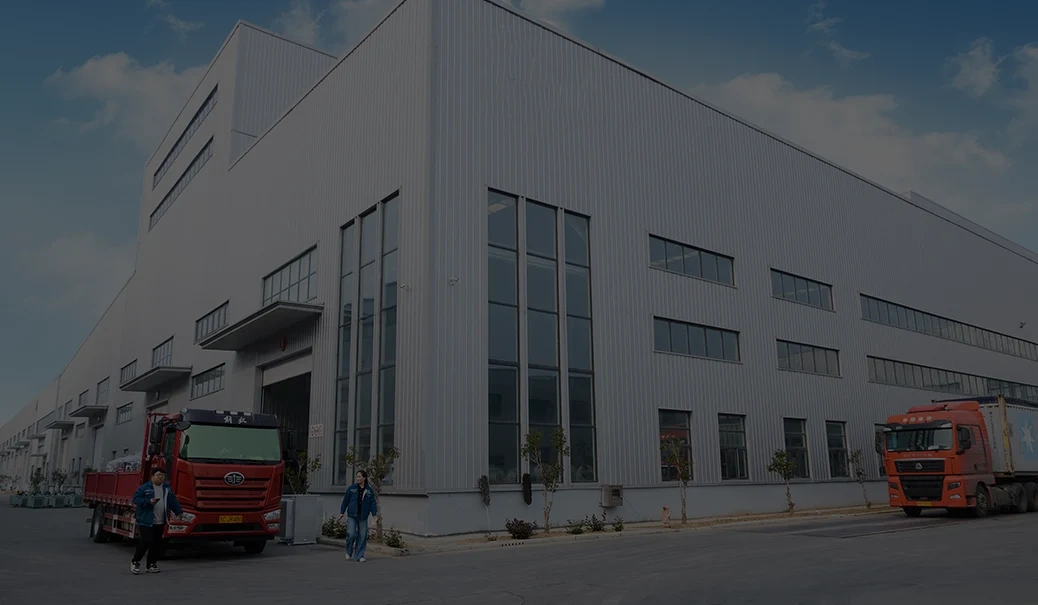
Luoyang Innovation Building Material Co.,LTD has a production base that is 50,000 m² and can process 50,000 tons of steel every year. They use intelligent fabrication equipment that they get from other countries. As a reliable maker of Prefabricated Steel Structure Buildings, the company offers full support, from structural design and drawing breakdown to budgeting, fabrication, and on-site installation guidance. All of this is done with quality management that meets ISO 9001, CE, and ASTM standards. You can talk to the engineering team about your project needs and get a custom quote by emailing eric@cxsteelstructure.com or visiting innovationsteelstructure.com.

1.American Institute of Steel Construction (AISC). Steel Construction Manual, 16th Edition. AISC, 2023.
2.McKinsey Global Institute. Reinventing Construction: A Route to Higher Productivity. McKinsey & Company, 2017.
3. U.S. Green Building Council. LEED v4.1 Building Design and Construction Reference Guide. USGBC, 2021.
4. Steel Construction Institute (SCI). Design of Steel Structures for Buildings in Seismic Areas. SCI Publication P418, 2020.
5. International Organization for Standardization. ISO 9001:2015 — Quality Management Systems: Requirements. ISO, 2015.
6. World Steel Association. Steel's Contribution to a Low Carbon Future and Climate Resilient Societies. World Steel Association, 2022.
March 18, 2024
Their steel structures are exceptionally strong and precisely manufactured. The entire production process was highly professional.
September 7, 2024
We were impressed by their advanced steel structure production line and excellent fabrication quality. The final products met our project requirements perfectly.
February 14, 2025
From structural design and detailing to fabrication and delivery, their technical team provided professional support throughout the project.
July 22, 2026
The steel structure components showed excellent precision, durability, and workmanship. Their reliable service gave us great confidence in the project.