
March 18, 2024
Their steel structures are exceptionally strong and precisely manufactured. The entire production process was highly professional.
Oct 26, 2026
Coastal industrial buildings demand more than standard construction materials. Salt-laden air, persistent humidity, and temperature swings create an aggressive corrosive environment that standard carbon steel simply cannot withstand long-term. An anti-rust steel structure integrates protective technologies—hot-dip galvanizing, duplex coating systems, and corrosion-resistant alloys—to deliver service lives exceeding 30 to 50 years in C4 and C5 marine exposure categories. This guide helps B2B procurement managers, project engineers, and facility owners make informed material and supplier decisions for coastal industrial projects, balancing structural performance, regulatory compliance, and total cost of ownership.
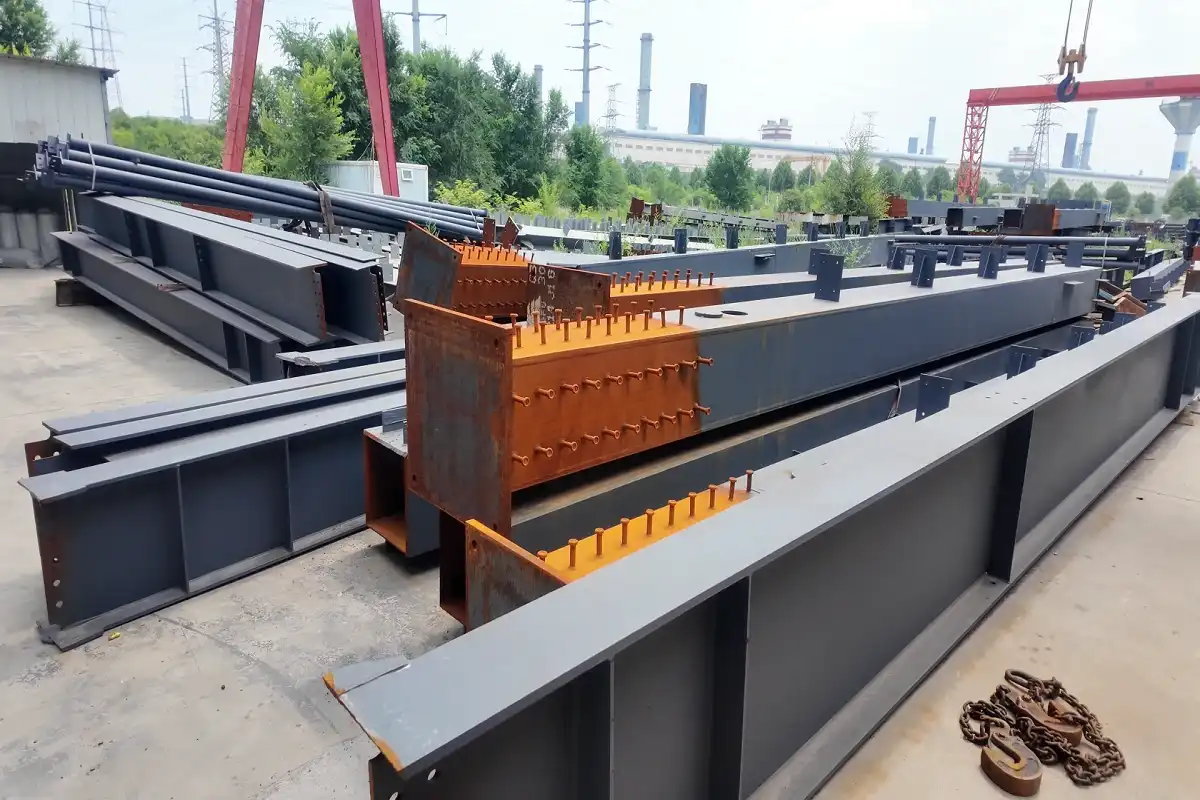
A structure made of steel that doesn't rust is more than just a structure. In this process, the right base steel is chosen, the surface is cleaned (usually with Sa 2.5 blasting), and a protective system like hot-dip galvanizing (HDG), thermal spray aluminum (TSA), or a multi-layer epoxy-polyurethane coating is added. Every layer does its job to keep chloride ions from passing through. This is what causes saltwater areas to erode in pits. The ISO 12944 classification for coastal places is C4 to C5-M, and they need dry film thicknesses (DFT) of 200µm to 320¼m to be safe.
Three natural things make steel break down faster near the coast: chloride buildup from salt spray (measured in mg/m³/day), humidity levels that stay above 80%, and thermal cycling that breaks down coatings. In industrial areas, these forces are made even worse by chemical vapors, machine wear, and cycles of condensation inside buildings. If carbon steel that hasn't been treated is left in a C5-M environment for five years without being protected, it will rust in just one year and become weak.
An Anti-Rust Steel Structure treated to appropriate marine-grade corrosion protection can significantly reduce maintenance requirements in demanding coastal environments. Compared with an inadequately protected steel building, a properly designed and maintained Anti-Rust Steel Structure may require substantially less maintenance over a 20-year period, although actual savings depend on the coating system, environmental exposure, and inspection schedule. For projects in coastal areas of the United States, corrosion protection should be selected according to the site's exposure conditions and applicable building requirements. Standards such as ASTM A123 and ISO 12944 can help guide the specification and evaluation of protective coatings, while relevant AISC requirements may apply to structural design and fabrication. Buyers should verify which standards and certifications are required for their particular project rather than assuming that one treatment automatically satisfies every permit requirement. Investing in an Anti-Rust Steel Structure can help control long-term costs by reducing premature corrosion, repainting frequency, and avoidable component replacement. This is especially important for pharmaceutical facilities and food processing plants, where surface durability, hygiene, and documented quality procedures are essential. When procuring an Anti-Rust Steel Structure, buyers should request traceable records of surface preparation, coating materials, application procedures, dry-film thickness measurements, and inspection results. These documents help demonstrate that the protective treatment meets the specified requirements. By combining suitable corrosion protection with verifiable quality records and regular inspections, an Anti-Rust Steel Structure can deliver dependable performance, easier maintenance planning, and improved lifecycle value in challenging industrial environments.
A zinc-iron link is made with the base steel when it is hot-dip coated. This link protects against cathodic damage temporarily. Paint alone doesn't hold up as well against wear and tear as this does in C3 and C4 settings. But solo HDG might not last long enough in places where C5-M salt spray is present. A report from the Galvanizers Association shows that using both HDG and a polyurethane topcoat together makes the finish last 1.5 to 2.3 times longer than using only one method.
The galvanized purlins and coated galvanized steel strips we use to build our portal frame buildings are a good balance of price and function for most business projects along the coast. Systems that are only painted cost less at first, but they need to be recoated every 7 to 10 years in harsh environments. Real-life coastal warehouses usually have galvanized systems with a protective topcoat that don't need to be maintained for 25 years. The choice is made based on the site's corrosivity level, the client's budget, and their ability to do their own maintenance.
When you test salt spray against ASTM B117, you have a standard to compare it to. It will last for 3,000 hours without burning or moving more than 2 mm from the scribe if you use the right epoxy zinc-rich base, intermediate coat, and polyurethane finish. This is the same as the performance profile of the galvanized portal frame structures we make, which are approved by ISO9001, CE, ASTM, and COC/PVOC. Instead of just manufacturer claims, they offer protection that can be seen and checked.
If you want to find a company that makes Anti-Rust Steel Structure, you should look at their certifications. These show that they have good process control. If the company claims to follow ISO9001 quality management, CE structure compliance, and ASTM material tracking, read more about them. The people who sell steel should give mill certificates, DFT inspection reports, and holiday (pinhole) detection records for each batch. These papers keep you safe when you file an insurance claim or a third party audits your books. Certified by ISO9001, CE, COC, and PVOC, our building comes with all the information you need for any job.
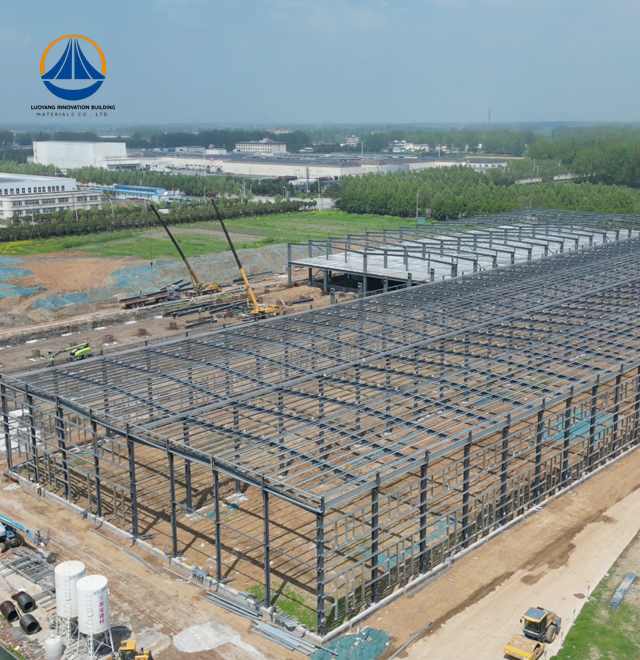
In order to buy corrosion-protected steel structures, you have to pay for things like raw steel, labor to prepare the surface, coating materials, the difficulty of fabrication, and shipping costs between countries. Each item costs less to make when you order in bulk, and if you place your order early, you'll be sure of a production time. It takes us about 60 days from the time we accept a job to the time we deliver something that is ready to be built. When you work with the engineering team early on on big projects like our 12,160 m² warehouse (180 m x 68.9 m x 7.67 m), you can keep the schedules on track by designing and building at the same time.
Businesses along the coast need different ways to set up their buildings. Food processing plants need walls made of thermally protected sandwich panels, and chip factories need to be able to measure things to the micron level. Pharmaceutical GMP facilities need panel interfaces that are easy to clean. As part of our service, we do everything from making the structure and breaking down the drawings to fabricate, treat the surface, package, and help with placement on-site. Clients get full sets of installation drawings and can talk to our tech team the whole time the building is going on. This keeps the plan on track and makes it less likely that miscommunications will happen.
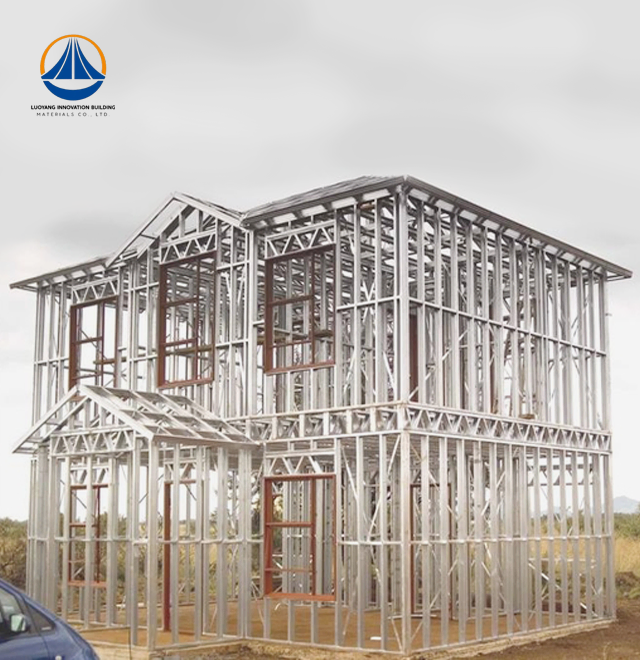
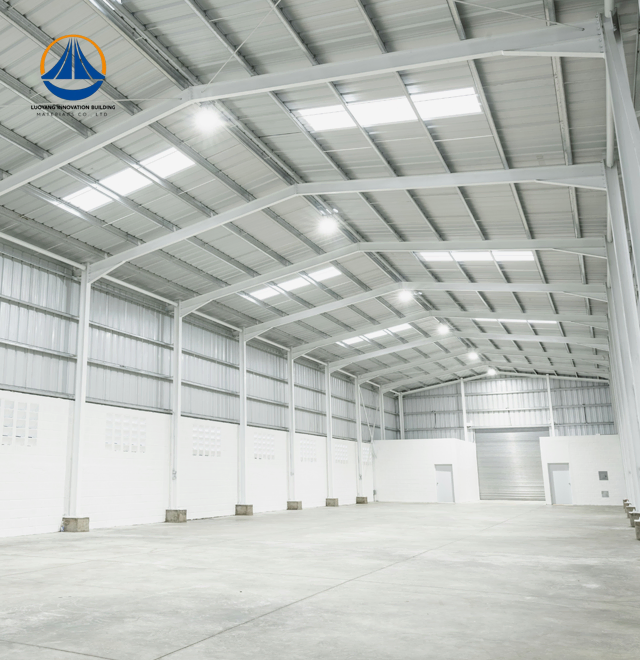
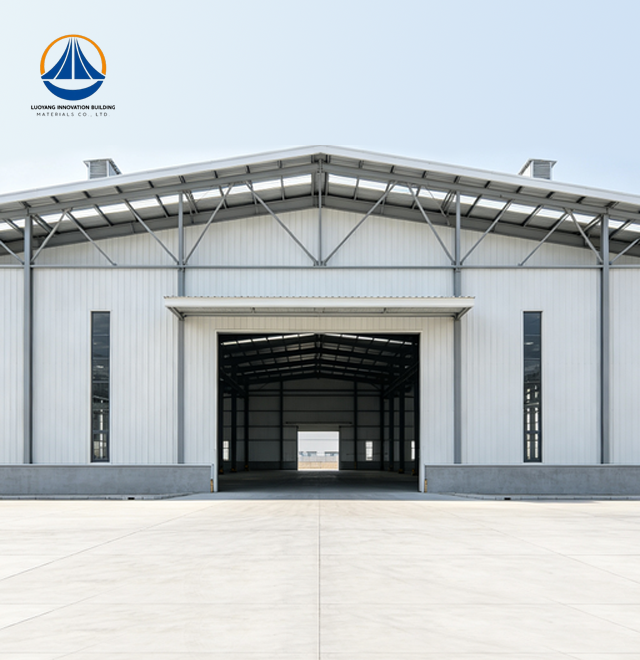
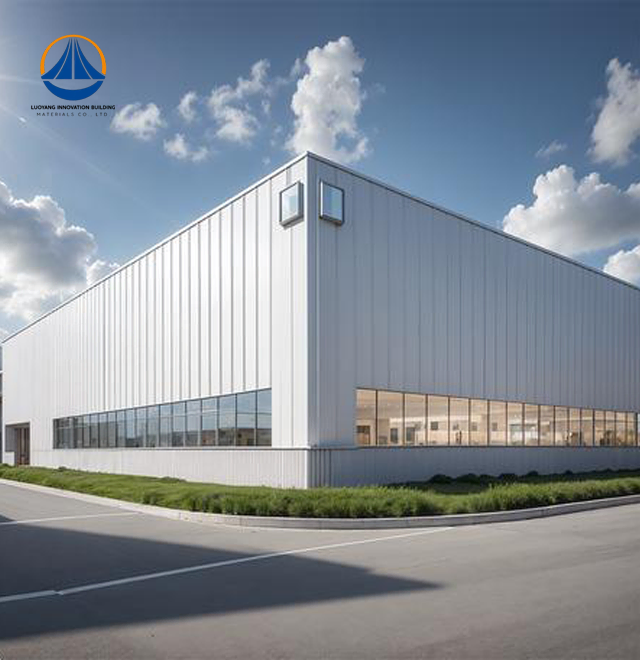
An industrial building with a doorway frame made of steel is the most common type along the coast. Our standard product is 180 meters long, has no columns inside, and is made of light galvanized purlins and coated galvanized steel cladding. Each side is open. The building meets the standards for fire safety (Class II), fireproofing (Class II), and protection to earthquakes (Class 7). Using bolted connections, prefabricated parts are put together on-site instead of using traditional concrete methods, which cuts the time it takes to build by 30% to 50%. This helps clients a lot who need to get work done quickly to get their money back.
Not only do steel frames that don't rust store things, but they also help keep production areas under control. Pharmaceutical companies and vaccine labs need cleanroom panels that are put into a building envelope that is physically sound and keeps water out. These panels must meet GMP standards. Walls in food processing plants need to be made of insulated sandwich panels that can handle being wet and being cleaned every day. Anti-static weather control and stable measurements are important for companies that make electronics and chips. Make sure that the steel structure below doesn't rust at all times so that the building stays clean for its whole life.
Steel is highly recyclable, and dry prefabricated construction methods can generate less on-site waste than conventional concrete construction, depending on the project design and building methods. An Anti-Rust Steel Structure combines these potential sustainability benefits with corrosion protection designed to extend the service life of steel components. Modern protective coatings may include water-based formulations and other low-VOC products that help reduce emissions during application without compromising performance when properly specified and applied. For an Anti-Rust Steel Structure, coating adhesion is an important quality indicator, and ISO 4624 provides a standardized method for measuring pull-off adhesion strength. A value above 5 MPa may be specified for certain coating systems, but the appropriate requirement depends on the coating manufacturer’s recommendations and the project specifications. For construction projects along the US coast, choosing suitable low-emission coatings and documenting the recyclability of structural materials can support environmental planning and permit applications where relevant. These measures can also contribute to environmental, social, and governance (ESG) reporting and green building certification efforts. When sourcing an Anti-Rust Steel Structure, buyers should review coating composition, VOC content, surface preparation procedures, adhesion test results, and expected service life to ensure that the proposed system meets both performance and environmental requirements. A well-specified Anti-Rust Steel Structure can help reduce premature corrosion and unnecessary replacement, supporting more efficient material use over the building’s lifetime. By combining recyclable steel, appropriate corrosion protection, and traceable environmental documentation, an Anti-Rust Steel Structure can contribute to a more durable and responsible construction strategy.
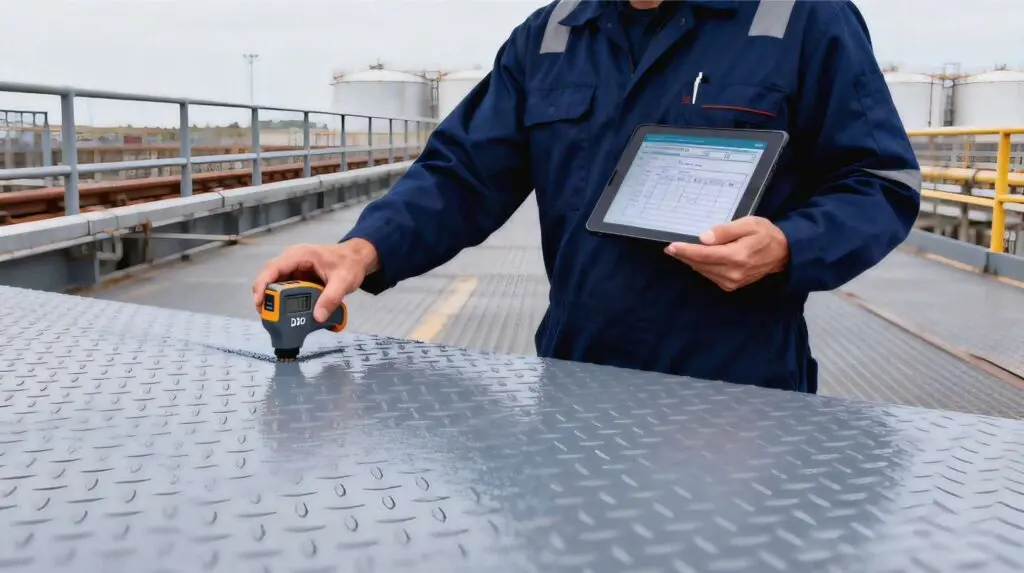
Set up a program to visually check coastal steel buildings at least once every six months. Inspectors should look for flaking off of the covering, chalking, rust spots at the places where fasteners go in, and damage to the weld zone. Magnets that use induction measure the amount of DFT that is still present and compare it to the design minimums. When coating failure is found early on, it can be fixed locally before it spreads to the base and costs go up. This is especially true at cut edges, drilled holes, and welded joints.
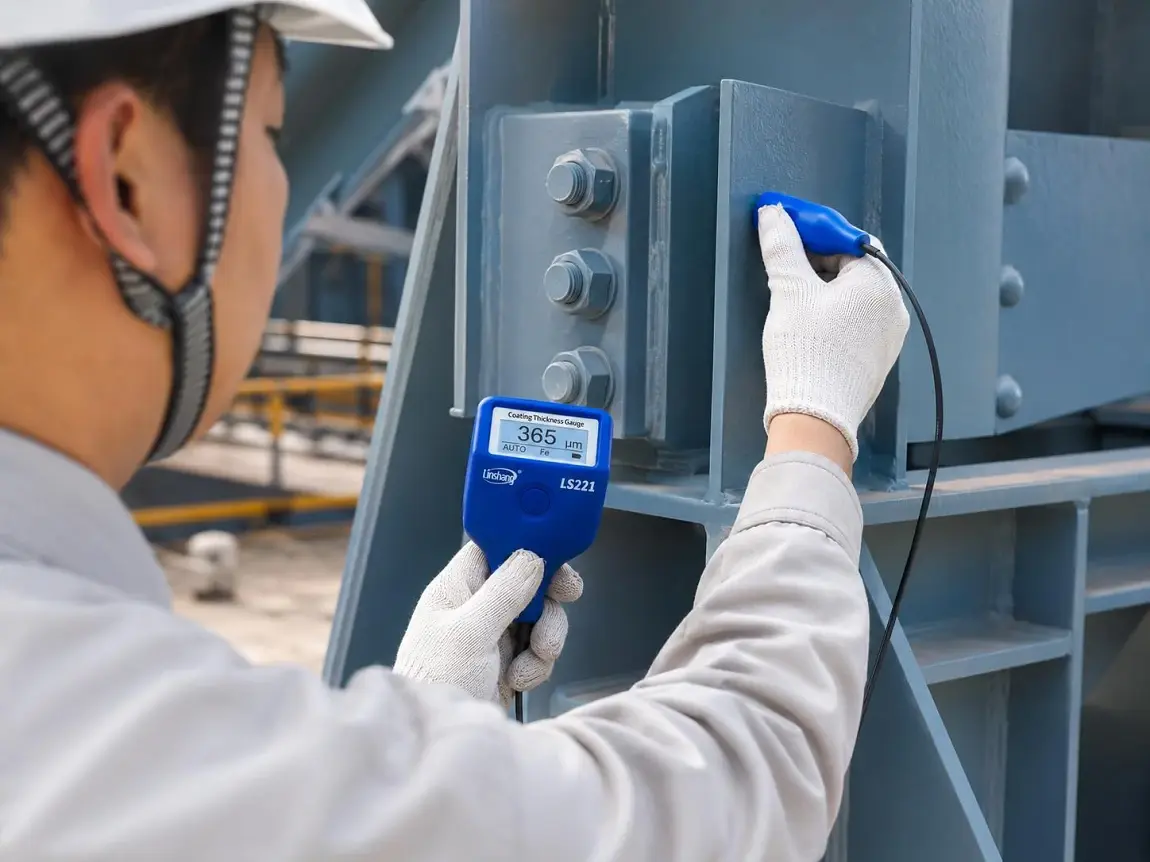
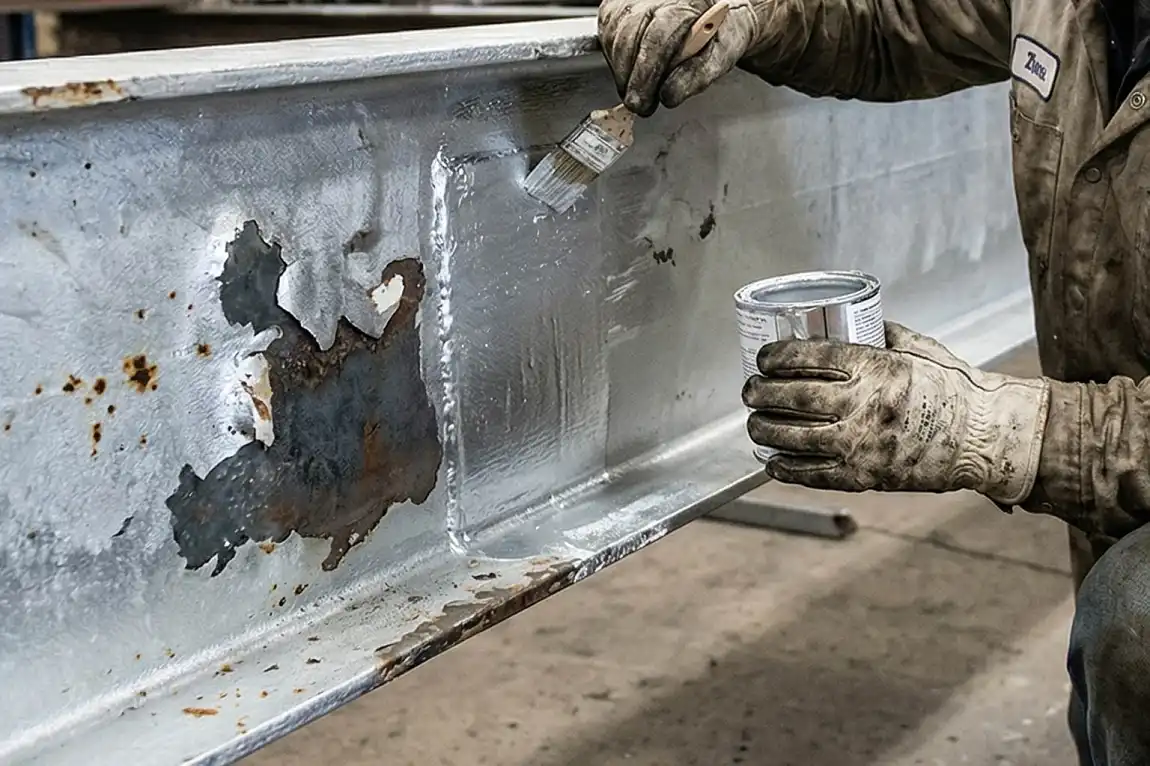
Cleaning regularly with low-pressure fresh water can get rid of the salt that builds up on coverings after storms. Cleaning with high-pressure water should not be done directly on coatings, as this can push water behind panel seams. The galvanized safety in the heat-affected zone is lost when welding or cutting is done on-site during building changes. To get the protective coat back, you need to use a cold galvanizing solution or an approved zinc-rich touch-up kit right away. People who work in the field often forget to do this important step, which lets areas rust too quickly.
To keep track of corrosion in each building, write down the dates of inspections, DFT readings, repair sites, and batch numbers for all touch-up coatings. This record helps when making warranty claims, renewing insurance, and figuring out how much maintenance will cost in the future. Hiring a professional coating inspection service that meets NACE/AMPP standards is an extra way for large or complicated facilities to get independent proof. This is very helpful for clients who work in the food and drug safety fields, where maintenance records are looked over by regulators.
Commercial buildings located near the coast face a measurable risk of salt spray corrosion, which can gradually damage exposed steel components and increase maintenance costs. Choosing an Anti-Rust Steel Structure with an appropriate corrosion protection system helps address these challenges and supports long-term structural durability. The effectiveness of an Anti-Rust Steel Structure depends on several factors, including the local marine environment, steel grade, surface preparation, coating specifications, and the quality of application. For coastal projects, selecting a suitable protective coating and working with a qualified surface treatment provider can help reduce corrosion risks and extend the service life of the building. Regular inspections and timely maintenance are also essential for preserving coating performance under continuous exposure to salt, moisture, and changing temperatures. Investing in an Anti-Rust Steel Structure may require additional upfront spending on protective treatments, but this investment can help reduce the frequency of repairs, repainting, and premature component replacement over the building's lifecycle. These benefits are particularly important for large equipment buildings, pharmaceutical facilities operating under Good Manufacturing Practice (GMP) requirements, and coastal food processing plants where structural reliability and hygienic conditions are critical. When evaluating an Anti-Rust Steel Structure, buyers should request coating specifications, inspection reports, surface preparation records, and relevant material certifications to verify that the proposed system meets project requirements. By combining suitable corrosion protection with professional engineering and planned maintenance, an Anti-Rust Steel Structure can provide dependable performance in demanding coastal environments while helping control long-term operating costs.
In a C4 coastal environment, a properly applied duplex system—HDG plus a polyurethane topcoat—typically delivers a first major maintenance interval of 25 years or longer. In C5-M high-salinity zones, that interval shortens to 15 to 20 years depending on DFT, surface preparation quality, and maintenance frequency. Annual inspections with prompt touch-up repairs extend service life significantly.
Hot-dip galvanizing provides a metallurgical zinc-iron bond offering sacrificial cathodic protection and superior abrasion resistance. Anti-rust paint systems offer greater flexibility in color, chemical resistance, and recoat accessibility. For most coastal industrial buildings, a duplex approach—galvanized substrate plus a topcoat—delivers the best balance of performance and lifecycle cost. Neither method alone matches the combined system's protection level.
Yes. Our portal frame structures support full dimensional customization. The standard 180 m × 68.9 m × 7.67 m warehouse configuration serves as a baseline, but span, width, eave height, roof pitch, and wall panel type are all adjustable. Roof and wall options include single-skin steel sheet or insulated sandwich panel. Our engineering team provides structural design, drawing breakdown, and detailed specifications for each unique project.
Request the ISO 12944 compliance certificate, DFT inspection report, and salt spray test records (ASTM B117) from your supplier. On delivery, perform a visual check for coating uniformity, white rust at cut edges, and holiday defects at weld zones. A magnetic induction gauge confirms DFT against design specifications. Our factory provides full documentation packages with every shipment.
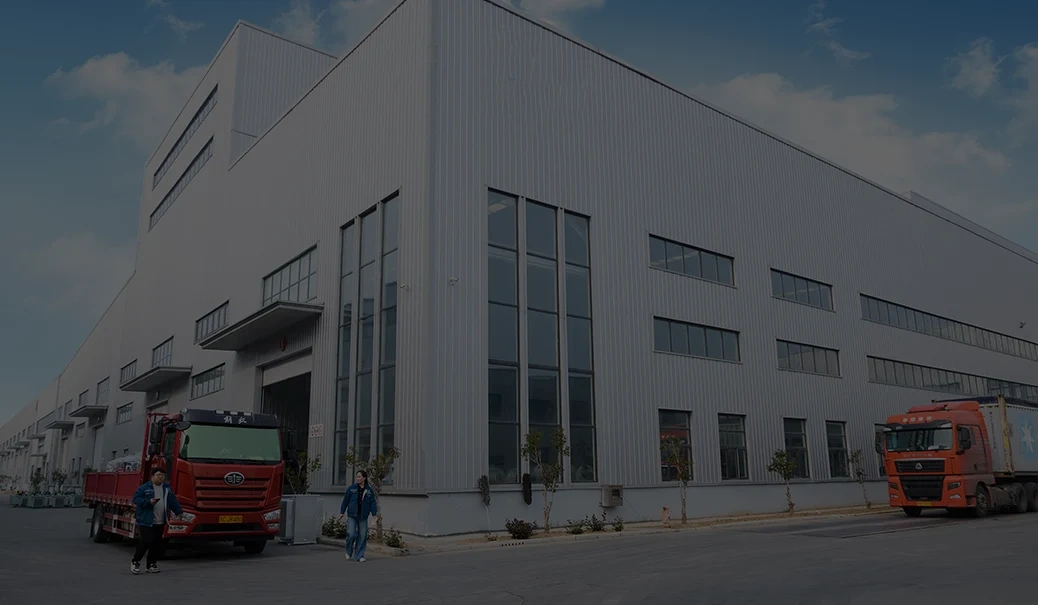
The production base of Luoyang Innovation Building Material Co., Ltd. is 50,000 m² and is ISO9001, CE, COC, and PVOC approved. Every year, the company makes 50,000 tons of steel buildings. As a reliable Anti-Rust Steel Structure supplier, it only takes us 60 days to make something. We help with planning, making, finishing the exterior, and installing. Because coastal industries need them, our buildings are made to meet Class II standards for safety, Class II standards for fireproofing, and Class II standards for seismic intensity. Send our team an email at eric@cxsteelstructure.com or go to innovationsteelstructure.com to get a project plan and price.
1. ISO 12944-2:2017 — Paints and Varnishes: Corrosion Protection of Steel Structures by Protective Paint Systems. International Organization for Standardization, 2017.
2. ASTM B117-19 — Standard Practice for Operating Salt Spray (Fog) Apparatus. ASTM International, 2019.
3. ASTM A123/A123M-17 — Standard Specification for Zinc (Hot-Dip Galvanized) Coatings on Iron and Steel Products. ASTM International, 2017.
4. Bhandari, J., Khan, F., Abbassi, R., Garaniya, V., & Ojeda, R. — Modelling of Pitting Corrosion in Marine and Offshore Steel Structures. Journal of Loss Prevention in the Process Industries, 2015.
5. Galvanizers Association of Australia — Duplex Systems: Combining Hot Dip Galvanizing and Paint. Galvanizers Association of Australia, 2020.
6. NACE International (now AMPP) — Corrosion Control in the Chemical Process Industries, 2nd Edition. NACE International Press, 2018.
March 18, 2024
Their steel structures are exceptionally strong and precisely manufactured. The entire production process was highly professional.
September 7, 2024
We were impressed by their advanced steel structure production line and excellent fabrication quality. The final products met our project requirements perfectly.
February 14, 2025
From structural design and detailing to fabrication and delivery, their technical team provided professional support throughout the project.
July 22, 2026
The steel structure components showed excellent precision, durability, and workmanship. Their reliable service gave us great confidence in the project.