March 18, 2024
Their steel structures are exceptionally strong and precisely manufactured. The entire production process was highly professional.
Oct 19, 2026
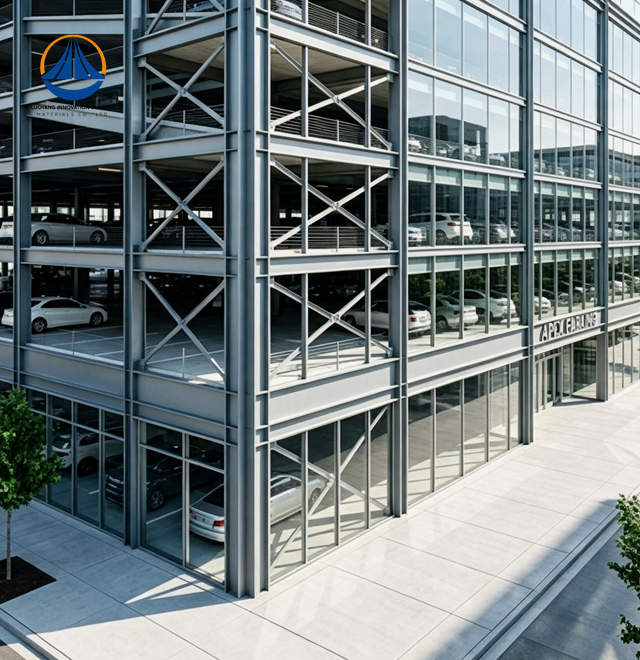
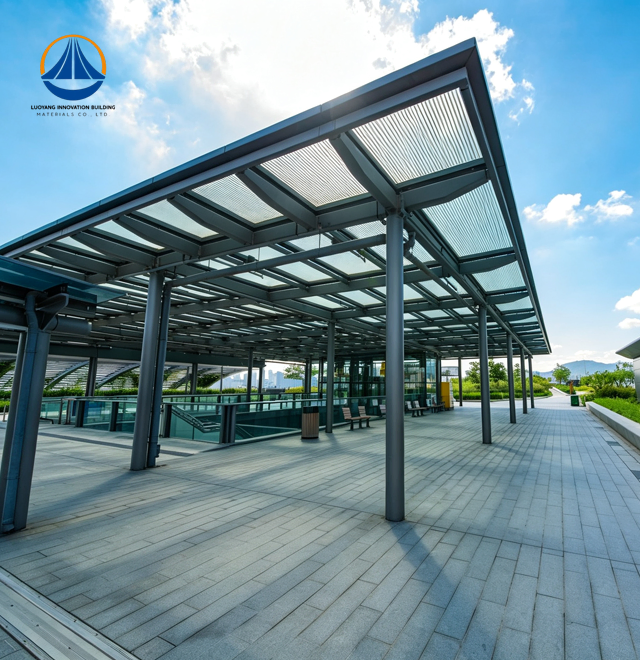
When large industrial construction projects demand performance that traditional materials simply cannot deliver, heavy steel structure systems step in as the proven answer. A heavy steel structure uses thick steel plates (typically exceeding 20mm) and large-section members—welded box columns, heavy H-beams, pipe trusses—to carry massive vertical and lateral loads across wide spans. From pharmaceutical manufacturing facilities to high-capacity warehouses, this structural system gives engineers and procurement managers the load capacity, dimensional precision, and construction speed that modern industrial projects require.
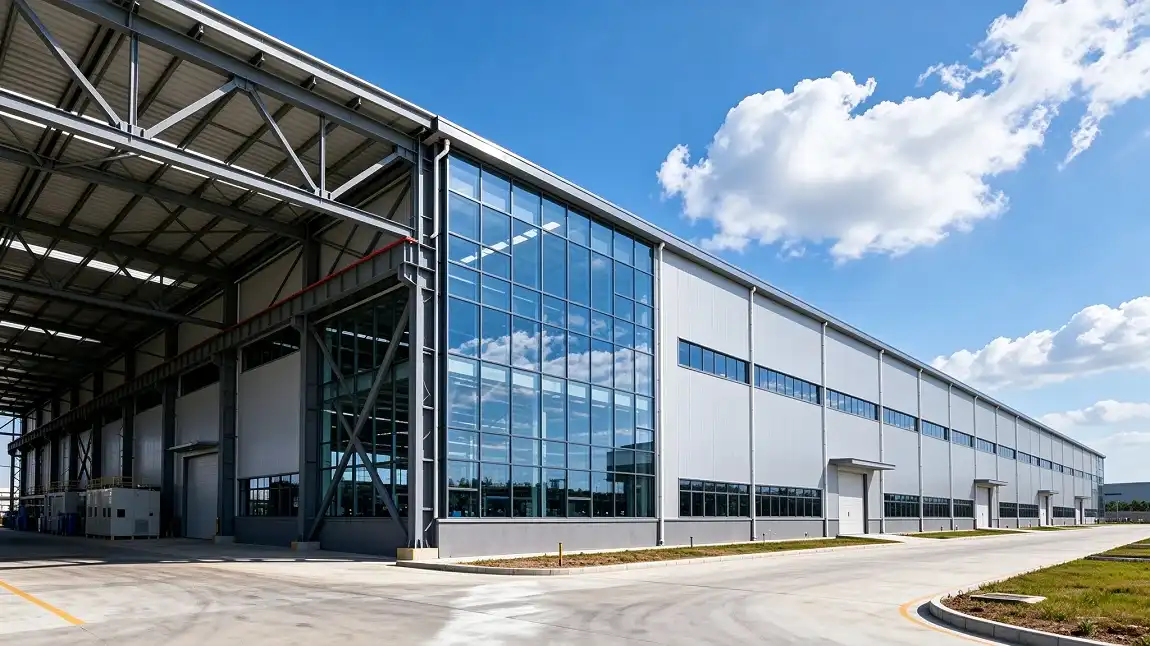
A Heavy Steel Structure is a type of engineering system made up of high-quality steel parts that are meant to hold up very heavy loads. Flats that aren't very tall use light-gauge steel systems. On the other hand, heavy structural steel is made up of hot-rolled and soldered pieces that can support over 40-meter-long spans without inner beams and 500-ton overhead cranes. Material types like Q355B/C/D, Q420, and Q460 are used a lot. All of these meet the requirements of Eurocode 3 or AISC 360.
First, earthquake and wind loads have to be calculated. This is the first step in sound design. Luoyang Innovation Building Material Co., LTD makes wide-span portal frame buildings that are made to meet standards for classification II fire safety, classification II seismic safety, and classification II seismic intensity safety. These standards are in line with international rules, and they give project teams confidence in how well the buildings will work in the long run.
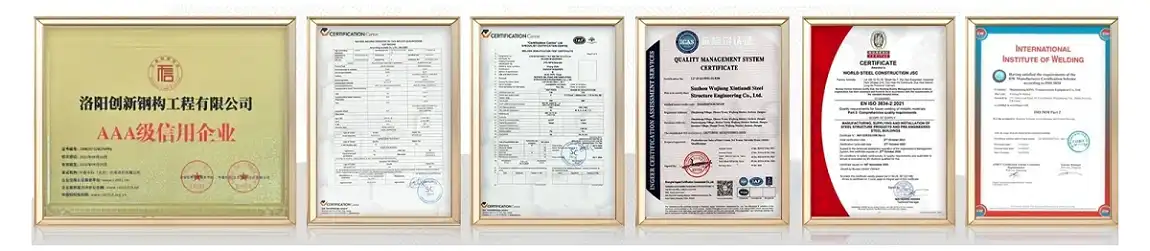
Certifications are important when you buy things from other countries. Material compliance certificates from ISO9001, CE, COC, PVOC, and ASTM are on the goods that Luoyang Innovation Building Material Co., LTD makes. Before it leaves the plant, these qualifications show that every H-section and square tubular steel member meets quality standards that have been written down.
Choosing the wrong structural material can cost a project months of rework and significant budget overruns. The table below summarizes how heavy structural steel compares against three commonly considered alternatives.
Steel construction cuts the project timeline by 30%–50% versus traditional concrete, according to industry benchmarks. Steel members are prefabricated off-site and bolted or welded on-site with no curing time, allowing owners to start operations—and recover capital—far earlier.
Light cold-formed steel is appropriate for residential and light commercial applications, but it cannot support the dynamic loads generated by industrial cranes, heavy processing equipment, or large-span roof systems. Heavy structural steel, being 30%–40% lighter than reinforced concrete under equivalent loads, still delivers load capacities that light-gauge alternatives cannot match.
Fire resistance is a critical consideration in industrial environments, where a Heavy Steel Structure must be designed to meet the project's required fire-safety performance. With suitable fire-protection systems, such as tested intumescent coatings or concrete encasement, a Heavy Steel Structure may achieve fire-resistance ratings of up to three or four hours, depending on the tested assembly, coating specifications, and applicable building codes. ASTM E119 provides a standard test method for evaluating the fire resistance of building construction and materials, but the actual rating must be supported by relevant test data for the specific assembly. Compared with unprotected steel, a fire-protected Heavy Steel Structure can maintain its load-bearing capacity for longer under specified fire conditions, helping support safe evacuation and emergency response. Timber framing and composite panel systems also have fire-performance characteristics that depend on their design, protective treatments, and supporting components. When specifying a Heavy Steel Structure for a factory, warehouse, or other industrial facility, project teams should verify the required fire-resistance period, protection system compatibility, installation quality, and inspection requirements. By incorporating appropriate fire protection from the design stage, a Heavy Steel Structure can meet project-specific safety objectives while supporting reliable long-term industrial use.
Getting buying right from the start saves time and keeps change orders that cost a lot from happening later. These are the things that buying managers and project engineers look for when they are looking for an industrial steel frame.
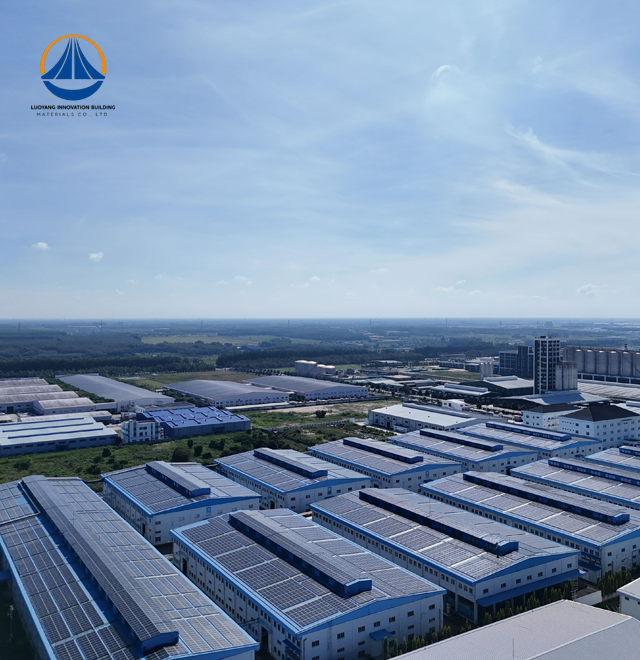
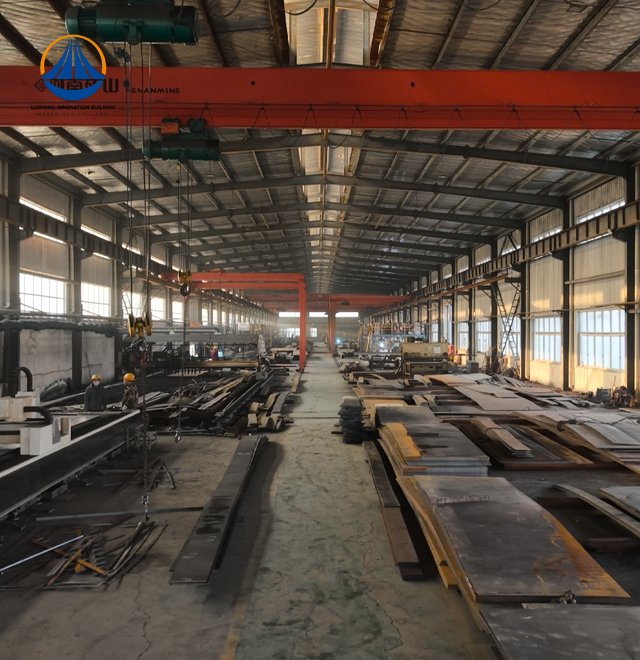
Check the welding procedure specs (WPS), procedure qualification records (PQR), material tracking records (MTRs), and ISO9001 register to see if the manufacturer is certified and able to make things. Luoyang Innovation Building Material Co., LTD has a line for making smart steel structures that can make 50,000 tons of steel each year. This makes sure that big projects always have enough supplies.
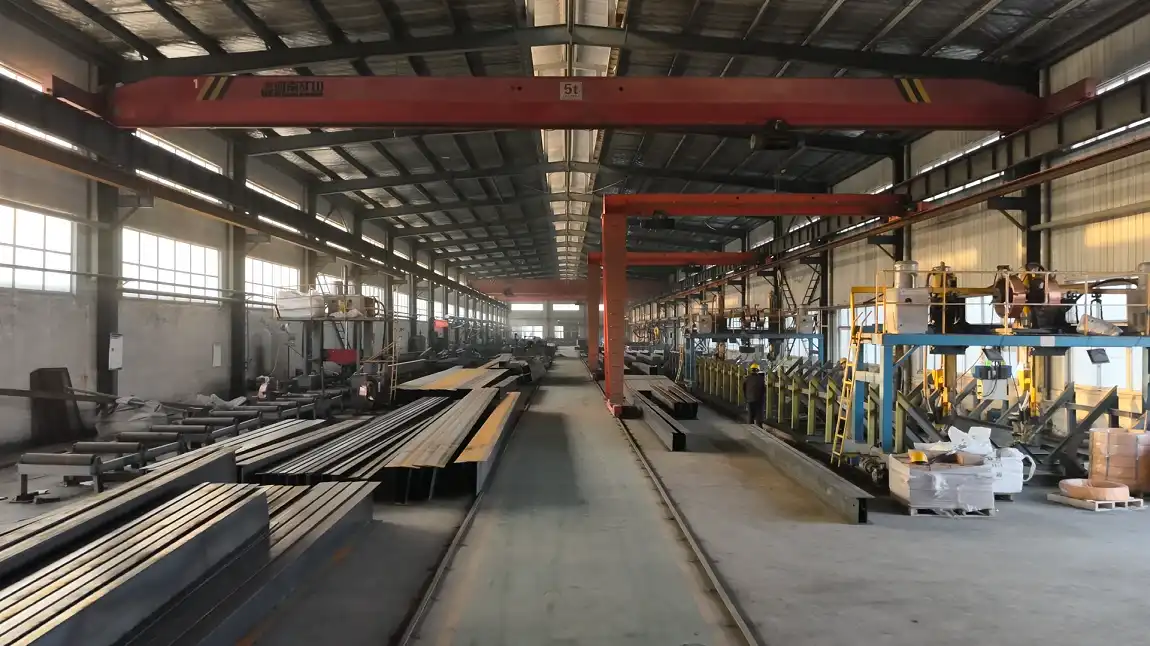
All the big parts are made in the factory using standard CNC methods before they are sent out. So, the quality and size ranges stay close. Following the detailed erection drawings that the fabricator sends them, crews put sections together on-site with bolts or welding. Since most of the work is done without wet conditions, bad weather doesn't cause too many delays, and the assembly goes as planned.
When buying managers and site engineers talk to each other a lot, there aren't any problems with the order of parts. Construction teams can plan crane lifts, concrete pad curing, and utility rough-ins all at the same time when they are given building models and manufacturing dates early on. This cuts weeks off of the overall timeline.
Building with steel frames is an investment that needs to be looked at every so often to protect it over time. These maintenance tasks are very important:
Wear, cracks, and the start of corrosion should be looked for in joints and welds once a year.
Using an abrasive blast to clean it up to the Sa 2.5 standard before recoating, and check the dry film thickness (DFT) to make sure the anti-corrosive paint system is still in good shape.
These steps in building maintenance keep the building's safety certificate up to date and make it last longer.
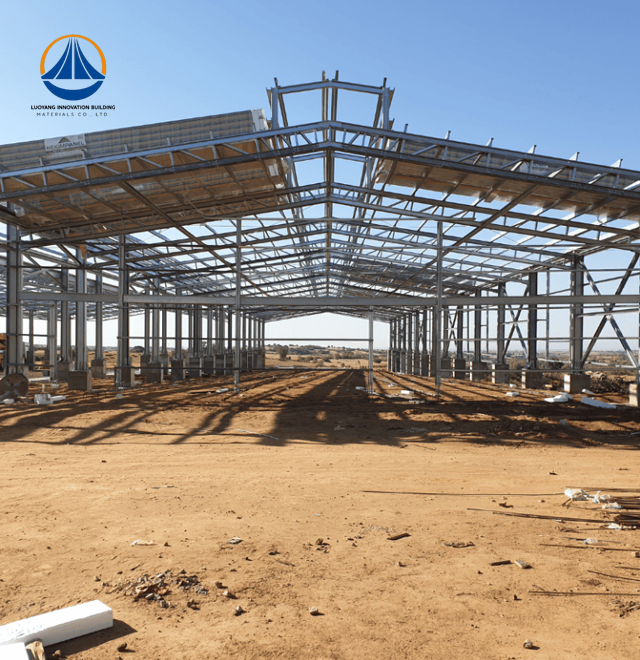
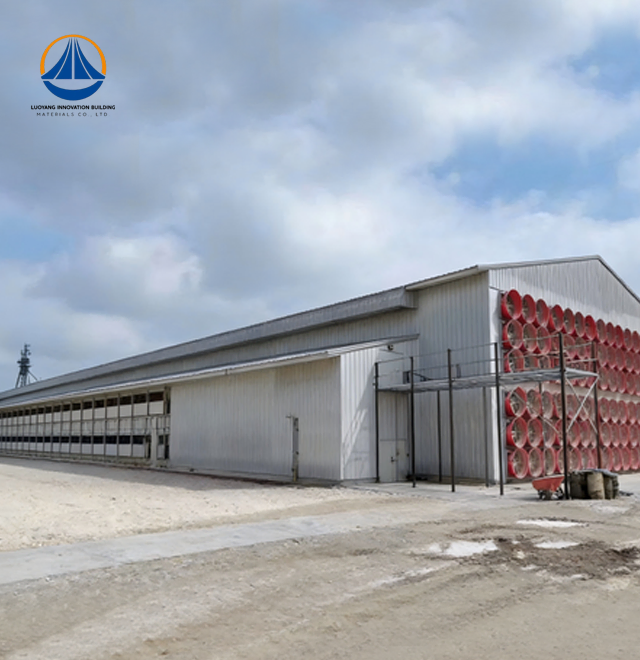
A Heavy Steel Structure was recently used in a wide-span portal frame warehouse covering 12,160 m², with dimensions of 180 m in length, 68.9 m in width, and an eave height of 7.67 m. Designed to provide a spacious interior with minimal or no intermediate columns, this Heavy Steel Structure features an H-section steel frame, galvanized purlins, and galvanized steel roof sheets. This configuration makes the building suitable for storing bulky goods, industrial equipment, and material-handling machinery. When planning a Heavy Steel Structure warehouse, owners can choose between single-skin steel sheets and insulated sandwich panels for the roof and walls, depending on their insulation requirements, budget, and intended use. Single-skin panels may suit storage areas with limited thermal-control needs, while insulated sandwich panels can help reduce heat transfer and improve indoor temperature stability. This flexibility allows the Heavy Steel Structure to accommodate changing operational requirements and potential future upgrades. By evaluating structural span, ventilation, insulation performance, corrosion protection, and equipment access during the design stage, businesses can ensure that their Heavy Steel Structure warehouse meets current storage needs while allowing room for future improvements.
The wide-span portal structure has steel frames made of H-section or square tube and metal purlins for storing heavy machinery. With ISO9001, CE, COC, and PVOC certifications, the buying team could show that they met all the requirements to get through customs and get permission from the local government. There were two problems that were fixed that often happen when projects are sent to other countries.
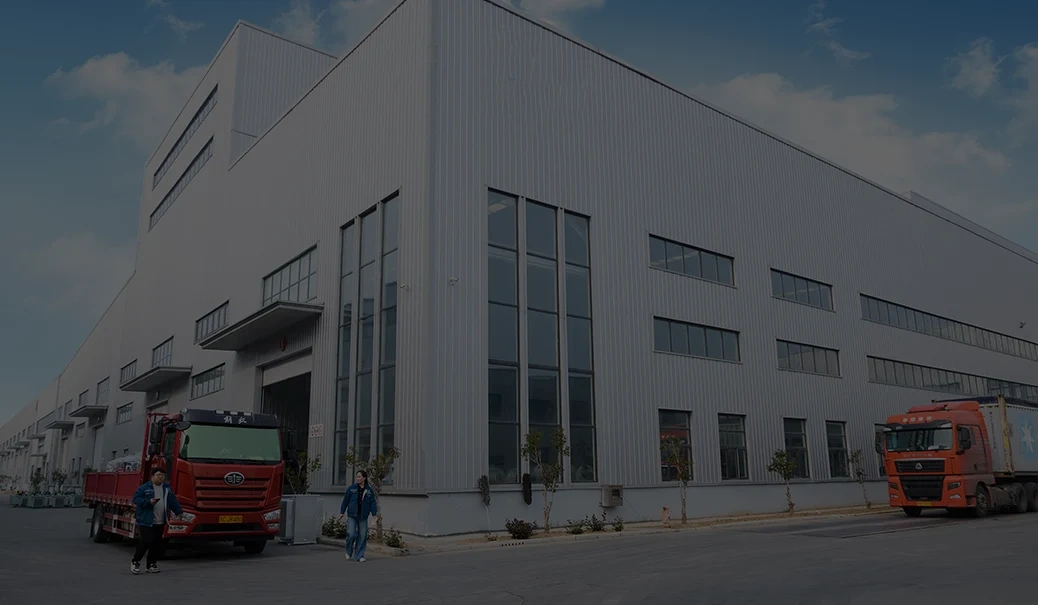
The owners of the projects that moved the fastest all hired a company that could design, make, package, treat the surface, and make plans for assembly all under one contract. There were contact issues when these jobs were given to different companies, which pushed back the due dates. It is always better to work with a company like Luoyang Innovation Building Material Co., LTD, which has a production base of 50,000 square meters and makes more than two million square meters of building materials every year.
When big factories are being built, the structure systems are under a lot of stress because the spans are long, heavy loads move around, and there are strict rules that must be followed. Heavy Steel Structure technology directly meets all of these needs when bought from a reputable company that follows approved processes and has in-house engineering support. It can be put together faster than concrete, hold more weight, has been tested for fire and earthquake resistance, and can be recycled completely when it's no longer useful. This makes structural steel the best material for warehouses, factories, and processing plants in the pharmaceutical, food, electronics, and logistics industries.
Luoyang Innovation Building Material Co., LTD. takes requests that are made just for you. 60 days pass between when the project is accepted and when the building materials arrive and are ready to be used. When the design was made, how it was finished, and how it was packed are all shown on this timeline.
You should ask for an ISO9001 quality management approval, a CE mark, and ASTM material compliance papers at the very least.
Steel is good for absorbing the energy of an earthquake because it is uniform and easy to shape. When Luoyang Innovation Building Material Co., LTD builds portal frame buildings, they make sure they can withstand an earthquake strength of 7. This is higher than most brick-and-concrete buildings can do.
Yes. People who own homes can pick between insulated sandwich panels and single-skin steel sheets for their roof and wall systems. This lets them meet the insulation needs of places like pharmacies, food processing plants, and cold storage.
Ultrasound (UT) or X-rays (RT) are used to check critical full-penetration groove welds. Records are kept for each project lot that show how to trace ingredients and how to weld.
You can trust Luoyang Innovation Building Material Co., LTD to make Heavy Steel Structures. Every year, they can work with 50,000 tons of steel and provide full in-house services, such as planning, manufacturing, and installation support. Our team is ready to look over your project needs and make you a detailed proposal, whether you need an industrial building or a warehouse that's 12,000 m². Send us an email at eric@cxsteelstructure.com or visit innovationsteelstructure.com to start the process of answering your question.
1. American Institute of Steel Construction (AISC). Steel Construction Manual, 16th Edition. AISC, 2023.
2. Gorenc, B., Tinyou, R., & Syam, A. Steel Designers' Handbook, 8th Edition. UNSW Press, 2012.
3. Kulak, G. L., & Grondin, G. Y. Limit States Design in Structural Steel, 9th Edition. Canadian Institute of Steel Construction, 2010.
4. Duggal, S. K. Design of Steel Structures, 4th Edition. McGraw-Hill Education, 2014.
5. International Organization for Standardization. ISO 12944: Paints and Varnishes — Corrosion Protection of Steel Structures by Protective Paint Systems. ISO, 2018.
6. Federal Emergency Management Agency (FEMA). FEMA P-751: NEHRP Recommended Seismic Provisions for New Buildings and Other Structures. FEMA, 2020.
March 18, 2024
Their steel structures are exceptionally strong and precisely manufactured. The entire production process was highly professional.
September 7, 2024
We were impressed by their advanced steel structure production line and excellent fabrication quality. The final products met our project requirements perfectly.
February 14, 2025
From structural design and detailing to fabrication and delivery, their technical team provided professional support throughout the project.
July 22, 2026
The steel structure components showed excellent precision, durability, and workmanship. Their reliable service gave us great confidence in the project.