
March 18, 2024
Their steel structures are exceptionally strong and precisely manufactured. The entire production process was highly professional.
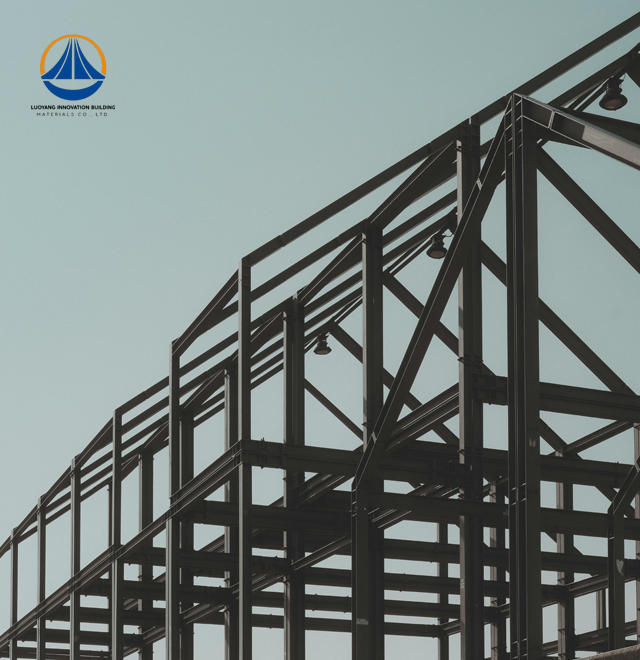
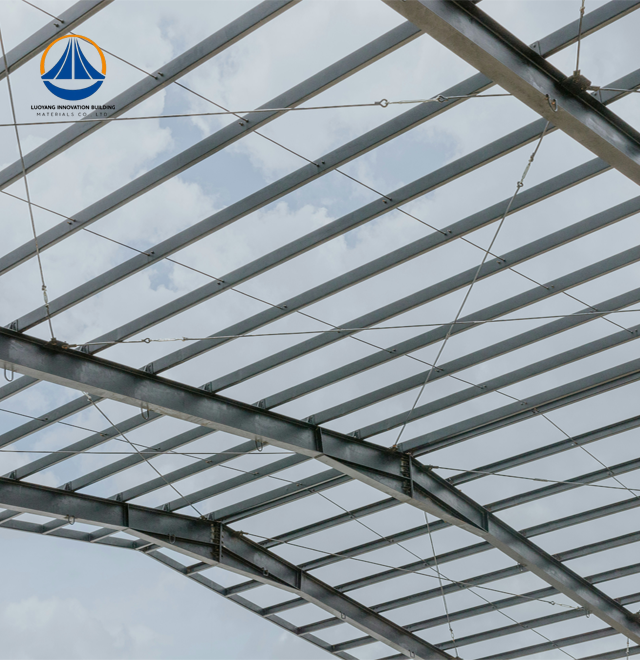
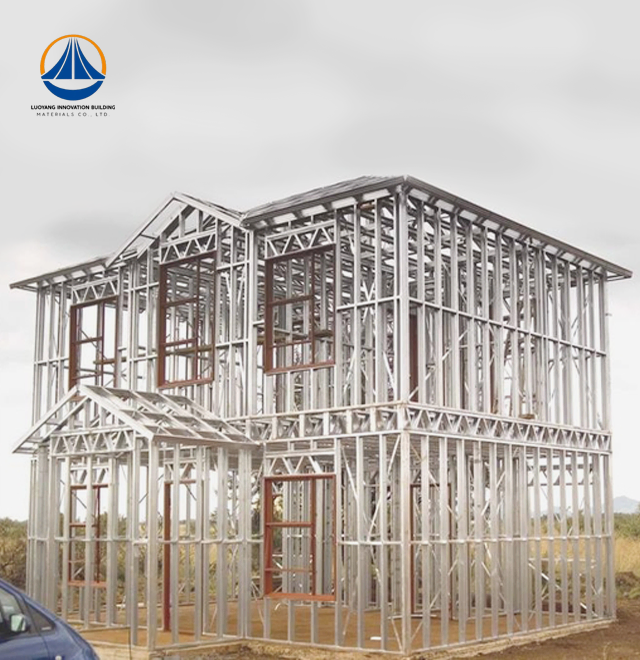
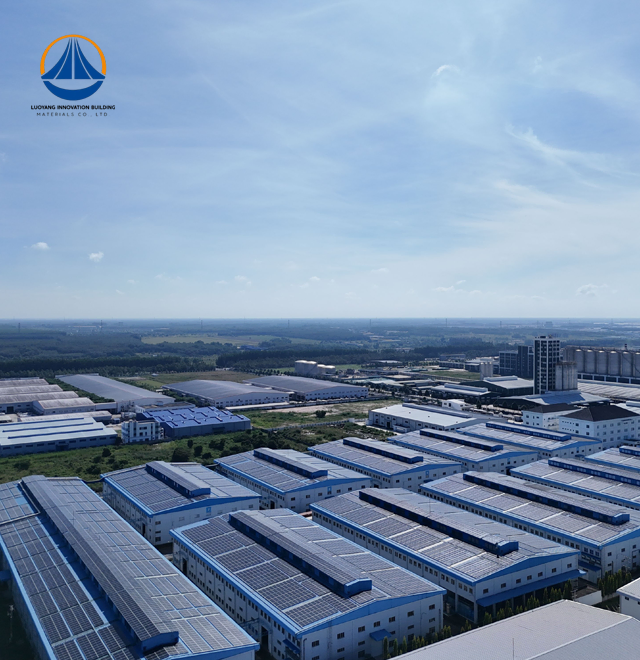
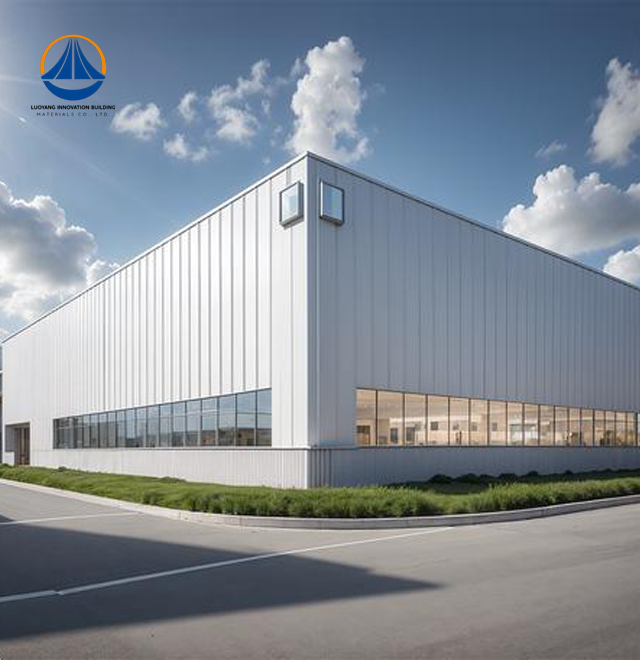
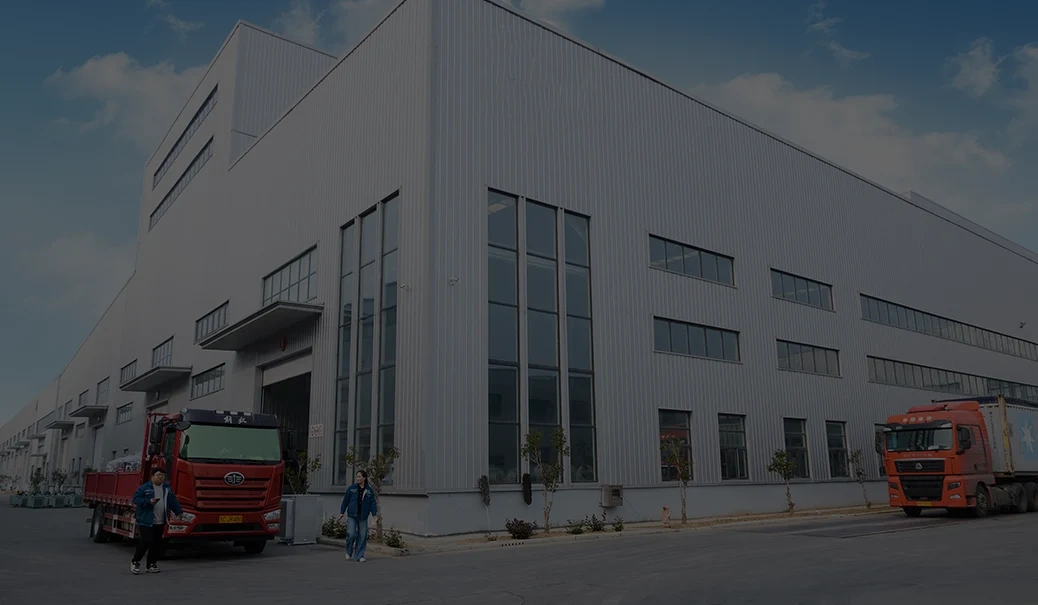
Enterprise-grade Anti-Rust Steel Structure systems designed for maximum endurance in demanding situations are Luoyang Innovation Building Material Co., LTD's specialty. We combine precision anti-corrosion treatments with intelligent manufacturing technology, operating from a 50,000-square-meter production site with an annual steel construction capacity of 50,000 tons. Hot-Dip Galvanizing (HDG) techniques and high-performance coating systems are features of our Steel Structure solutions that ensure a service life of more than 30 years under C4/C5 corrosive circumstances. Following strict Sa 2.5 surface preparation and multi-layer protection, each component's Dry Film Thickness (DFT) is carefully regulated between 85μm and 300μm in accordance with ISO 12944 requirements.
When exposed to dampness, industrial pollutants, or chloride-rich environments, traditional carbon steel buildings deteriorate quickly. Within five to ten years, there may be expensive maintenance cycles and structural problems.
By using cutting-edge metallurgical bonding, our corrosion-resistant steel buildings remove these worries. While specialized epoxy coatings provide an impermeable barrier against chemical attacks, the galvanized layer offers sacrificial defense.
Lower lifecycle costs will be advantageous to you. Our treated structures retain their integrity for decades with no maintenance, whereas ordinary steel needs to be repainted every three to five years.
The manufacturing process is very important. We use state-of-the-art intelligent production lines that guaranty dimensional accuracy within ±2mm tolerance. Prior to assembly, each beam, column, and purlin undergoes factory-controlled treatment.
| Parameter | Specification |
|---|---|
| Standard Project Size | 12,160 m² (customizable) |
| Typical Dimensions | 180 m (L) × 68.9 m (W) × 7.67 m (H) |
| Eave Height | 7.67 m (adjustable) |
| Coating System | HDG + Epoxy/Polyurethane Duplex |
| Corrosion Resistance | C4/C5 category per ISO 12944 |
| Seismic Performance | Intensity 7 resistance |
| Fire Rating | Class II fireproof standard |
| Safety Classification | Class II structural safety |
| Production Lead Time | 60 days post-contract |
| Service Life | 30-50 years in harsh environments |
Marine and Coastal Projects
Saltwater environments accelerate oxidation exponentially. Our Anti-Rust Steel Structure withstands continuous exposure to high-salinity mist in port facilities, offshore platforms, and seaside warehouses. The zinc-aluminum coating provides C5-M level protection against pitting corrosion.
Chemical Processing Plants
Unprotected steel is constantly attacked by alkaline chemicals and acidic gasses. You require specific resistance. Even in harsh industrial environments, our structures' phenolic-modified epoxy systems retain adhesion strengths more than 5 MPa.
Agricultural Infrastructure
Livestock facilities and fertilizer storage buildings face unique challenges. Ammonia from organic waste creates highly corrosive conditions. Standard steel fails within 36 months. Protected frameworks extend operational life by 10x.
Equipment Warehousing
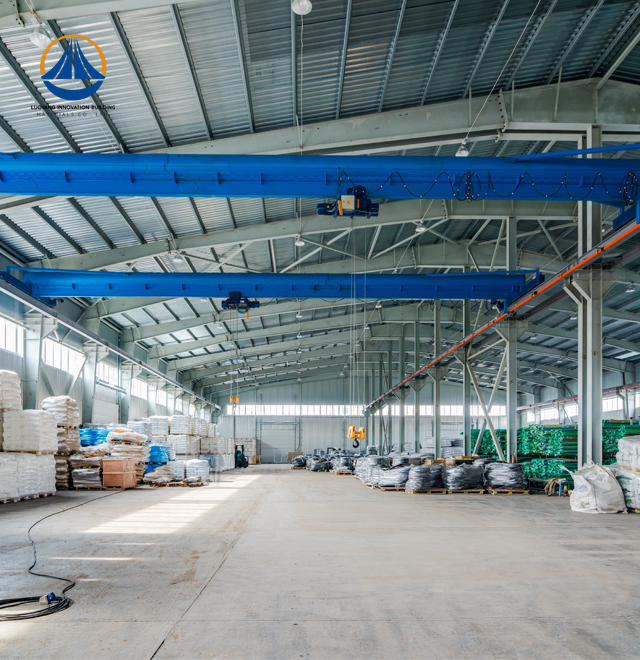
Heavy machinery storage requires robust overhead cranes and wide-span designs. Our portal frame systems deliver column-free spaces up to 68 meters wide while maintaining structural integrity through thermal cycling and mechanical stress.
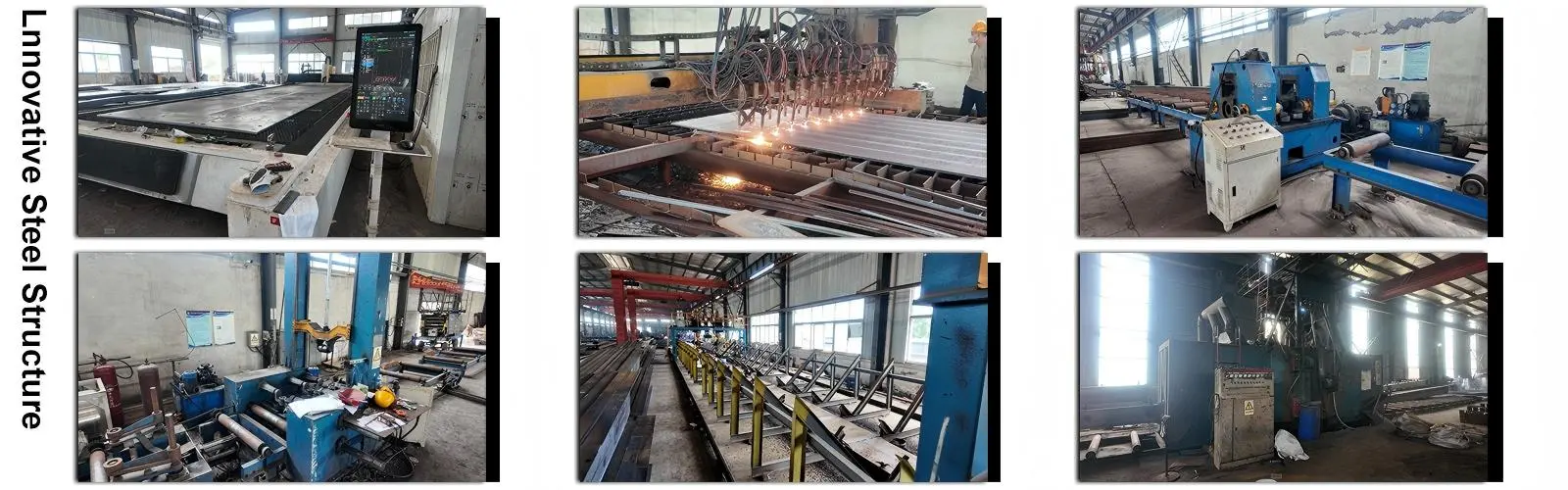
Surface preparation determines coating performance. We achieve Sa 2.5 near-white metal blast cleaning before any protective layer application. This removes mill scale, rust, and contaminants down to bare substrate.
Hot-dip galvanizing follows precise metallurgical protocols. Steel components submerge in molten zinc at 450°C, creating an alloy layer that bonds permanently to the base metal. Thickness ranges from 85μm to 120μm depending on steel section size.
Duplex systems add secondary barriers. After galvanizing cures, we apply epoxy primers and polyurethane topcoats. This combination delivers synergistic protection—the total system life exceeds either treatment alone by 150%.
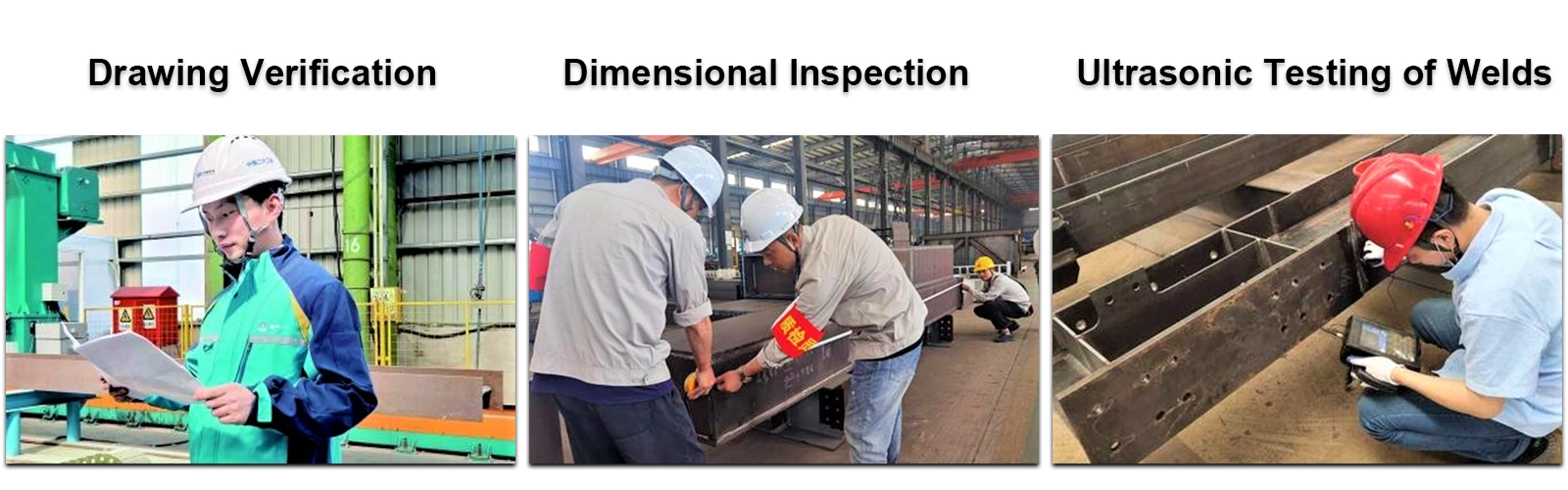
Quality verification happens at multiple checkpoints. Dry Film Thickness gauges measure coating uniformity. Holiday detectors identify microscopic pinholes. Salt spray chambers simulate 5,000+ hours of environmental exposure before any component leaves our facility.
Prefabricated construction methodology transforms project timelines. You'll see 40% faster completion compared to concrete alternatives. Factory-manufactured components arrive site-ready with pre-drilled connections and finished surfaces.
Foundation costs drop significantly. Steel's strength-to-weight ratio means lighter loads transfer to ground supports. You're saving 25-35% on earthwork and concrete footings.
Interior flexibility increases your asset value. Column-free spans ranging from 40 to 80 meters accommodate changing operational needs without structural modifications. Reconfigure production lines or storage layouts without engineering reviews.
Recycling potential matters for sustainability goals. At end-of-life, steel recovers 100% recyclability. Demolition generates minimal waste. Components can be relocated and reassembled at new sites.
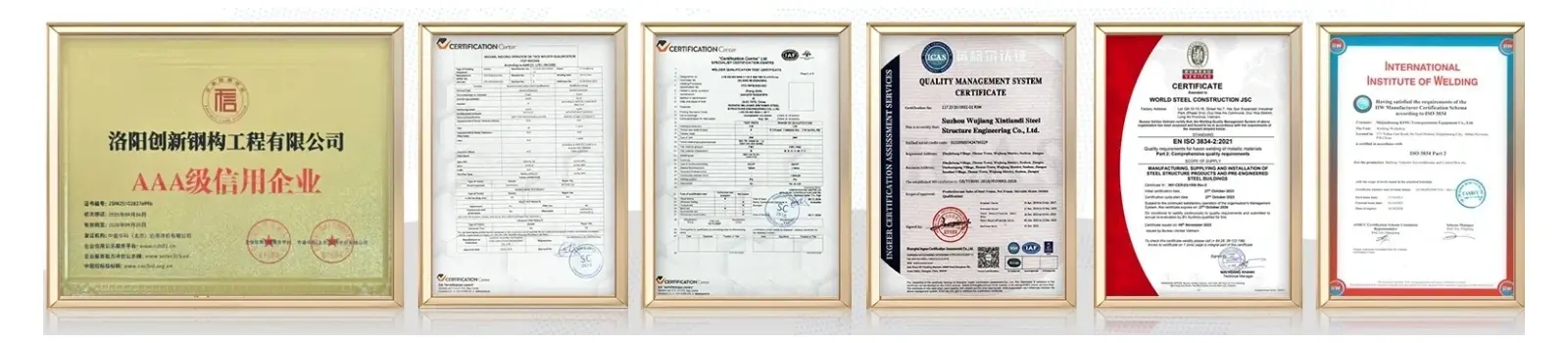
Every Steel Structure ships with comprehensive certification packages. ISO 9001 quality management documentation traces material origins and processing steps. CE marking confirms European safety directive compliance.
Material certificates verify steel grade chemistry. Mill test reports show tensile strength, yield points, and carbon equivalents. Coating manufacturers provide batch-specific technical data sheets.
Third-party inspection validates critical parameters. Independent labs perform adhesion pull-off tests, impact resistance measurements, and accelerated weathering trials. Reports accompany shipment documentation.
You receive detailed installation drawings prepared by experienced engineers. Bolt torque specifications, welding procedures, and connection sequences ensure field assembly maintains factory quality standards.
Q: What distinguishes galvanizing from anti-rust painting on steel structures?
A: Galvanizing creates a metallurgical zinc-iron alloy bond that sacrifices itself to protect base steel. It withstands abrasion better during transport and installation. Specialized paints offer superior resistance to specific chemicals like sulfuric acid or caustic soda in industrial environments.
Q: How long before the first major maintenance cycle?
A: In typical urban-industrial (C3) conditions, properly applied duplex systems maintain protection for 20-25 years minimum. Harsh chemical or marine (C5) environments may require inspection after 15 years, but not necessarily recoating.
Q: Can welding be performed during site assembly?
A: Yes, field welding is permissible for connections. Heat-affected zones require immediate touch-up using zinc-rich cold galvanizing compounds rated to 95% zinc content. Application must occur within 4 hours of weld completion.
Q: Does corrosion treatment alter steel mechanical properties?
A: No. Coating processes operate below steel's critical temperature thresholds. Yield strength, tensile capacity, and ductility remain unchanged. Structural calculations use base material properties without derating.
Q: How do I verify treatment quality upon delivery?
A: Request ISO 12944 compliance certificates showing corrosivity category and expected durability. Check DFT reports confirming minimum thickness at multiple measurement points. Visually inspect for coating uniformity and absence of white rust or blistering.
Q: What happens if coating damage occurs during installation?
A: Minor scratches under 25mm² repair easily with two-component zinc-rich primers. Larger damage requires professional reapplication following manufacturer protocols. We supply touch-up kits with every shipment.
Luoyang Innovation Building Material Co., LTD brings integrated design, manufacturing, and construction expertise to your project. Our 50,000-ton annual production capacity ensures timely delivery even for large-scale developments.
Ready to discuss your Anti-Rust Steel Structure building requirements? Contact our engineering team at eric@cxsteelstructure.com for customized solutions, technical specifications, and project planning support.
March 18, 2024
Their steel structures are exceptionally strong and precisely manufactured. The entire production process was highly professional.
September 7, 2024
We were impressed by their advanced steel structure production line and excellent fabrication quality. The final products met our project requirements perfectly.
February 14, 2025
From structural design and detailing to fabrication and delivery, their technical team provided professional support throughout the project.
July 22, 2026
The steel structure components showed excellent precision, durability, and workmanship. Their reliable service gave us great confidence in the project.