
March 18, 2024
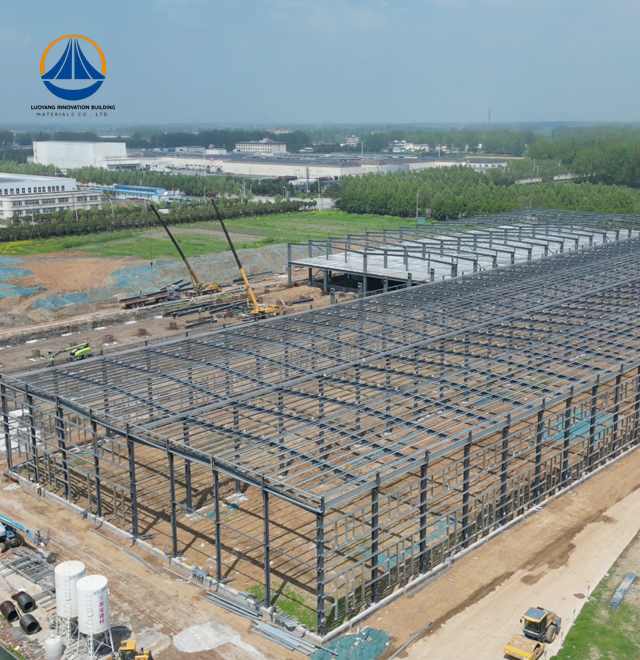
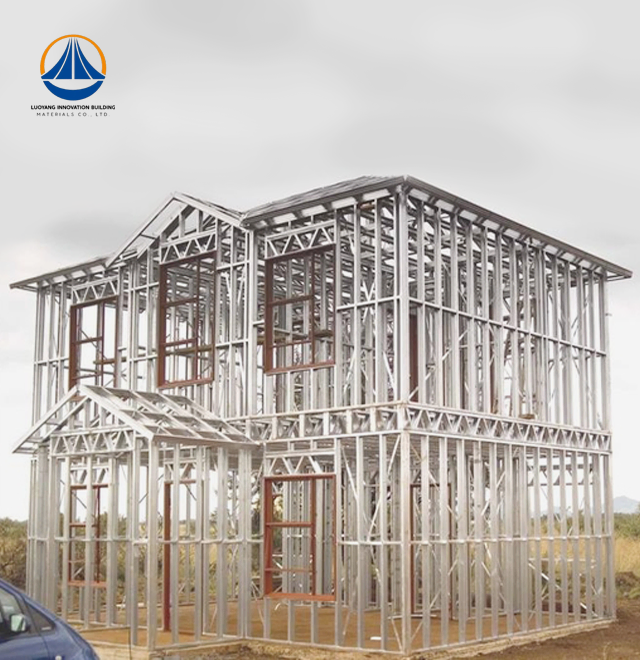
Their steel structures are exceptionally strong and precisely manufactured. The entire production process was highly professional.
Oct 23, 2026
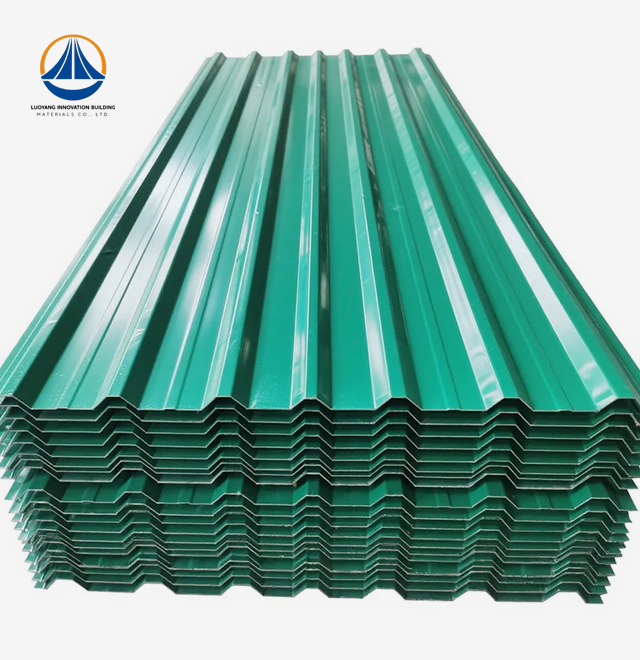
To choose the right Color-Coated Steel Sheet for places that are likely to rust, you must first understand the environment and match it with the right coating system, substrate grade, and zinc weight. Pre-painted steel with a zinc coating weight of 30–275 g/m² is a good way to protect things in places with a lot of humidity, near the coast, or with harsh chemicals. Coating resin type (PE vs. PVDF), base metal thickness (0.2–0.6 mm), and compliance with standards like ASTM or ISO 9001 are some of the most important things to think about when making a choice. Making the right choice protects the structure, cuts down on maintenance, and lowers long-term costs by a large amount.
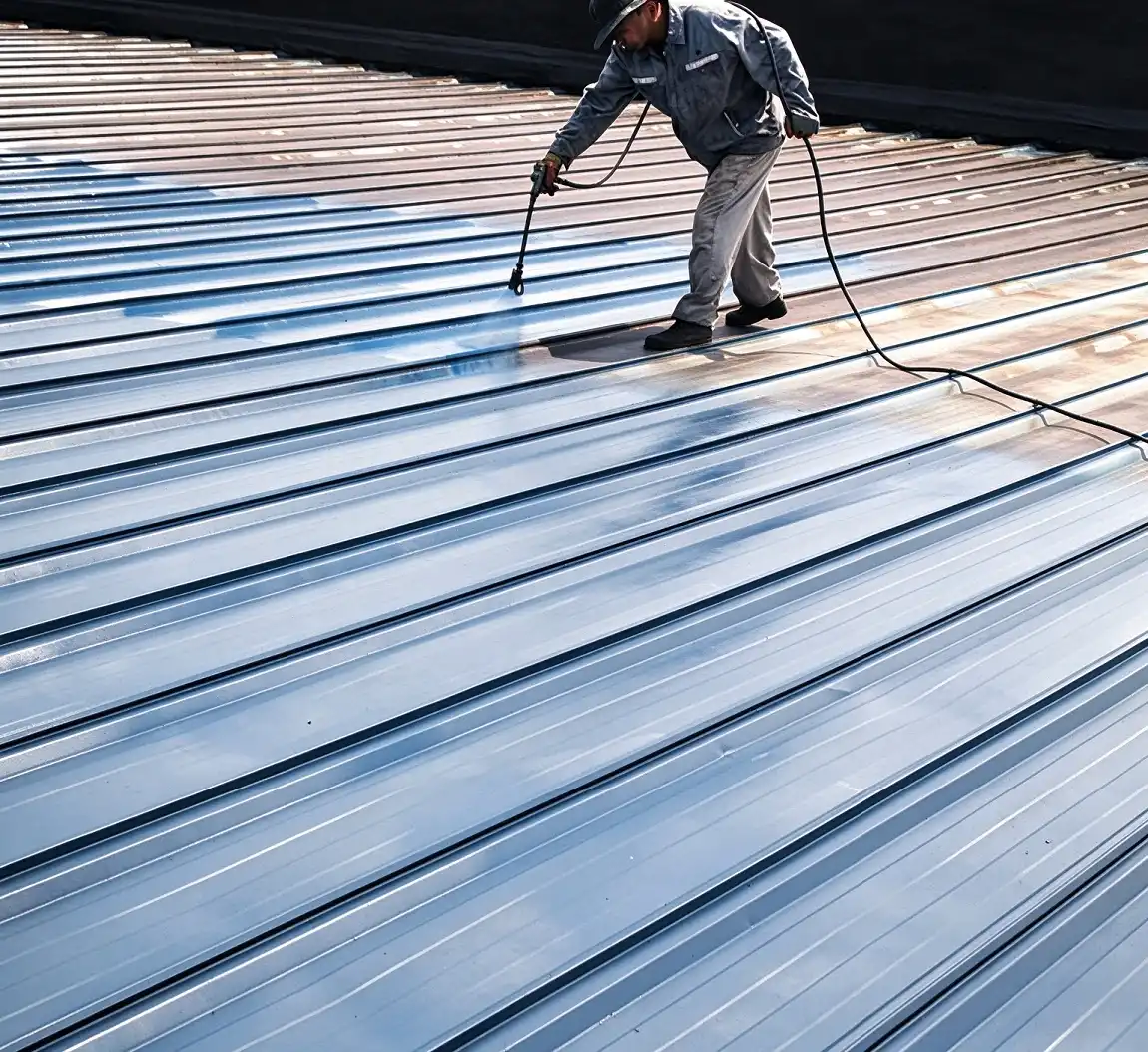
It takes time for things to wear out. It builds up slowly because steel surfaces that aren't sealed off are worn down by natural forces.
Weather changes, water, salt in the air, and chemicals used in industry are the four main things that cause corrosion. Humidity stays in places that get washed a lot, like food processing plants and drug plants. Coastal construction sites have to deal with air that is full of salt, which makes normal coverings wear out very quickly.
Corrosion costs the U.S. economy about $276 billion a year, according to NACE International, which is now called AMPP. When panels break too soon, companies have to deal with unplanned downtime, breaking the rules, and expensive structural repairs that cost a lot more than the materials themselves.
A color-coated steel sheet provides corrosion protection through a combination of metallic coating and organic paint layers. The zinc or Galvalume base coating helps protect the underlying steel by forming a barrier and, in the case of zinc, providing sacrificial protection against corrosion. The organic finish adds another protective layer that helps limit exposure to moisture, oxygen, and other corrosive substances. For a color-coated steel sheet, the performance of this combined coating system depends on the substrate preparation, metallic coating thickness, paint type, film thickness, and quality of application. ISO 12944 provides guidance on selecting protective paint systems for different atmospheric corrosivity categories, including C4 and C5 environments, but the appropriate protection level must be determined according to the specific coating system and service conditions. Compared with uncoated steel, a properly specified color-coated steel sheet can offer improved resistance to environmental exposure and reduce maintenance requirements. When evaluating a color-coated steel sheet for industrial buildings, warehouses, roofing, or wall cladding, buyers should review technical data sheets, coating specifications, and relevant corrosion-resistance test results. Choosing the right color-coated steel sheet also requires consideration of UV exposure, humidity, salt spray, chemical contact, and expected service life. By matching the coating system to the actual operating environment, project teams can improve the durability and appearance of a color-coated steel sheet while helping protect the steel substrate from premature corrosion.
In harsh conditions, not all coated steel products work the same way. There are three main technical factors that determine which option is best.
In normal conditions, standard polyester (PE) coats last between 7 and 10 years. Polyvinylidene Fluoride (PVDF) coatings, by comparison, exceed 20–25 years due to fluoropolymer bonds that resist UV degradation and chemical attack. Professionals say that PVDF is the best material for pharmaceutical cleanrooms or industrial buildings near the coast.
When installed, thicker steel substrates can handle more mechanical loads and don't get damaged easily. A zinc covering weight of at least 120–275 g/m² is recommended for uses that are likely to rust. Products that meet the standards set by ASTM, AISI, SGCC, CGCC, and TDC51DZM have consistent mechanical strength and can resist corrosion for a long time.
The finish on the surface affects both how well it works and how much care it needs. Smooth finishes work well in cleanrooms and food-grade areas where bacterial growth needs to be kept to a minimum. Roofing applications that use textured finishes make them less likely to slip. Different panel profiles can be accommodated by widths ranging from 750 mm to 1250 mm, and custom lengths cut down on waste caused by cutting on-site.
The main features of the products that Luoyang Innovation Building Material Co., LTD sells are listed below:
These specifications cover a wide range of project needs, from lightweight cladding for the inside of buildings to heavy-duty industrial roofing in areas where chemicals are dangerous. The product is made from cold-rolled steel that has a protective coating applied to the surface. All lengths are made to order, which gives project teams precise control over the amount of material they need.
Before selecting a color-coated steel sheet, procurement managers should compare several important factors, including corrosion resistance, durability, appearance, maintenance requirements, and total lifecycle cost. A color-coated steel sheet is a popular choice for roofing, wall cladding, industrial buildings, and commercial facilities because it combines a protective metallic coating with a pre-applied organic finish. However, buyers should also evaluate common alternatives to a color-coated steel sheet, such as uncoated steel that is painted after fabrication, galvanized steel, Galvalume steel, and aluminum sheets. Each option offers different advantages depending on the operating environment, project budget, and required service life. For example, a properly specified color-coated steel sheet can reduce the need for on-site painting, while galvanized steel may be suitable for applications where a painted finish is not essential. When comparing a color-coated steel sheet with alternative materials, procurement teams should review coating thickness, paint system, substrate quality, forming requirements, and resistance to UV exposure and moisture. They should also request technical data sheets and relevant quality inspection records to verify that the product meets project specifications. By evaluating these alternatives carefully, buyers can determine whether a color-coated steel sheet provides the best balance of performance, appearance, installation efficiency, and long-term value for their project.
The only thing that protects galvanised steel is a layer of zinc. If you scratch or cut that layer, the main metal shows through. Steel that has already been painted adds an organic layer on top of the zinc, making a second barrier. When tested with salt spray according to ASTM B117, color-coated products always last longer without rusting than plain galvanised ones.
While stainless steel is very resistant to corrosion, it costs a lot more to make—sometimes three to five times as much per square metre. Pre-painted steel offers the same level of surface protection at a much lower cost for large-scale industrial construction, pharmaceutical facilities, or food preparation plants that need to keep costs down.
Since post-painting is done after manufacturing, coverage around cut edges and weld zones isn't always even. Steel that has already been painted is treated in a controlled factory process using a continuous coil. This makes the film thickness the same all over the surface. This level of consistency directly leads to longer service life and lower costs for maintenance in the field.
It takes more than just looking at price lists to find a reliable color-coated steel sheet manufacturer. Purchasing managers should use a number of useful criteria to judge suppliers.
When a company gets ISO 9001 certification, it means that they have a documented quality control system in place. Third-party certifications from SGS and Bureau Veritas (BV) make sure that the product specifications are correct. Before you buy a lot of something, you should always ask for test results that cover things like resistance to salt spray, coating adhesion, and pencil hardness.
Reliable delivery schedules are needed for big construction projects, like pharmaceutical GMP facilities or industrial parks. A supplier that makes more than 2 million square meters of building materials every year has the capacity to quickly fill big orders. Write down the lead times and ask for references from projects that were similar in the past.
Standard product sizes don't always work perfectly for every job. Suppliers who can do both OEM manufacturing and custom-length production cut down on waste and make installation easier on-site. This is especially helpful for cleanroom panel systems, where the accuracy of the measurements has a direct effect on how airtight they are and how clean they are classified.
Maintenance that is done right protects the initial investment and increases the service life. These methods can be used in the pharmaceutical, food processing, and industrial building industries.
Use mild soaps and soft cloths to clean coated steel surfaces. Do not use rough pads or acidic cleaners, as they can scratch the topcoat and cause corrosion to start in tiny holes. In food processing plants, cleaning should happen at the end of each shift to get rid of any leftover grease or chemical buildup.

At least twice a year, check the edges, fastener points, and gaps of the panels. Edge creep, which is corrosion that moves inward from cut edges, is the most common way that pre-painted steel fails. Touch-up pens and repair coatings that work with them can fix small scratches before they get worse and cause structural problems.
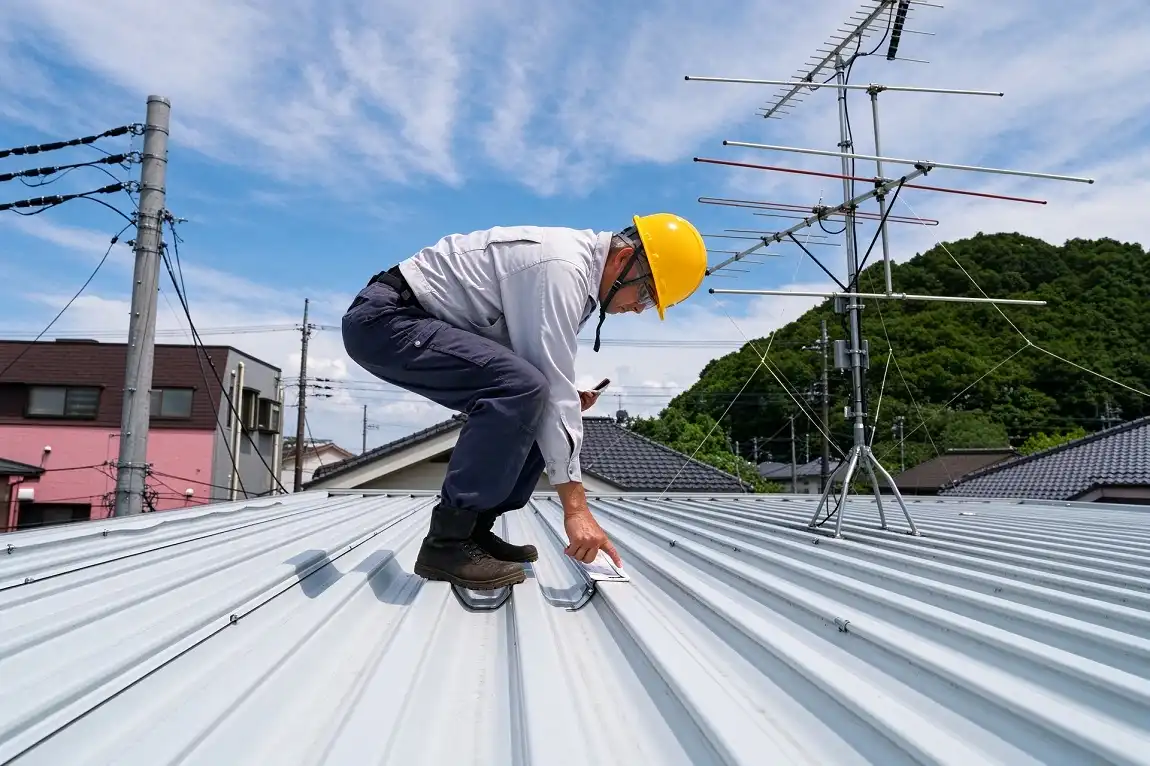
When its time is up, pre-painted steel can be recycled in its entirety. Chrome isn't used in many current coatings, which cuts down on hazardous waste during production. By specifying chrome-free pretreatment systems, purchasing choices are in line with companies' policies on being environmentally responsible and with stricter rules in the U.S. market.
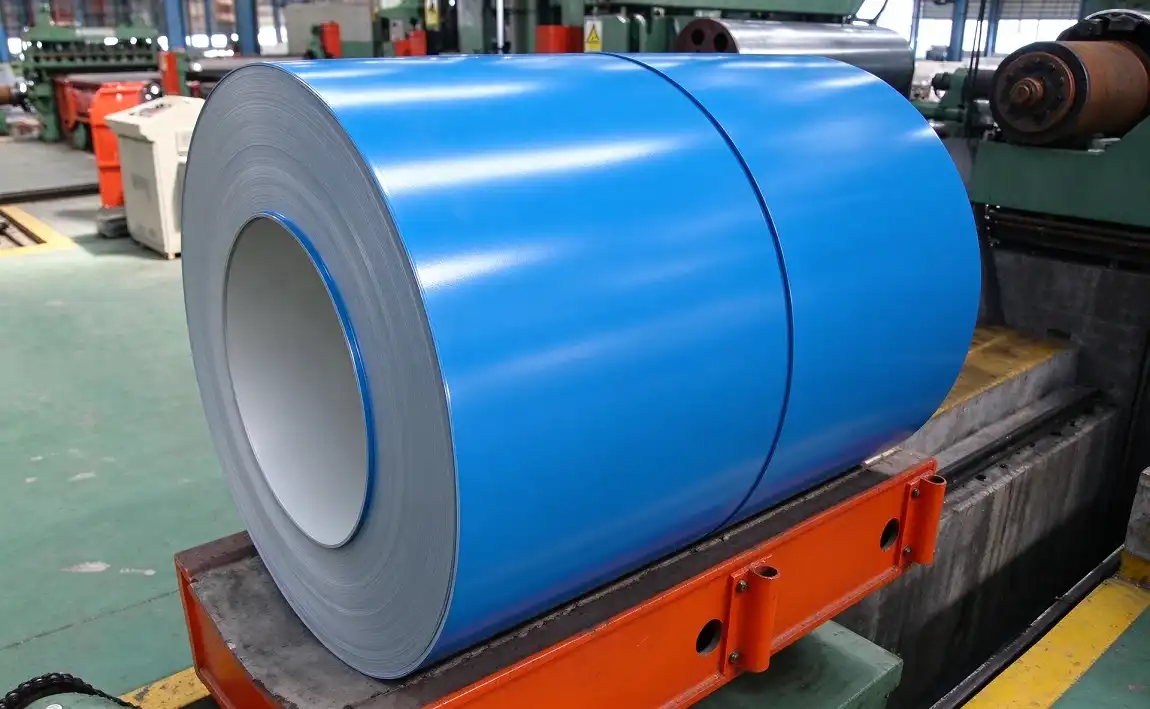
When selecting a color-coated steel sheet for environments with a high risk of corrosion, procurement managers should carefully evaluate the coating chemistry, substrate grade, metallic coating weight, and manufacturer's technical capabilities. A properly specified color-coated steel sheet with a polyester (PE) coating can provide a cost-effective solution for general outdoor and industrial applications where weather exposure is moderate. For projects exposed to intense UV radiation, coastal conditions, or certain aggressive chemicals, a PVDF coating may offer better weathering resistance and long-term color retention, although the final choice should reflect the specific exposure conditions. The metallic coating weight of a color-coated steel sheet is another important consideration. Zinc coating weights in the range of 120–275 g/m² may suit different demanding applications, but buyers should confirm the required coating specification, test method, and corrosion category before making a decision. When sourcing a color-coated steel sheet, it is also important to verify the supplier's relevant certifications, production capacity, quality-control procedures, and customization options. A reliable manufacturer should provide material specifications, coating test reports, and traceable quality documentation to help buyers assess product consistency. Regular inspections and timely maintenance can further extend the service life of a color-coated steel sheet, especially in industrial facilities, food-processing plants, and pharmaceutical buildings where hygiene, durability, and operational reliability are important. By considering both initial purchase price and long-term maintenance requirements, businesses can select a color-coated steel sheet that helps reduce total ownership costs while delivering dependable performance throughout its intended service life.
As per ISO 12944, a zinc coating weight of at least 180–275 g/m² must be specified for coastal or marine environments classified as C4 or C5. This protects against electrochemical damage well enough even if the topcoat gets some minor surface damage.
Yes. In pharmaceutical GMP plants, pre-painted steel panels are often used with the right surface finishes and antibacterial topcoats. Make sure the coating follows the FDA or EU GMP material safety rules for the job you're doing.
Check the dry film thickness of both the topcoat (15–25 μm) and backing coat (5–12 μm) with a magnetic or eddy-current thickness gauge. Ask the manufacturer for a quality inspection report and compare it to the agreed-upon specification sheet.
The most common reasons are not enough zinc layer weight, not treating the edges properly during fabrication, cleaning agents that don't work well with the coating resin, and bending in cold weather below 20°C, which makes the coating less flexible.
It takes Luoyang Innovation Building Material Co., LTD 50,000 square meters to make all of their building materials, and they make more than 2 million square meters of them every year. They have ISO 9001, SGS, and BV certifications. The pharmaceutical, food processing, and industrial construction industries can count on us to provide them with Color-Coated Steel Sheet. We provide full expert help from making plans and budgets to delivering the work. Send an email to eric@cxsteelstructure.com or visit innovationsteelstructure.com to get a price right away.
1. NACE International. Corrosion Costs and Preventive Strategies in the United States. NACE International, 2002.
2. American Society for Testing and Materials. ASTM A755/A755M: Standard Specification for Steel Sheet, Metallic Coated by the Hot-Dip Process and Prepainted by the Coil-Coating Process. ASTM International, 2022.
3. International Organization for Standardization. ISO 12944: Paints and Varnishes — Corrosion Protection of Steel Structures by Protective Paint Systems. ISO, 2018.
4. World Steel Association. Steel and the Circular Economy: Recyclability and Sustainability of Steel Products. World Steel Association, 2021.
5. European Committee for Standardization. EN 10169: Continuously Organic Coated (Coil Coated) Steel Flat Products. CEN, 2012.
6. Fazakerley, W., & Horner, R. Organic Coatings for Corrosion Control: Selection and Performance Guidelines. Society for Protective Coatings (SSPC), 2019.
March 18, 2024
Their steel structures are exceptionally strong and precisely manufactured. The entire production process was highly professional.
September 7, 2024
We were impressed by their advanced steel structure production line and excellent fabrication quality. The final products met our project requirements perfectly.
February 14, 2025
From structural design and detailing to fabrication and delivery, their technical team provided professional support throughout the project.
July 22, 2026
The steel structure components showed excellent precision, durability, and workmanship. Their reliable service gave us great confidence in the project.