March 18, 2024
Their steel structures are exceptionally strong and precisely manufactured. The entire production process was highly professional.
Oct 23, 2026
When procuring color-coated steel sheets for pharmaceutical cleanrooms, food processing plants, or large-scale industrial construction, getting the coating type and thickness right is not optional — it directly affects project longevity, compliance, and budget. A color-coated steel sheet is a cold-rolled steel substrate treated with zinc coating and multiple layers of organic paint, then cured at high temperature to produce a ready-to-install panel with built-in corrosion and weather resistance. This guide walks procurement teams through what to check, what to compare, and how to source with confidence.
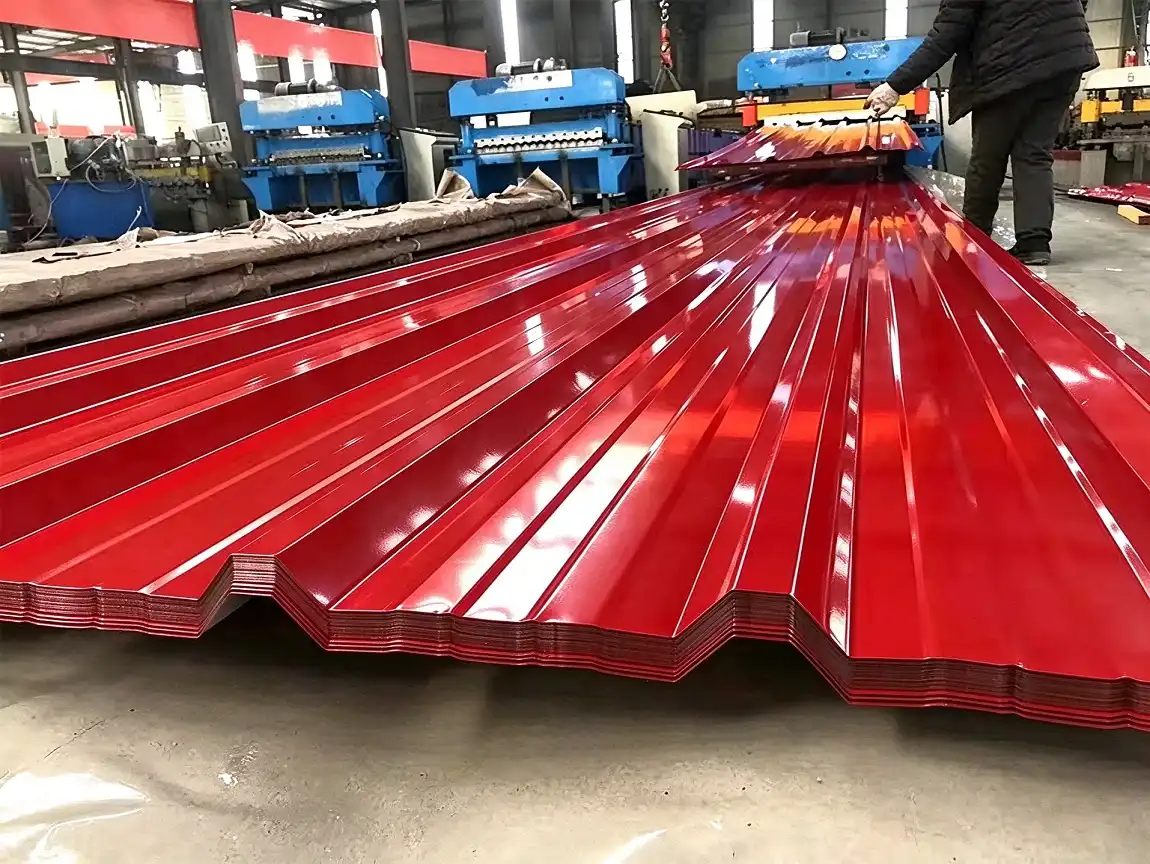
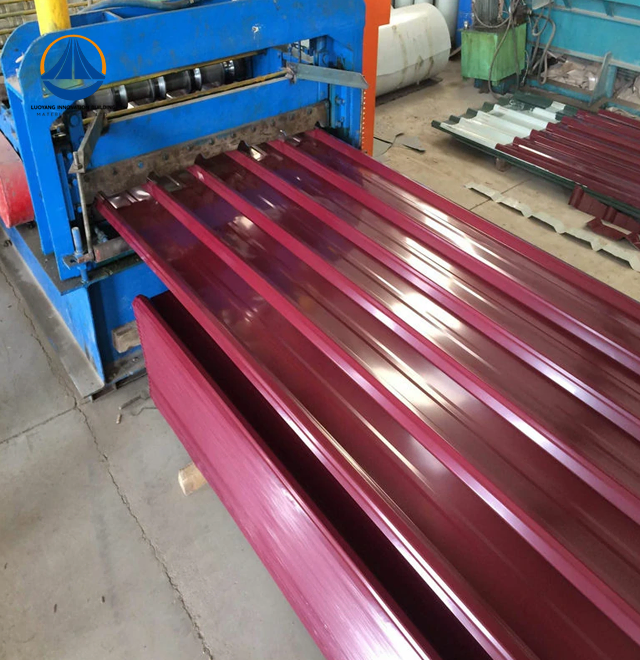
A Color-Coated Steel Sheet is made from cold-rolled steel that meets ASTM, AISI, SGCC, CGCC, or TDC51DZM standards. The base is cleaned and chemically treated, and then primer and finish layers are put on top of it. Finally, it is cooked up and made harder. You don't have to paint this panel on-site because it is finished at the factory. It also cuts down on VOCs and keeps the quality of the surface the same. But covering that is added after the product is made doesn't always stick to the sides and welds. This way works a lot better.
There are two covering resins that most B2B buyers pick from. If you live in a mild area, polyester (PE) coats will last between 7 and 10 years. They stay colored well and are easy to work with. They last longer because UV light doesn't break down the molecular bonds between fluorine and carbon. In places with a lot of UV light or harsh chemicals, they last more than 20 to 25 years. Even though it costs more up front, PVDF is usually the better long-term investment for pharmaceutical plants and business buildings by the water.
The thicker something is, the stronger it is, the better it takes heat, and the longer it lasts. Pre-painted panels should be between 0.2 and 0.6 mm thick, have a copper surface that weighs 30 to 275 g/m², and be between 750 and 1,250 mm wide. The length is determined by what the customer wants. When rolling and putting, mechanical forces are less likely to damage thick bases. Also, corrosion screens that weigh more zinc are stronger. This is very important to do in GMP and food-grade settings, where washing things often makes the surface wear out faster.
There should be a plan for how buying teams look over a Color-Coated Steel Sheet package before they accept it. They should choose a coil that is all the same color, has the same amount of shine, and doesn't have any holes or blisters. In the ASTM D3359 cross-hatch sticking test, the coating is cut into a grid shape, and then tape is put on top of it. It means that the glue either wasn't dry enough or didn't stick. When MEK is rubbed into the resin more than 100 times, it is fully set. These simple tests can be done in the field for no cost and can find problems with the quality of the batch before the panels are sent to the job site.
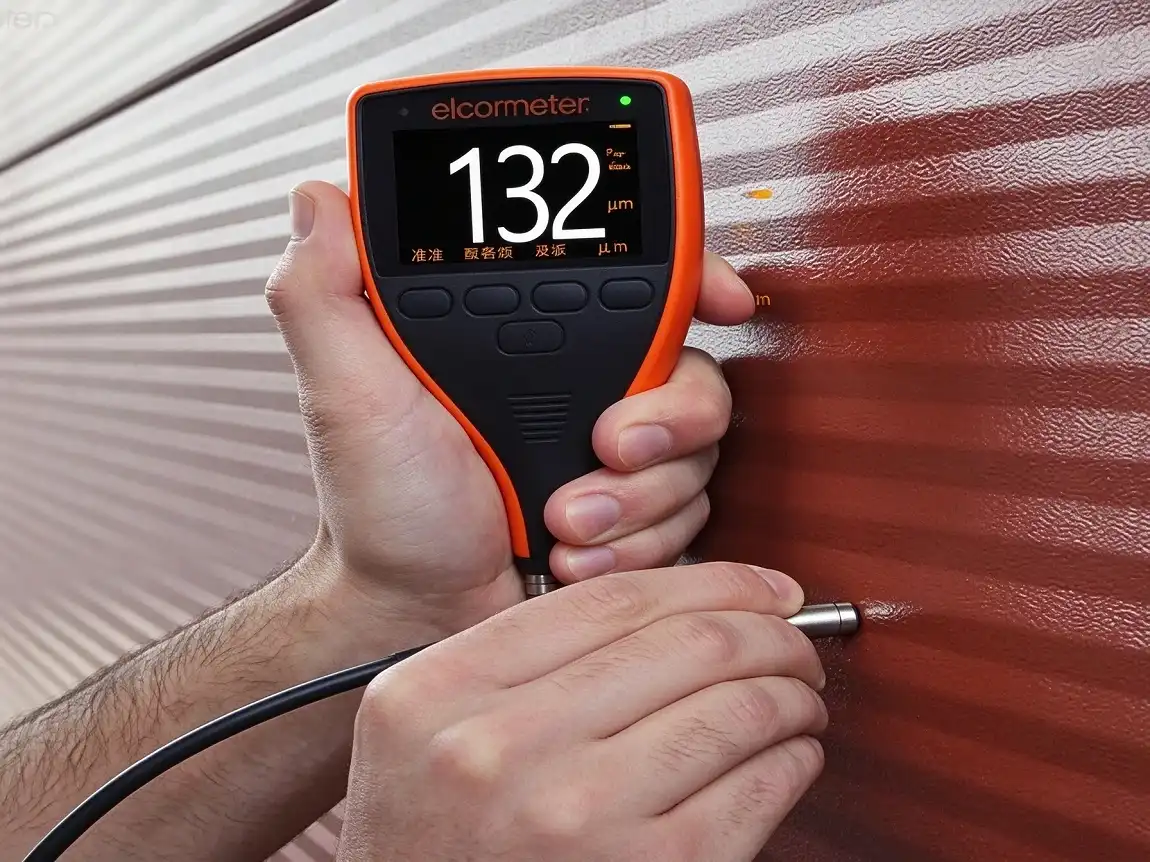
These two types of gauges can usually be used to check the dry film thickness (DFT) of painted steel without hurting it. Most commercial panels are 15–25 μm thick on the front and 5–12 μm thick on the back. If the number is too low, surface wear, edge creep, and rust bleed are more likely to happen faster. There is more than one way to find out how thick the layer is. Do this across the whole coil, not just around the sides. Around the factory and on the docks, a lot of people use tools like the Elcometer 456.
The faster ASTM B117 salt spray test is like being in touch with someone for a long time in the field. If you paint and zinc-coat a panel with the right stuff, it shouldn't get red rust after 500 hours of salt spray. Color matching with a spectrophotometer keeps Delta E (ΔE) within a range of ±1.0. It makes sure that the colors don't change from one run to the next. This has to be done for big tasks like cleanroom walls or facades that have to look the same as promised. If you don't do these checks before you buy something, it might not last as long as it should. A 3–5 μm difference in the thickness of the covering is all it takes to destroy it.
It takes more time and costs more money to paint galvanized steel after it has been put up because it doesn't protect against color or UV light. Aluminum doesn't rust by itself, but it's more expensive per square meter and doesn't bend as well. On the other hand, a Color-Coated Steel Sheet has a coating that is set by the mill. It's stiff and comes in a lot of different colors. It is the best choice for most projects because it is cheap and works well. For example, it can be used for sterile wall panels, food plant roofs, and industrial roofing.
As the setting changes, so does the choice of coating. Very important in cleanrooms for drugs or semiconductors are surfaces that don't get damaged by chemicals and are easy to clean. The best topcoats for this are smooth ones made of high-build PE or PVDF. In food preparation plants, it's more important to have coverings that kill germs and don't react with acidic cleaners. You can get PVDF or HDP coatings for your roofs, and they will last for 15 to 20 years if you live near the ocean or in an area with a lot of UV light in the United States. By matching the chemistry of the coating to how it will be used, it is kept from wearing out too quickly and needing an expensive replacement.
Buyers in charge of big projects often run into trouble because different sellers don't always offer the same thickness. Because of how they roll the sheets, many mills make 0.5 mm panels that are off by ±0.02 to 0.04 mm. This difference is what changes how stiff the walls are, how far apart the fasteners are, and how the load on a job that covers a lot of space is worked out. Make sure that each coil has a mill test license and list the grade of the base material, like SGCC or TDC51DZM. These are simple steps that can be taken to protect the project's purity. After getting the goods, you can also check the zinc coating weight (g/m²).
A reliable business that sells Color-Coated Steel Sheets should have at least the ISO 9001 mark. Proof from SGS and BV makes it even safer to do business in other countries. International rules say that these things must be made in a certain way and with certain materials. They must also be checked over before they leave the plant. For projects in the US, make sure the seller can give you mill certificates and import paperwork that meet ASTM standards. It is certified by ISO 9001, SGS, and BV, and its factory covers 50,000 m². It can work on more than 2 million square meters of space every year.
When you buy a lot of pre-painted steel coils, the prices tend to be tiered. This means that as you buy more, each unit costs less. As you talk about a deal for a certain coating and thickness, make sure you write down the weight, DFT ranges, T-bend rating, and color tolerance (ΔE). Write down the wait times and ask if there are any colors or widths that take longer to make. You can choose any color you want, including red, blue, gray, green, and more. The widths range from 750 mm to 1,250 mm, and the lengths are made to order.
If someone in the US wants to buy a coil, each one should have a batch number that can be matched with a mill test certificate. This lets you see the whole history of the material, from the melt on the base to the finished panel. Before you leave the country, they should give you all the information you need, like packing lists, certificates of origin, and safety instructions for the goods. Making sure building items are safe and being able to track where they came from are important. This is especially important for food- and drug-grade GMP projects.
The Color-Coated Steel Sheet will stay in good shape if you clean it often with pH-neutral soaps, soft cloths, or low-pressure water. Use steel wool, strong chemicals, or high-pressure water jets on the sides or gaps of the panels but not under the panels. When cleaning places that prepare food or medicines, the cleaning products should be checked against a chemical protection chart made by the company that made the coating. Regularly and gently cleaning panels will keep them looking good and protect their surfaces for a much longer time than maintenance that is done only when something goes wrong.
Rust moving in from cut edges is called edge creep. Small bubbles that appear under the covering show that water is stuck there. You can see chalking as a white powdery residue. Touch-up paint that is high in zinc can stop early-stage edge creep if you put it on a clean, dry surface. When there are bigger tears in the panel, a new one usually needs to be put in its place. If you look at places that get a lot of water or chemicals once a year, you can find problems early, when they are still cheap to fix.
When panels are being stored on-site before they are put in place, they shouldn't be on concrete floors, and the covers should be able to let air flow. Also, they shouldn't be near water. White rust on zinc layers happens faster when water builds up between stacked coils before the finish covers them. Putting things away in the right way doesn't cost anything and will protect the money that was spent on them.
Getting Color-Coated Steel Sheets can change how well a project works, how much it costs to keep up, and how well it follows the rules over time. It's easy to find out about the supplier's licensing, the zinc coating's thickness, weight, and how well it sticks. Yes, these rules will protect your project and money. Buyers, project engineers, and factory owners can get materials that will work well in a pharmaceutical, food-grade, semiconductor, or industrial construction setting if they have the right specs and work with a trustworthy source partner.
Find out from the provider what the material test report (MTR) is and how thick the dry film is on each coil. Use a magnetic or eddy-current gauge to find out how wide the sheet is all the way across as soon as you get it. For the face side, any finish DFT between 15 and 25 μm works.
This is better if you live near the coast or where there is a lot of UV light: PVDF or HDP. In normal light, PE coatings lose their color and shine after 7 to 10 years. PVDF formulas, on the other hand, can last at least 20 years without losing their shine or color.
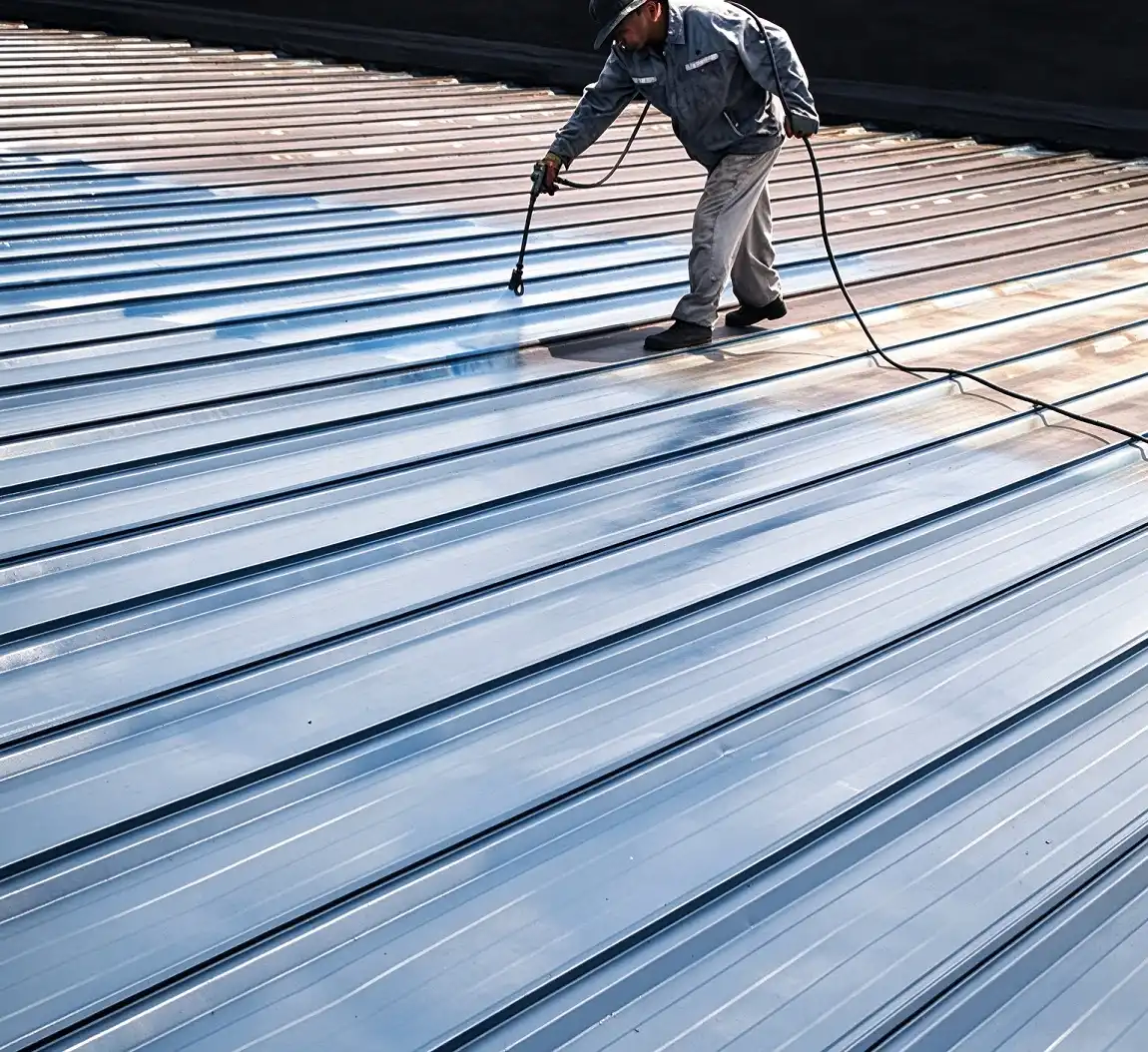
There is more than one way to do it. When factory-applied coats are used, Color-Coated Steel Sheets ensure solvent-based painting doesn't need to be done on-site. As a result, less VOC will be released during construction. The right way to coat panels will make them last longer and keep them from breaking down as often. Over the life of the building, this will save you money and cut down on waste.
Yes. The width can be between 750 and 1,250 mm, and it comes in red, blue, gray, and green. You can ask for a different color. The length is determined by what the customer wants.
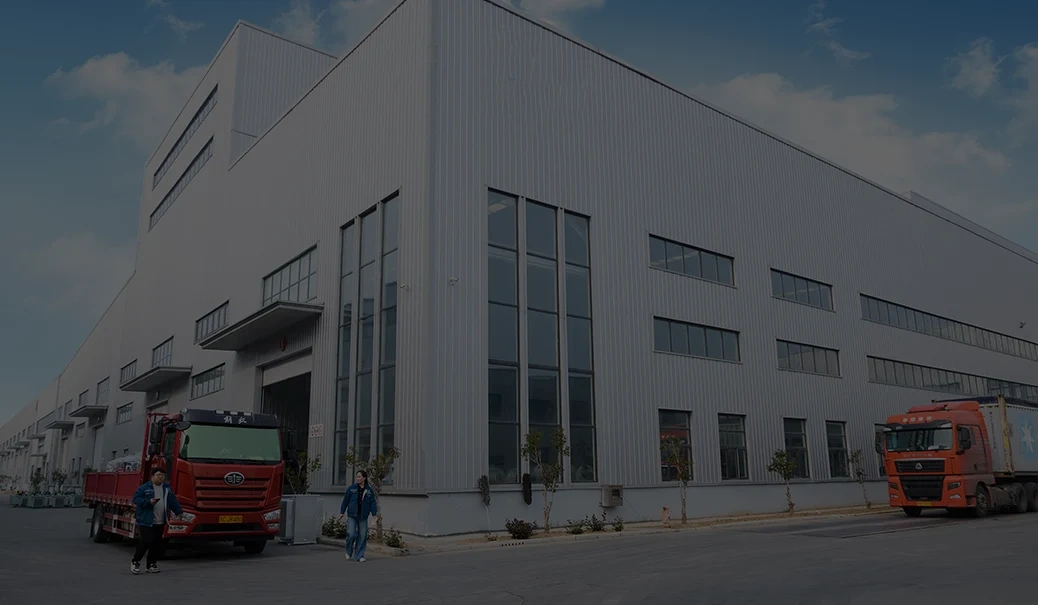
People all over the world depend on Luoyang Innovation Building Material Co., Ltd. to make Color-Coated Steel Sheets, which are used in construction, food-grade, and drug projects. From the idea stage to delivery, it gives full expert help and is certified by ISO 9001, SGS, and BV. It can make up to 50,000 m². Teams that buy things can depend on the goals and supplies of the company. You can get specs, samples, or a competitive quote right now by going to innovationsteelstructure.com or emailing us at eric@cxsteelstructure.com.
1. ASTM International. ASTM A755/A755M: Standard Specification for Steel Sheet, Metallic Coated by the Hot-Dip Process and Prepainted by the Coil-Coating Process for Exterior Exposed Building Products. ASTM International, 2022.
2. ASTM International. ASTM B117: Standard Practice for Operating Salt Spray (Fog) Apparatus. ASTM International, 2019.
3. European Committee for Standardization. EN 10169: Continuously Organic Coated (Coil Coated) Steel Flat Products — Technical Delivery Conditions. CEN, 2012.
4. Funke, W. Organic Coatings: Science and Technology. Wiley-Interscience, 2007.
5. Montemor, M.F. "Functional and Smart Coatings for Corrosion Protection: A Review of Recent Advances." Surface and Coatings Technology, vol. 258, 2014, pp. 17–37.
6. Schweitzer, P.A. Corrosion Engineering Handbook: Corrosion of Linings and Coatings. CRC Press, 2006.
March 18, 2024
Their steel structures are exceptionally strong and precisely manufactured. The entire production process was highly professional.
September 7, 2024
We were impressed by their advanced steel structure production line and excellent fabrication quality. The final products met our project requirements perfectly.
February 14, 2025
From structural design and detailing to fabrication and delivery, their technical team provided professional support throughout the project.
July 22, 2026
The steel structure components showed excellent precision, durability, and workmanship. Their reliable service gave us great confidence in the project.