March 18, 2024
Their steel structures are exceptionally strong and precisely manufactured. The entire production process was highly professional.
Oct 23, 2026
When engineers and procurement managers look for a roofing or wall cladding material that balances performance, cost, and appearance, a Color-Coated Steel Sheet consistently ranks near the top of the list. This pre-painted steel product combines a metallic substrate with multi-layer organic coatings, producing a ready-to-install panel that resists corrosion, handles harsh weather, and arrives in a range of colors. Available in thicknesses from 0.2 mm to 0.6 mm and widths from 750 mm to 1,250 mm, it fits pharmaceutical cleanrooms, food processing plants, semiconductor facilities, and large-scale industrial construction with equal effectiveness.
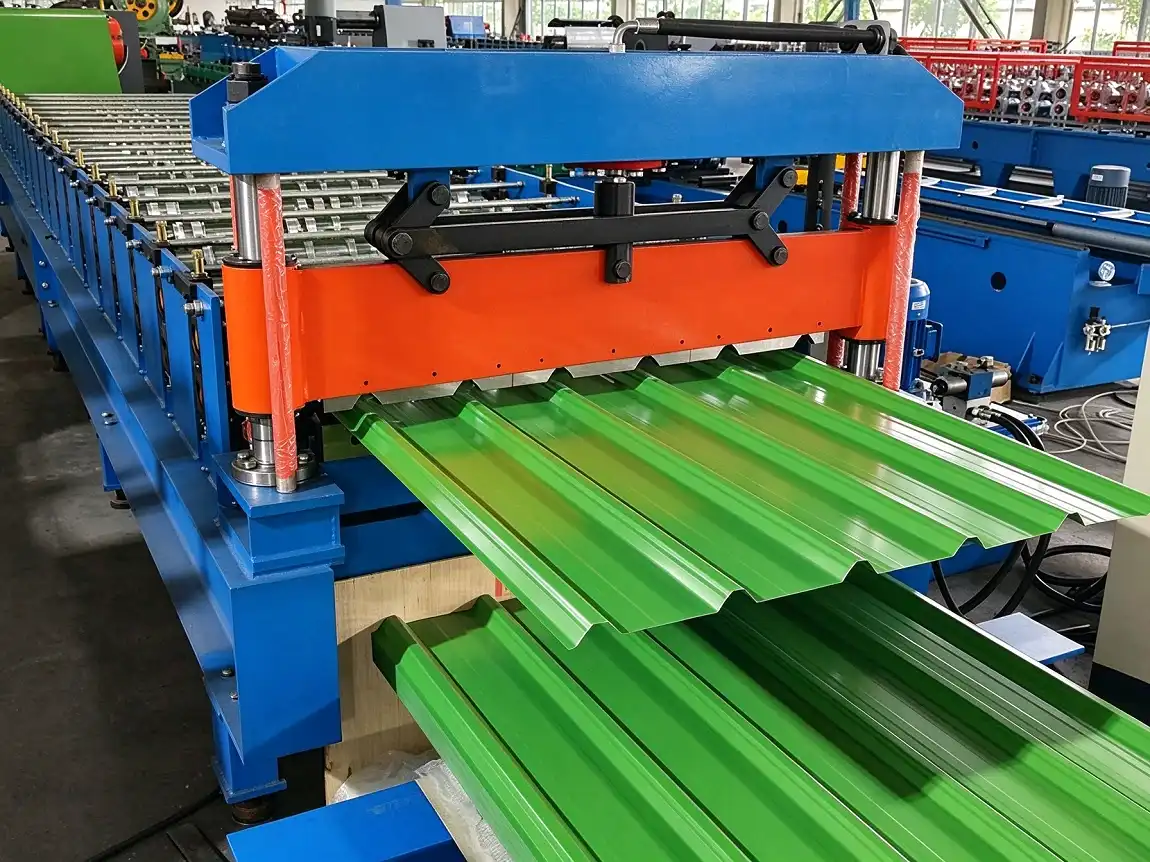
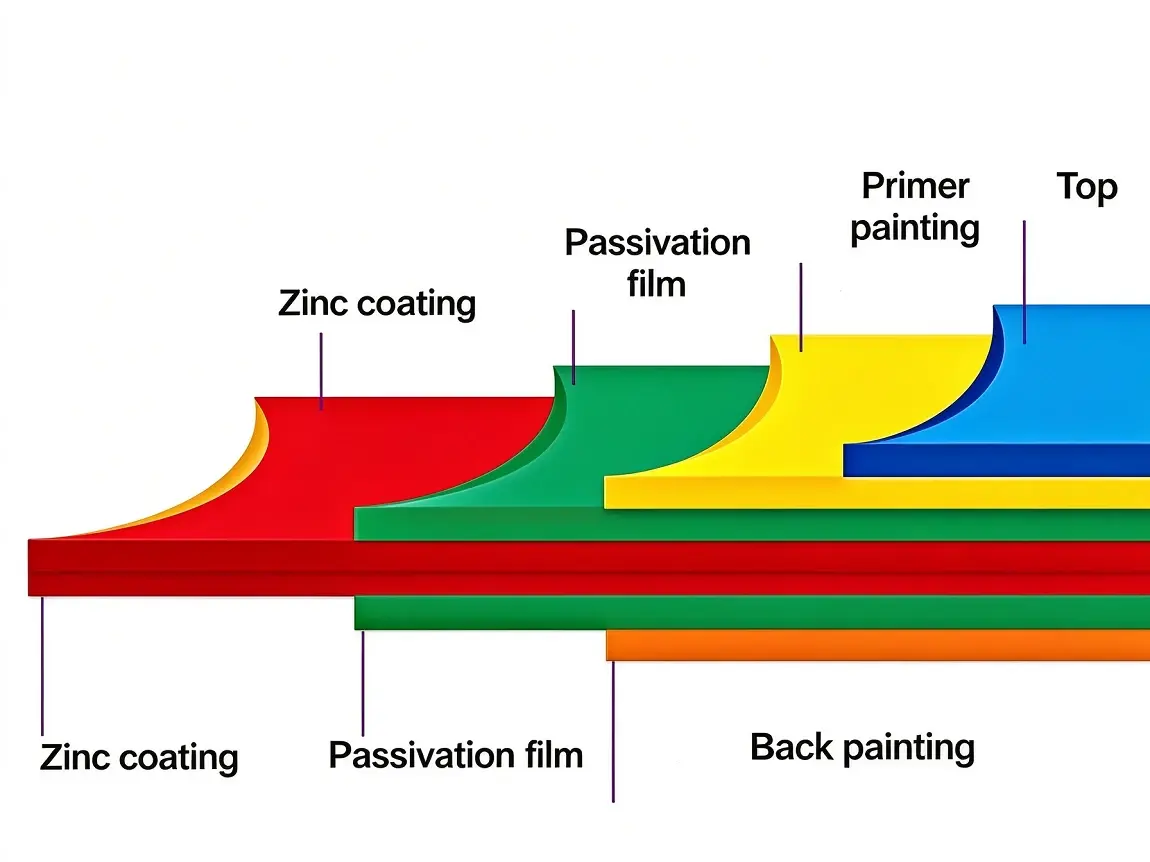
You can find cold-rolled steel that meets ASTM, AISI, SGCC, CGCC, or TDC51DZM standards at the bottom of a Color-Coated Steel Sheet. A zinc covering layer that weighs between 30 and 275 g/m² is then put on top of this base. After that, the base goes through a continuous coil painting line, which is not the same as painting bare galvanized steel. This is where the prime coat, the chemical pretreatment, and the baking of the organic topcoat happen at controlled temperatures. Because of this, the surface chemistry of the product stays the same, corrosion will happen in a predictable way, and it doesn't need to be painted once it's been made.
First, an alkaline solution is used to clean the cold-rolled coils. They are then rinsed and given a chromate or chrome-free conversion layer. It starts with a primer coat and ends with a polyester (PE) or PVDF resin topcoat. The topcoat is then heated to between 200 and 250 °C to set. It doesn't just sit on top of the substrate after this process; it is locked into it. This really helps things stick together. The finished sheet has certifications from ISO 9001, SGS, and BV that show that every work run meets quality standards.
In business, the two main types of substrates are pre-painted galvanized (GI) and pre-painted galvalume (GL). Galvalume's zinc-aluminum coating lasts longer and better reflects heat, which makes it a better choice for places that are near the coast or that are chemically harsh. It can be anywhere from 0.2 mm to 0.6 mm thick, depending on how much weight it needs to hold. The normal colors are red, blue, gray, and green. If you'd like, you can ask for other colors as well. It can fit both standing-seam roofing and flat wall panel designs because its width ranges from 750 mm to 1,250 mm.
The organic finish and the zinc covering weight (up to 275 g/m²) work together to protect against water, salt spray, and air pollutants. ASTM B117 says that sheets properly coated with Z275 zinc weight can go 500 to 1,000 hours without red rust. This is shown by regular salt spray tests. In places that make food and drugs, where surface contamination can make it harder to follow production rules, this level of protection is very important.
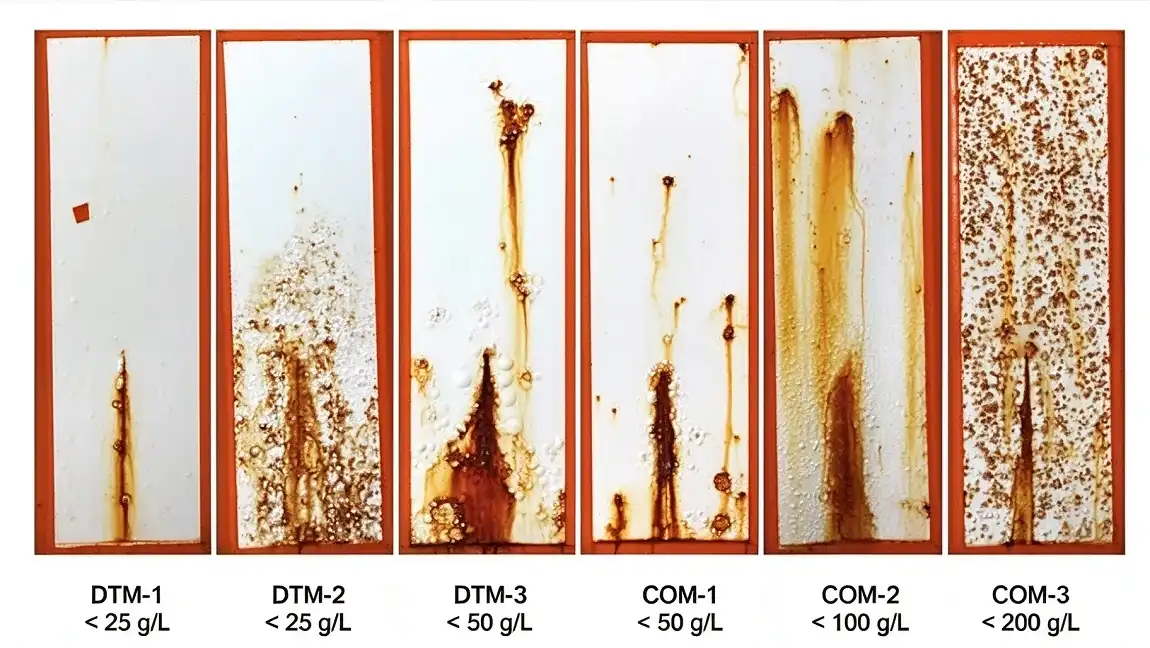
Here are the main performance advantages that business buyers always bring up:
These benefits directly mean less downtime and fewer maintenance breaks that weren't planned for at production sites. People in charge of GMP or food safety operations have to have that level of dependability by law. It's not a nice-to-have.
When comparing materials for industrial construction, Color-Coated Steel Sheet offers an attractive balance of strength, corrosion resistance, and cost-effectiveness. Aluminum is lighter than cold-rolled steel, but it generally has lower tensile strength at the same thickness, depending on the alloy and grade. Stainless steel provides excellent corrosion resistance but can cost three to five times more per square meter, depending on the material specification and market conditions. By contrast, Color-Coated Steel Sheet is often a more economical choice for indoor and semi-outdoor industrial applications, offering a protective coating that helps resist rust and surface deterioration under suitable conditions. For manufacturers and construction contractors, Color-Coated Steel Sheet also offers excellent formability, making it suitable for roll forming into roofing panels, wall cladding, and other customized profiles. When selecting Color-Coated Steel Sheet, buyers should evaluate the base steel grade, coating type, coating thickness, and expected exposure conditions to ensure reliable long-term performance. Compared with more expensive alternatives, Color-Coated Steel Sheet can help reduce initial material costs without sacrificing the practical performance required for many industrial projects. By choosing the right specifications, businesses can use Color-Coated Steel Sheet to achieve an effective combination of durability, versatility, and budget control.
Once a year, use low-pressure water and light soap to rinse the surface. This gets rid of deposits before they damage the topcoat. Do not use rough tools or cleaners that are acidic. Check the cut edges and fastener points every two years because that's where edge creep is most likely to happen.
At least a Z275 zinc covering and a PVDF topcoat should be used for jobs near the coast or chemical plants. It is safe to use Z120 zinc and standard PE coating on the roofs of inland warehouses. The width you choose will depend on how far apart the purlins are. Up to 1,500 mm can be put between supports with sheets that are 0.5 to 0.6 mm thick. Wall panels with closer framing, on the other hand, work best with thinner gauges.
Make sure that your supplier has an ISO 9001 certificate and that every delivery comes with an SGS or BV inspection report. These papers not only confirm the specs that were given, but also the thickness of the coating, how well it sticks, and the weight of the zinc. Ask for a T-bend test result (at least 0T or 1T) and a pencil hardness report (≥ F) to make sure the finish doesn't break when it's being rolled.
For big business projects, suppliers who can make the goods can offer shorter lead times and more consistent color from batch to batch. Cutting to exact lengths from your building plans means you don't have to waste time trimming in the field. Check with the seller to make sure that the Delta E (ΔE < 1.0) color will stay the same for the whole order. This is very important when covering large, visible walls where the color would change from batch to batch.
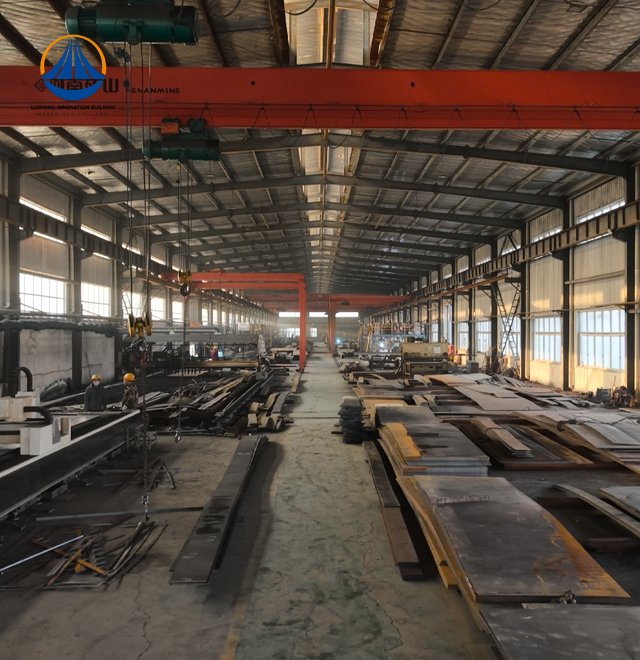
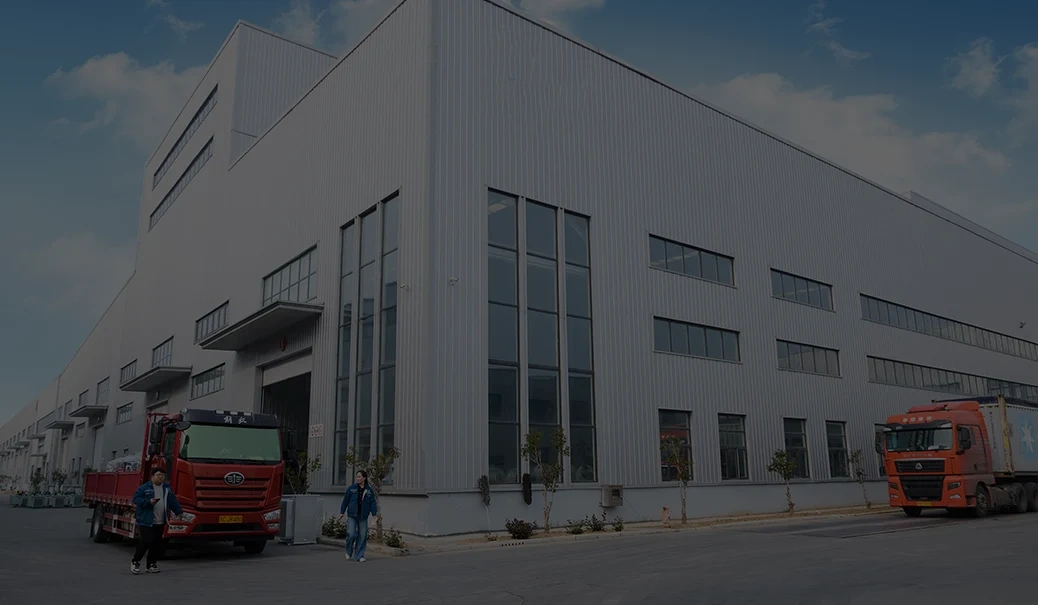
The steel finishing business in China has grown a great deal. Big companies have lines that coat coils all the time and move tens of thousands of tons of material every year. There are color-controlling spectrophotometers and thickness gauges built right into these lines. Luoyang Innovation Building Material Co., Ltd has a 50,000-square-meter factory that can make more than 2 million square meters of building materials and 50,000 tons of steel structure parts every year. They have ISO 9001, SGS, and BV certifications.
If you are buying pre-painted steel from a reputable company, they will show you their ISO 9001 quality management paperwork, the results of a third-party salt spray test, and records of how thick the coating was on each batch. A warranty from the manufacturer covers coating delamination and base rust for up to 25 years for PVDF and 10 years for PE. This shows that the company is confident in the long-term performance of their goods.
Before purchasing Color-Coated Steel Sheet, buyers should follow a structured procurement process that includes confirming technical specifications, reviewing samples, placing an order, arranging third-party quality inspections, coordinating shipment, and obtaining installation support when necessary. A reliable supplier of Color-Coated Steel Sheet should assign a dedicated technical contact to help customers throughout each stage of the project. This specialist can review engineering drawings, recommend suitable zinc coating weights and paint systems, and ensure that the selected Color-Coated Steel Sheet meets the project's requirements for corrosion resistance, durability, and appearance. In addition, an experienced supplier can coordinate production schedules, packaging, transportation, and delivery documentation to minimize delays. Before confirming an order, buyers should verify the steel grade, base metal thickness, coating specifications, color requirements, and applicable quality standards for the Color-Coated Steel Sheet. Independent inspections can provide additional assurance that the delivered products match the approved samples and contractual requirements. By working with a dependable manufacturer, procurement teams can simplify the purchasing process, reduce quality risks, and ensure that their Color-Coated Steel Sheet arrives on schedule and is ready for the next stage of construction or manufacturing.
The walls of a GMP-certified pharmaceutical plant had to be able to handle being cleaned every day with disinfectants that are strong enough to damage regular paints. Metal sheets made of galvalume that had already been sprayed and given a PVDF finish and a Z180 zinc layer were put in. Surface checks after 36 months of use showed no blistering, delamination, or base rust. This matches the performance data that has been made public for PVDF, which shows that it is more resistant to chemicals than regular polyester systems.
A company that processes dairy products needed insulated roof panels with a surface that wouldn't rust from condensation and met standards for being close to food. It was decided to use gray galvanized sheets that were already painted and had a Z275 coating on them. They were 0.5 mm thick. Since the finish was smooth when it was made, high-pressure cleaning didn't hurt the surface. Also, the color was the same all over, so dirt couldn't be seen among the clean cycles.
The people in charge of a 15-building industrial park wanted the face color to stay the same as the buildings were being built. Each piece of Luoyang Innovation's siding was made from a single batch, which kept the color difference below 0.8. Even though it took 18 months to build, this made the campus look uniform when it was done.
Color-Coated Steel Sheets are a handy and cheap way to cover walls and roofs in fields like medicine, electronics, food processing, and big buildings. This material is made up of a cold-rolled steel base, a zinc covering of up to 275 g/m², and an organic topcoat. It is better than bare galvanized steel at fighting corrosion, weather, and cleaning processes. Plus, it's a lot cheaper than aluminum or stainless steel. From 0.2 mm to 0.6 mm, this product can be made in any length, width, or thickness that you need. It can also be made up to 1,250 mm wide. Getting certified by ISO 9001, SGS, or BV gives procurement teams the proof they need to know they're following the rules.
Standard polyester (PE) topcoats deliver 7–10 years of field service life. PVDF coatings extend performance to 20–25 years. The zinc coating weight also matters — Z275 outperforms Z120 in humid or coastal environments.
Yes. Factory-applied coatings produce a smooth, non-porous surface that resists bacterial adhesion and tolerates periodic disinfectant washing. Specify a PVDF topcoat for facilities using aggressive sanitizing agents.
Colors beyond the standard red, blue, gray, and green range are available on request. Lengths are manufactured to customer specifications, eliminating field cutting waste on structured projects.
Pre-painted cold-rolled steel typically costs 40–60% less per square meter than comparable aluminum cladding while providing equivalent or better rigidity at standard industrial thicknesses.
Request ISO 9001 documentation, SGS or BV third-party inspection reports per shipment, salt spray test results (ASTM B117), and T-bend and coating thickness records for each production batch.
Color-Coated Steel Sheet is made by Luoyang Innovation Building Material Co., Ltd, a business that does it well. Its production base is 50,000 square meters, and it makes more than 2 million square meters of steel every year. It is certified by ISO 9001, SGS, and BV. No matter when you look at the plans or when the project is done, our expert team is here to help. Visit innovationsteelstructure.com or email us at eric@cxsteelstructure.com to get product samples, bulk prices, or information that is unique to your project.
1. Steel Construction Manual — American Institute of Steel Construction (AISC), 2017.
2. ASTM A755/A755M: Standard Specification for Steel Sheet, Metallic Coated by the Hot-Dip Process and Prepainted by the Coil-Coating Process for Exterior Exposed Building Products — ASTM International, 2021.
3. Corrosion Engineering: Principles and Practice — Pierre Roberge, McGraw-Hill, 2008.
4. EN 10169: Continuously Organic Coated (Coil Coated) Steel Flat Products — Technical Delivery Conditions — European Committee for Standardization (CEN), 2012.
5. Journal of Coatings Technology and Research: Performance Evaluation of PVDF and Polyester Coatings on Galvanized Steel Substrates — Springer, 2019.
6. Metal Architecture Magazine: Pre-Painted Steel in Industrial Building Envelopes — Modern Trade Communications, 2022.
March 18, 2024
Their steel structures are exceptionally strong and precisely manufactured. The entire production process was highly professional.
September 7, 2024
We were impressed by their advanced steel structure production line and excellent fabrication quality. The final products met our project requirements perfectly.
February 14, 2025
From structural design and detailing to fabrication and delivery, their technical team provided professional support throughout the project.
July 22, 2026
The steel structure components showed excellent precision, durability, and workmanship. Their reliable service gave us great confidence in the project.