March 18, 2024
Their steel structures are exceptionally strong and precisely manufactured. The entire production process was highly professional.
Oct 21, 2026
When it comes to modern industrial and commercial construction, choosing the right steel structure beam is one of the most consequential decisions a project team can make. A structural beam is the horizontal backbone that transfers roof, floor, and equipment loads down to the columns and foundation. Get this choice right, and you gain a building that goes up fast, performs reliably for decades, and keeps lifecycle costs low. Get it wrong, and you face costly redesigns, schedule overruns, and potential safety risks. This article walks you through everything you need to know—beam types, material comparisons, procurement strategy, and how to evaluate a manufacturer—so you can move forward with clarity and confidence.
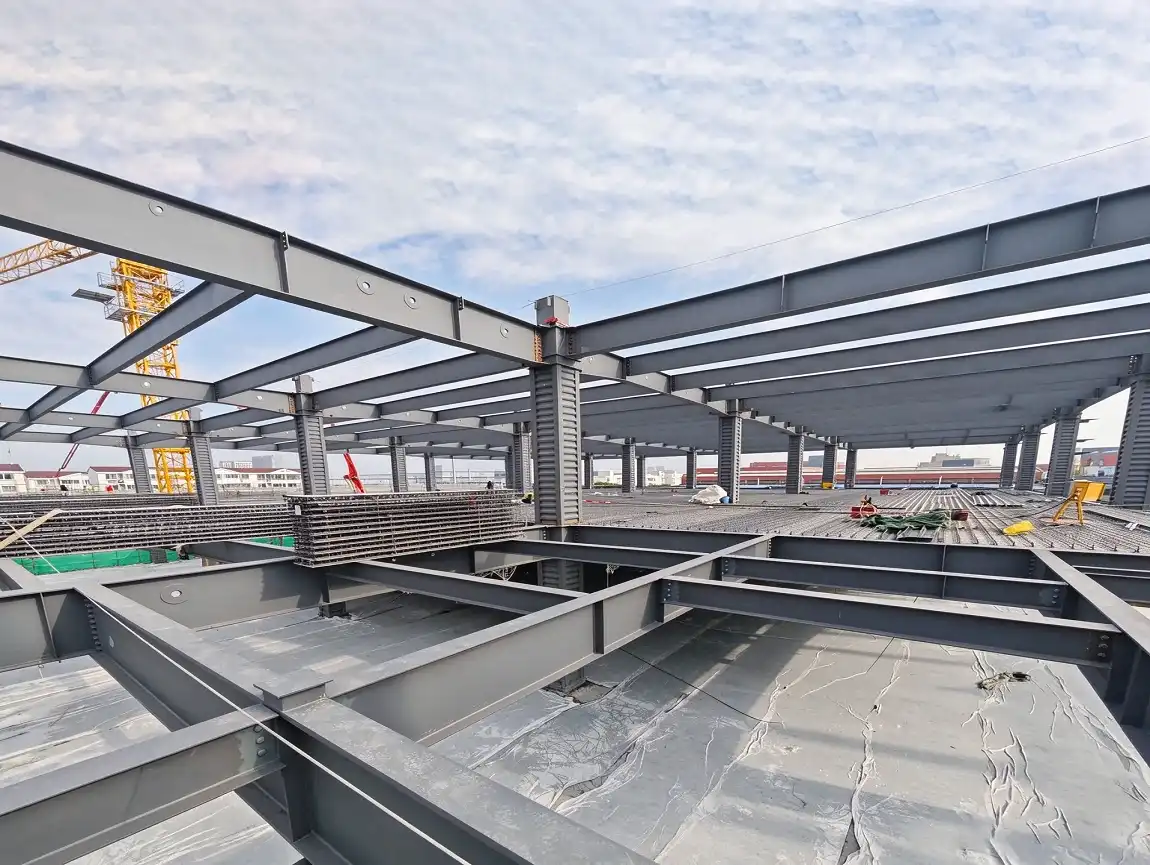
A Steel Structure Beam is made from high-strength carbon or alloy steel and is made to not bend when loads are put on it. Depending on the grade, yield strength is usually between 235 MPa and 460 MPa. ASTM A36, Q355B, and S355JR are some of the most common grades used around the world. The modulus of elasticity is around 200 GPa, which gives steel a strength edge that wood and concrete can't match for the same weight.
Several cross-sectional profiles serve distinct structural roles:
Protection against corrosion is a must for structures that will last a long time. Hot-dip galvanization creates a zinc layer that is 45–85 µm thick. This layer greatly slows down rust, even in marine and industrial settings. If you are worried about chemical exposure, high-performance epoxy or polyurethane topcoats add another barrier.
When it comes to strength-to-weight, steel is much better than reinforced concrete. A steel frame can be 30–40% lighter than a similar concrete structure when the loads are the same. This means that the foundation doesn't have to be as big and the costs of treating the ground are lower. The faster erection is also helped by the lighter members, which need fewer lifting tools and fewer worker hours.
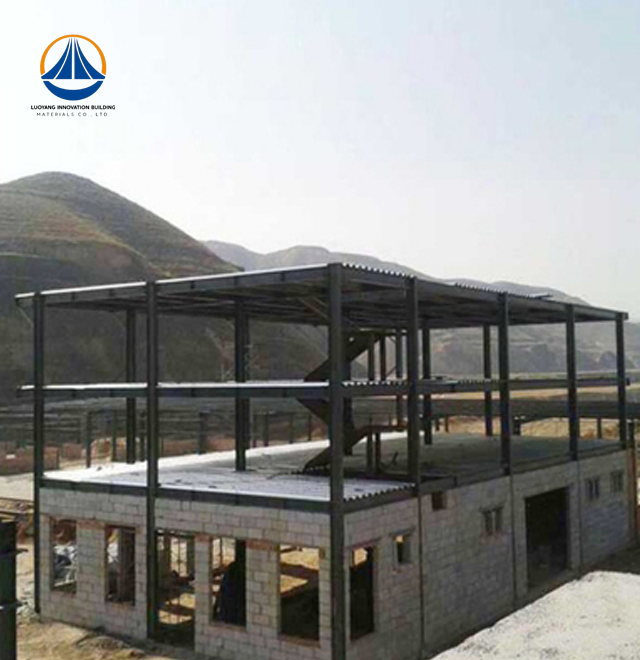
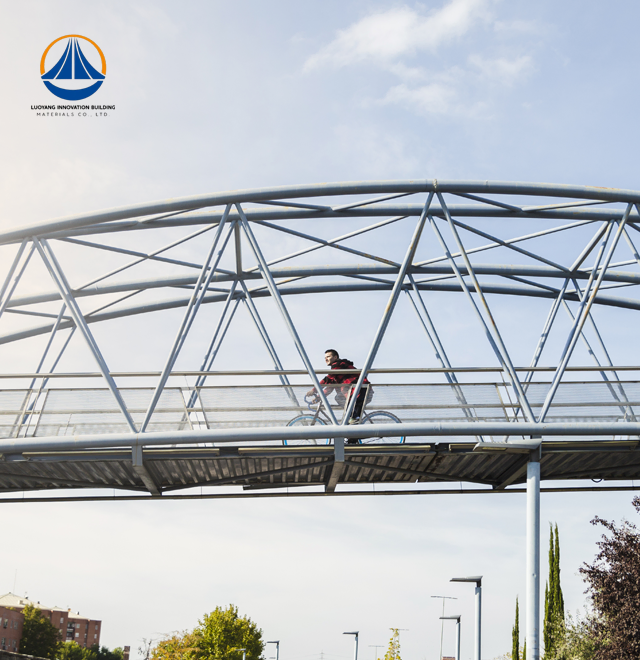
The difference between an H-beam and an I-beam is important in the steel family itself. It is possible for H-beams to carry bigger loads over longer lengths without having to worry about horizontal and torsional buckling. When a grid limits the depth of a member, I-beams work well as additional beams or as a fix. In small sealed metal buildings where column thinness and regularity matter along with structural performance, hollow sections—square tubes in particular—are becoming more popular.
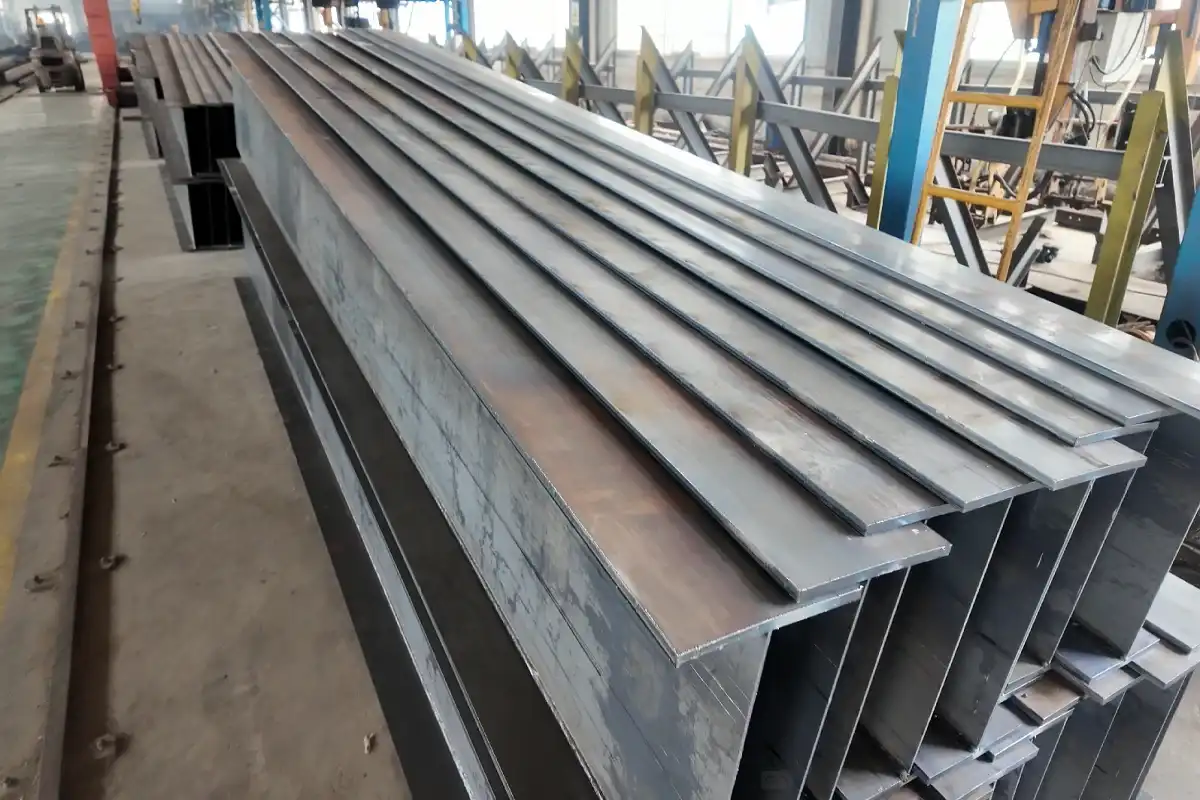
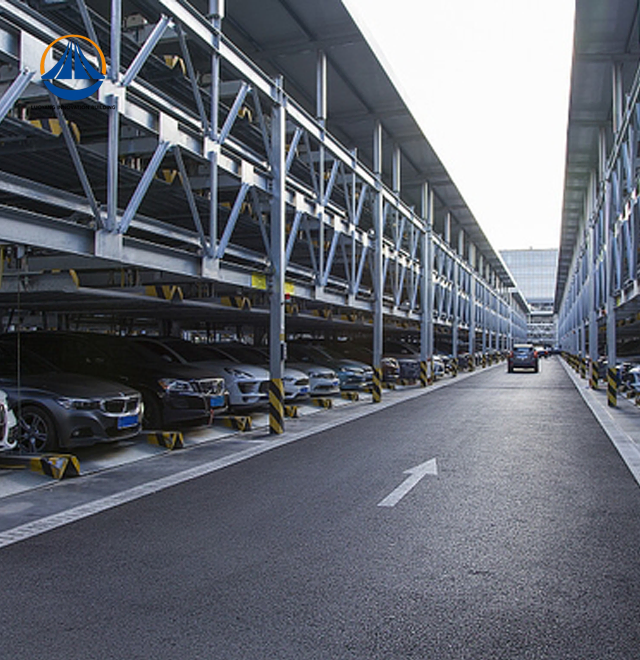
For low-rise uses like mezzanines and divider framing, light-gauge cold-formed steel is easy to put together and has low mass, but it quickly hits its load-carrying ceiling. Hot-rolled H-beams or square tube sections are still the most common types of frames used in warehouses, parking garages, and maintenance buildings.
The design load (dead, live, wind, and seismic), the required clear span, the environmental exposure category, and the project budget are the first four things that must be known in order to choose the best framing member. Once these inputs are set, member sizing follows established codes, such as ASC 360 in the US, Eurocode 3 in Europe, or GB 50017 for parts made in China that will be exported around the world.
Besides just numbers, the delivery plan has real cash weight. When compared to poured-in-place concrete options, prefabricated steel parts made to exact specifications in a workshop setting can cut total building time by 30 to 50 percent. That tightening of the schedule directly leads to earlier occupancy and a faster return on the investment in capital.
Here are the most important things you should think about when deciding which supplier to work with:
These things together decide if a structure frame works the way it's supposed to for the 50 years or more it's supposed to last.
Before talking to any vendors, it's smart to have a clear bill of materials that lists the section shape, steel grade, surface treatment, and manufacturing tolerances. Comparing prices per ton is helpful, but it's not the whole story. The total landing cost, which includes packing, shipping, clearing customs, and delivery to the job site, gives a truer picture of the budget.
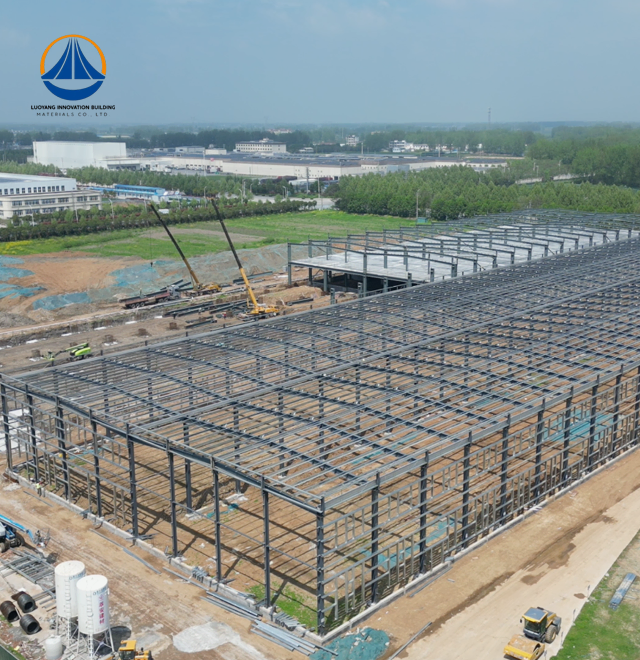
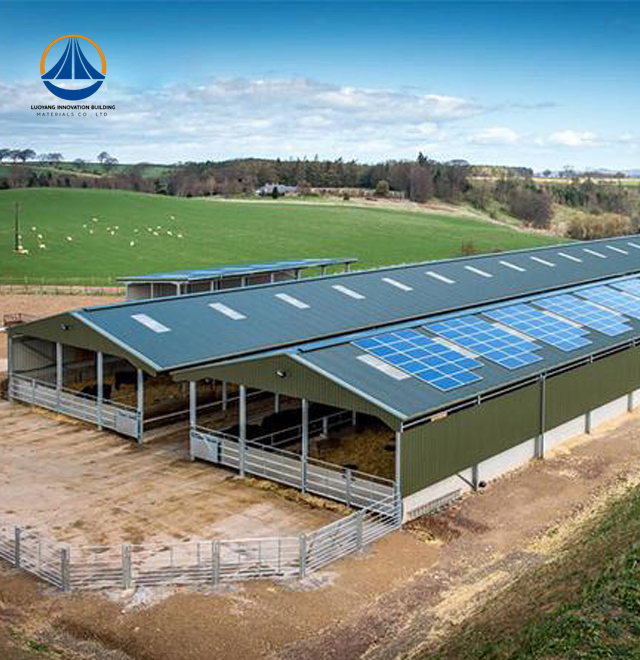
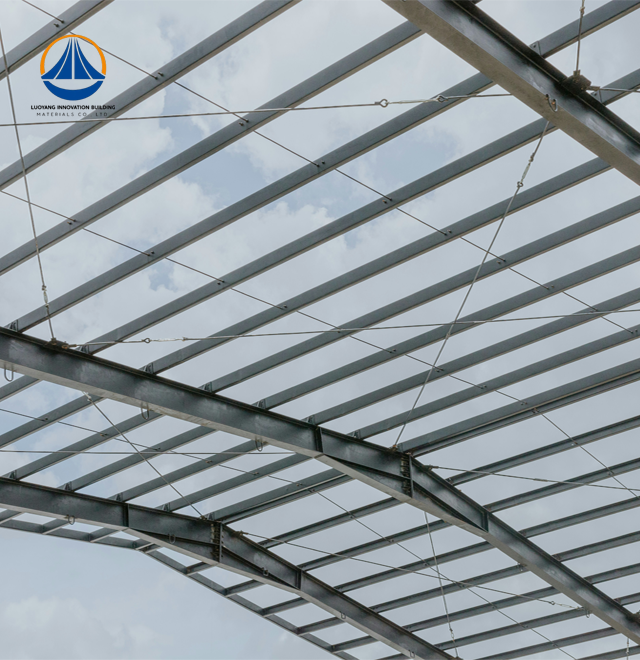
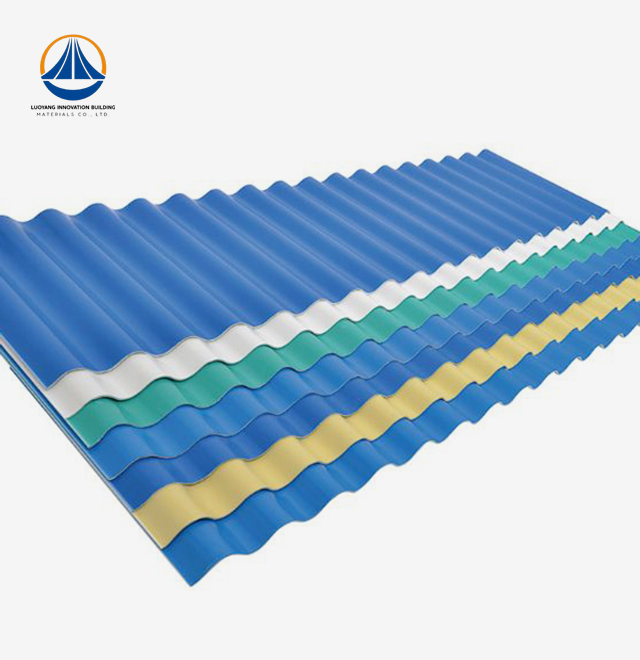
Luoyang Innovation Building Material Co., LTD runs an intelligent Steel Structure Beam processing line that can make 50,000 tons of steel each year. The company's small sealed metal building system is made up of light hot-rolled H-beams or square tube frames that are connected to cold-formed galvanized C/Z-type purlins and tie rods. Column-free internal spans work great for parking lots, storage areas, and repair buildings in this arrangement.
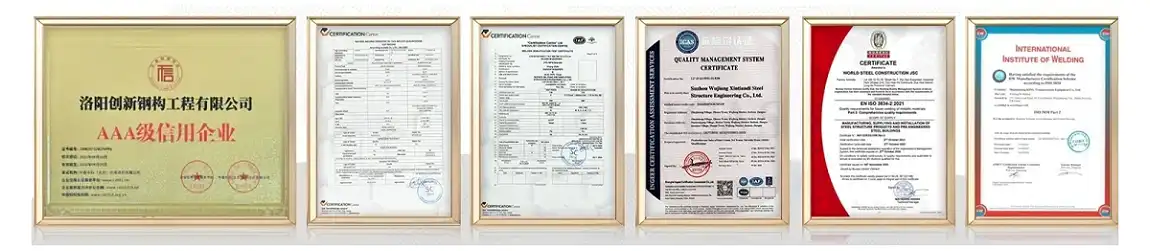
The full service plan includes design, production, packing, and assembly drawings. This means that procurement teams get shop drawings that can be used right away on the job site, without having to hire engineers to do separate work. Some of the certifications that are held are ISO 9001, CE, COC, and PVOC. These meet the requirements for import compliance in North American and international markets. By industry standards, production lead times are short, which is important when project deadlines are tight.
Installation is done by dry assembly, which means that the main parts are connected by bolts or engineered welds. This eliminates the need for curing time and allows for year-round assembly, no matter the weather.
Large-scale suppliers of commodity sections include ArcelorMittal, Tata Steel, and Nippon Steel. However, for project-specific manufacturing like custom lengths, non-standard profiles, and integrated surface treatment, it is often better to use a fully integrated maker instead of a trade middleman.
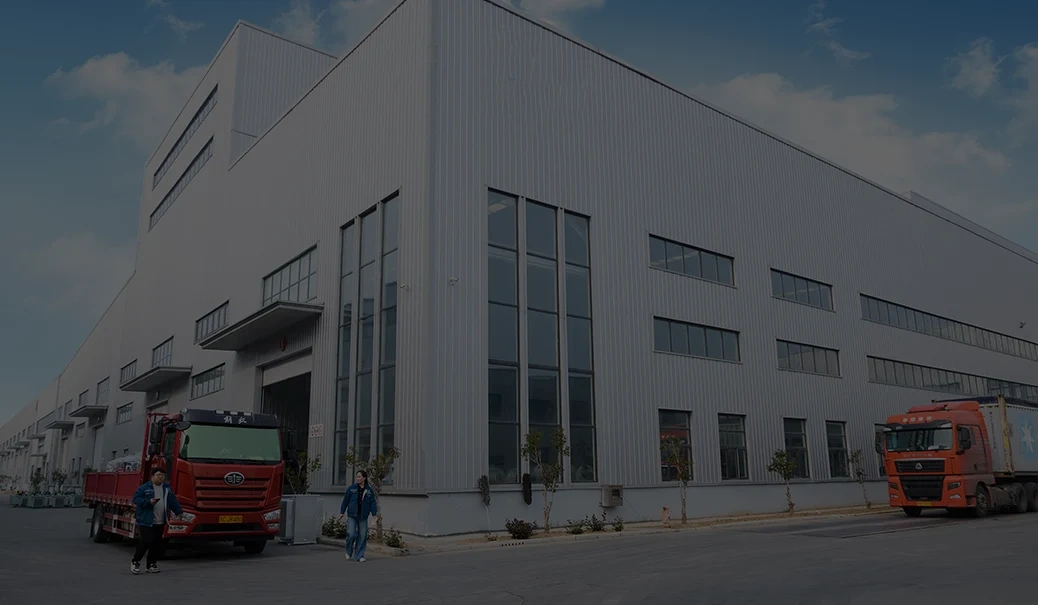
At Luoyang Innovation Building Material Co., LTD, they have a 50,000-square-meter factory and offer all engineering services, such as design and drawing breakdown, detailed design, budgeting, and help with bidding. This end-to-end capability makes it easier for both purchasing managers and engineering teams to work together. When looking at Steel Structure Beam suppliers, make sure to ask for MTC paperwork, look at the scope of the third-party certification, and make sure that the wait time given is based on real production capacity and not just an optimistic guess.
The safety, cost, schedule, and long-term value of a project are all affected by the choice of Steel Structure Beam. Heavy-span industrial applications mostly use H-beams, while square tubes and cold-formed sections are used for lighter or more aesthetically demanding requirements. Galvanized secondary purlin systems connect the entire frame and work together with the Steel Structure Beam to provide structural stability. A provider with verified certifications, proven fabrication capacity, and integrated technical support can eliminate many of the issues that slow down procurement decisions. Steel can also be recycled repeatedly, supporting ESG goals and providing measurable lifecycle advantages over concrete alternatives. By carefully evaluating the specifications of each Steel Structure Beam and thoroughly checking the supplier's credentials, project teams can build structures that deliver reliable performance for generations.
Put together your design loads (dead, live, and wind) and decide how long you want the span to be. These should be put into the AISC 360 or Eurocode 3 beam selection tools to find the minimum section value that is needed. For seismic zones in particular, a licensed structural engineer should check the final sizes.
Because their webs and flanges are stronger and wider, H-beams are better at resisting horizontal and torsional bowing when heavy loads are spread out. I-beams are cheaper per meter and lighter, but they can only bend so much before they break. This means they are better for secondary framing roles.
Hot-dip galvanization creates a zinc covering 45–85 µm thick, and a suitable topcoat system makes it possible for a service life of more than 50 years in most atmospheric conditions. For the same amount of time, a C5-rated coating system is needed for sites that are near the coast or are chemically aggressive.
Yes. Plate strengthening, extra bolt holes, and web stiffeners are all field changes that can be made to steel much more easily than to concrete. Before work starts, any changes must be reviewed and approved by the project's structural engineer of record.
Luoyang Innovation Building Material Co., LTD is a full-service Steel Structure Beam provider with a production capacity of 50,000 tons per year, ISO 9001, CE, COC, and PVOC certifications, and a service package that includes design drawings all the way through assembly plans. No matter if you are looking for a place to build a pharmaceutical facility, a food processing plant, or a big industrial park, our engineering team can make a solution that works for you and your budget. contact us at eric@cxsteelstructure.com or innovationsteelstructure.com right now to get a competitive quote on your project.
1. American Institute of Steel Construction (AISC). Steel Construction Manual, 16th Edition. AISC, 2023.
2. European Committee for Standardization. EN 10025: Hot-Rolled Products of Structural Steels. CEN, 2019.
3. Gorenc, B., Tinyou, R., & Syam, A. Steel Designers' Handbook, 8th Edition. UNSW Press, 2012.
4. Kulak, G. L., & Grondin, G. Y. Limit States Design in Structural Steel, 9th Edition. Canadian Institute of Steel Construction, 2010.
5. Salmon, C. G., Johnson, J. E., & Malhas, F. A. Steel Structures: Design and Behavior, 5th Edition. Pearson Prentice Hall, 2009.
6. International Organization for Standardization. ISO 12944: Paints and Varnishes — Corrosion Protection of Steel Structures by Protective Paint Systems. ISO, 2018.
March 18, 2024
Their steel structures are exceptionally strong and precisely manufactured. The entire production process was highly professional.
September 7, 2024
We were impressed by their advanced steel structure production line and excellent fabrication quality. The final products met our project requirements perfectly.
February 14, 2025
From structural design and detailing to fabrication and delivery, their technical team provided professional support throughout the project.
July 22, 2026
The steel structure components showed excellent precision, durability, and workmanship. Their reliable service gave us great confidence in the project.