March 18, 2024
Their steel structures are exceptionally strong and precisely manufactured. The entire production process was highly professional.
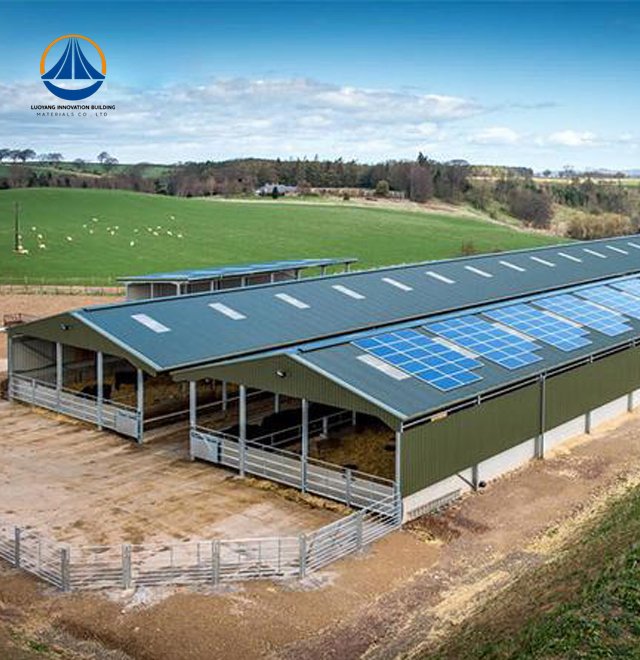
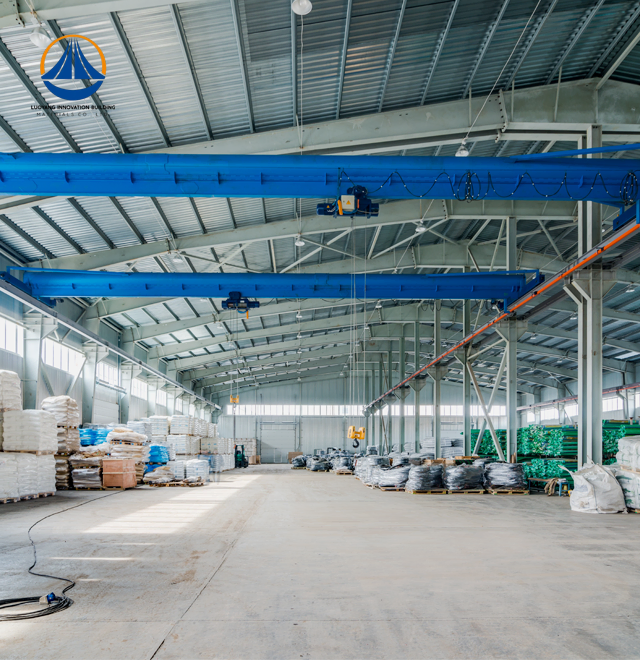
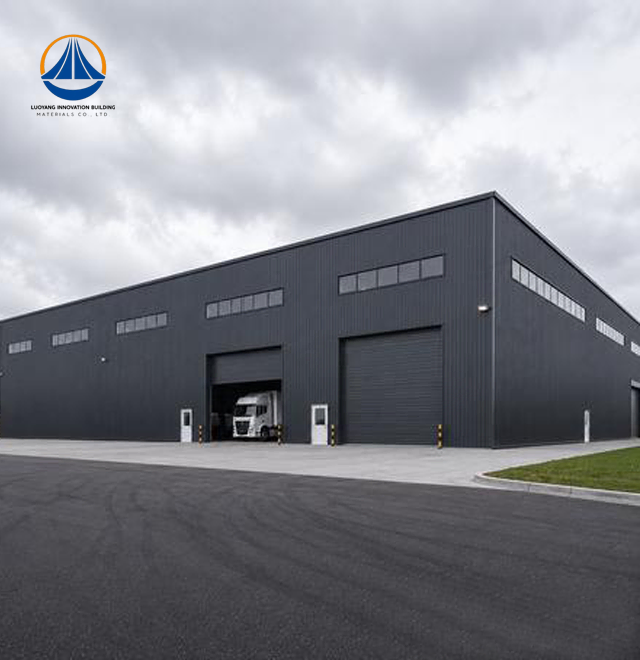
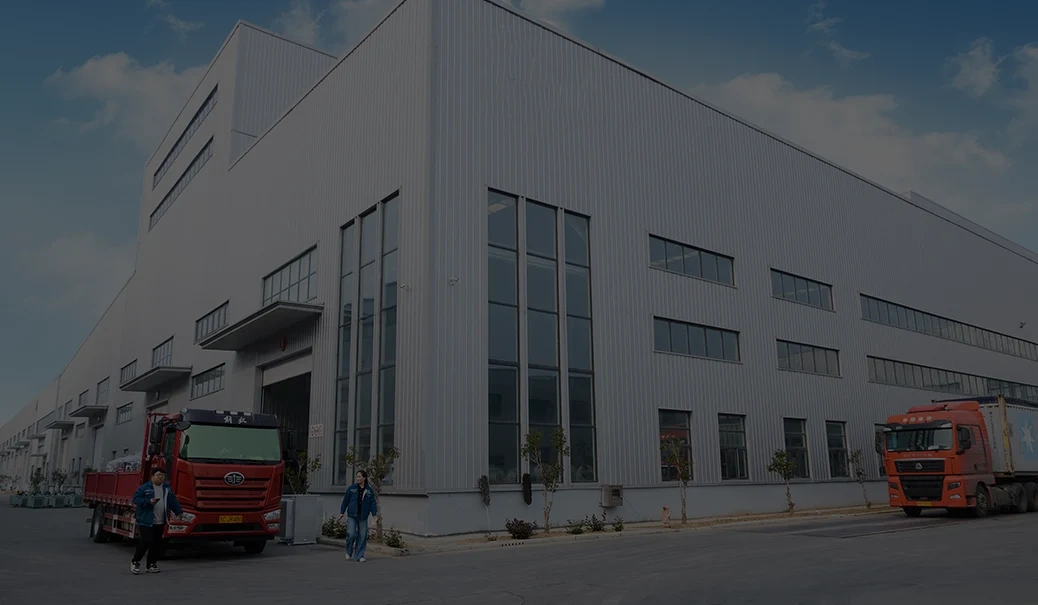
For solar installations, Luoyang Innovation Building Material Co., LTD specializes in producing Photovoltaic Steel Mounting Structures that offer unparalleled stability and longevity. With an annual steel structure capacity of 50,000 tons, our company runs a 50,000-square-meter manufacturing facility that is supported by internationally advanced equipment and intelligent processing production lines. Q235/Q355 structural steel with sophisticated galvanized coatings is used in these precisely developed support systems, which are made to meet Class II fire resistance requirements and seismic intensity 7. We offer complete solutions from design to installation, guaranteeing your solar projects attain the best structural performance and long-term dependability. We produce over 2 million square meters of building materials annually.

A basic problem for solar companies is striking a balance between initial investment and operational security over a 25-year period. This is addressed by steel mounting systems, which have greater stiffness and load-bearing capacity than aluminum. Steel's limited structural deflection prevents fragile solar cells from microcracking when wind gusts surpass 150 km/h or snow buildup reaches critical levels.
System uptime determines the return on investment for your project. Steel's high modulus of elasticity guaranties little deformation when subjected to mechanical stress and heat cycling. Reduced maintenance calls and continuous energy generation are direct results of this steadiness.
Steel piles buried deep in the earth offer the torque resistance required for solar trackers on utility-scale ground mounts over uneven terrain. Wider spans between supports are made possible by the material's density, which lowers foundation costs while preserving structural integrity in difficult topographies.
| Parameter | Specification |
|---|---|
| Primary Material | Q235/Q355 structural steel |
| Coating Type | Hot-Dip Galvanized (HDG) 65-85μm / ZAM |
| Yield Strength | S235-S355 (235-355 MPa) |
| Seismic Rating | Intensity 7 |
| Fire Resistance | Class II |
| Wind Resistance | Up to 200km/h (with proper engineering) |
| Design Standards | ISO9001, CE, Eurocode 3 (EN 1993) |
| Corrosion Protection | Salt spray tested per ASTM B117 |
| Structural Safety | Class II |
| Dimensional Tolerance | ±1mm hole alignment |
| Service Life | 25+ years |
Mounting structures are subject to increased corrosion in industrial zones and coastal locations. Hot-Dip Galvanizing, which complies with ISO 1461 requirements, creates a metallurgical bond that provides protection even at cut edges in our photovoltaic steel mounting structures.
Advanced coatings of zinc, aluminum, and magnesium offer self-healing, sacrificial protection. The electrochemical characteristics of the coating stop rust from spreading when surface scratches happen during installation. Salt spray testing validates performance in high-humidity agricultural and marine situations by simulating decades of exposure.
Magnetic induction gages are used in the coating thickness verification procedure to guaranty uniformity in each component. The galvanic corrosion hazards that afflict mixed-metal installations—where different metals produce harmful electrochemical reactions—are eliminated by this attention to detail.

Precision-made parts determine how long your job will take. Dimensional accuracy within ±1mm tolerances is achieved by our intelligent steel structure processing production line. Pre-drilled holes eliminate expensive onsite adjustments by perfectly aligning during field assembly.
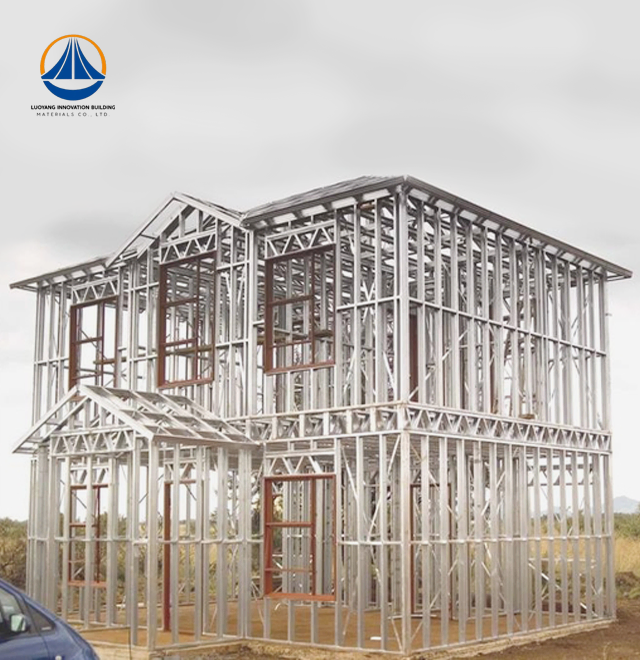
Prefabricated parts are sent prepared for bolt-together assembly. Compared to cast-in-place foundations, this dry building technique requires 40% less work on site. Crews can finish installations 30–50% faster than with conventional methods because to standardized connecting details.
Thermal expansion is accommodated via slotted mounting holes without causing modules to experience more stress. In order to maintain ideal panel alignment for maximum energy capture during seasonal changes, this engineering element avoids frame bowing during temperature cycles.
Utility-Scale Ground Mount Systems: Large solar farms require the structural depth that only steel provides. C-channel or Sigma-post piles resist the torsional forces generated by tracker motors, maintaining precise panel orientation even in high winds.
Industrial Rooftop Installations: Typhoon-prone regions demand mounting systems with mass and tensile strength to resist uplift forces. Ballasted steel structures provide the necessary weight distribution without penetrating weatherproofing membranes.
Agrivoltaic High-Clearance Designs: Agricultural solar installations need wider column spacing for machinery access. Steel's load-bearing capacity supports 4-6 meter spans while withstanding the ammonia-rich, high-humidity atmospheres of farming operations.
Complex Terrain Projects: Uneven topography and challenging soil conditions require the adaptability of driven steel piles. Variable pile depths compensate for grade changes without expensive earthwork or concrete leveling pads.
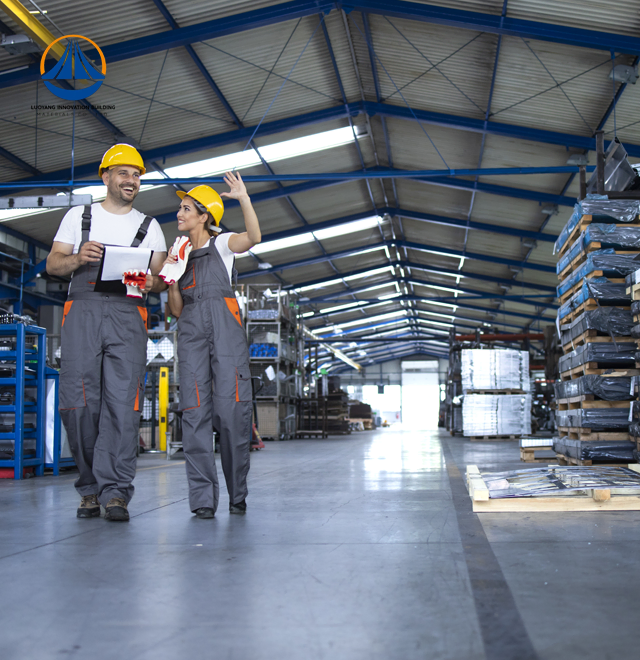
Every batch undergoes rigorous inspection protocols before shipment. Material grade testing verifies steel heat numbers against Mill Test Certificates through chemical analysis and tensile strength testing. Non-Destructive Testing using ultrasonic and magnetic particle methods confirms weld integrity.
Coating thickness measurements across multiple points ensure HDG layers meet specified microns. Dimensional checks verify purlin straightness and connection point alignment. These quality control measures eliminate the installation delays caused by out-of-tolerance components.
Our manufacturing process follows strict standards throughout production, from raw material selection through final packaging. This systematic approach delivers the reliability your project requires for decades of maintenance-free operation.

Q: Why choose steel over aluminum for solar mounting structures?
A: Steel provides higher structural rigidity essential for large-scale projects. The material's superior strength-to-cost ratio makes it the economical choice when supporting hundreds of kilowatts across challenging terrain or high-wind zones.
Q: How do steel structures perform in coastal environments?
A: Zinc-Aluminum-Magnesium coatings offer 5-10 times the corrosion resistance of standard galvanization. The sacrificial protection extends to cut edges and fastener points, preventing the rust blooms that compromise structural integrity.
Q: Can these systems withstand extreme wind events?
A: Yes, when engineered using site-specific wind tunnel data. High-tensile Q355B steel combined with proper foundation design resists wind speeds exceeding 200km/h while maintaining panel security.
Q: What maintenance do steel mounting systems require?
A: High-quality structures are virtually maintenance-free. Annual inspections typically focus on fastener torque verification rather than structural issues, reducing operational costs over the system's 25-year lifespan.
Q: Do thermal expansion issues affect steel structures?
A: Professional designs incorporate slotted holes and expansion joints that allow dimensional changes without stressing modules. This prevents frame distortion during daily and seasonal temperature cycles.
Q: How quickly can installation be completed?
A: Prefabricated components with precision hole alignment enable 30-50% faster installation compared to site-fabricated alternatives. Crews complete assembly using standard tools without specialized welding equipment.
Luoyang Innovation Building Material Co., LTD combines 50,000 tons of annual production capacity with advanced quality control systems to deliver Photovoltaic Steel Mounting Structures that exceed industry standards. Our experienced engineering team provides customized solutions from initial design through installation support.
Ready to discuss your solar project requirements? Contact our technical specialists at eric@cxsteelstructure.com for detailed specifications and project consultation.
March 18, 2024
Their steel structures are exceptionally strong and precisely manufactured. The entire production process was highly professional.
September 7, 2024
We were impressed by their advanced steel structure production line and excellent fabrication quality. The final products met our project requirements perfectly.
February 14, 2025
From structural design and detailing to fabrication and delivery, their technical team provided professional support throughout the project.
July 22, 2026
The steel structure components showed excellent precision, durability, and workmanship. Their reliable service gave us great confidence in the project.