March 18, 2024
Their steel structures are exceptionally strong and precisely manufactured. The entire production process was highly professional.
Oct 26, 2026
When procuring an anti-rust steel structure for industrial or commercial use, coating quality is one of the most consequential factors that determines long-term performance. A substandard protective coating can cause structural degradation within just a few years, leading to safety hazards and costly repairs. This guide walks procurement managers, project engineers, and factory owners through the critical coating risks to verify before signing any purchase contract — helping you protect your investment and keep your project on schedule.
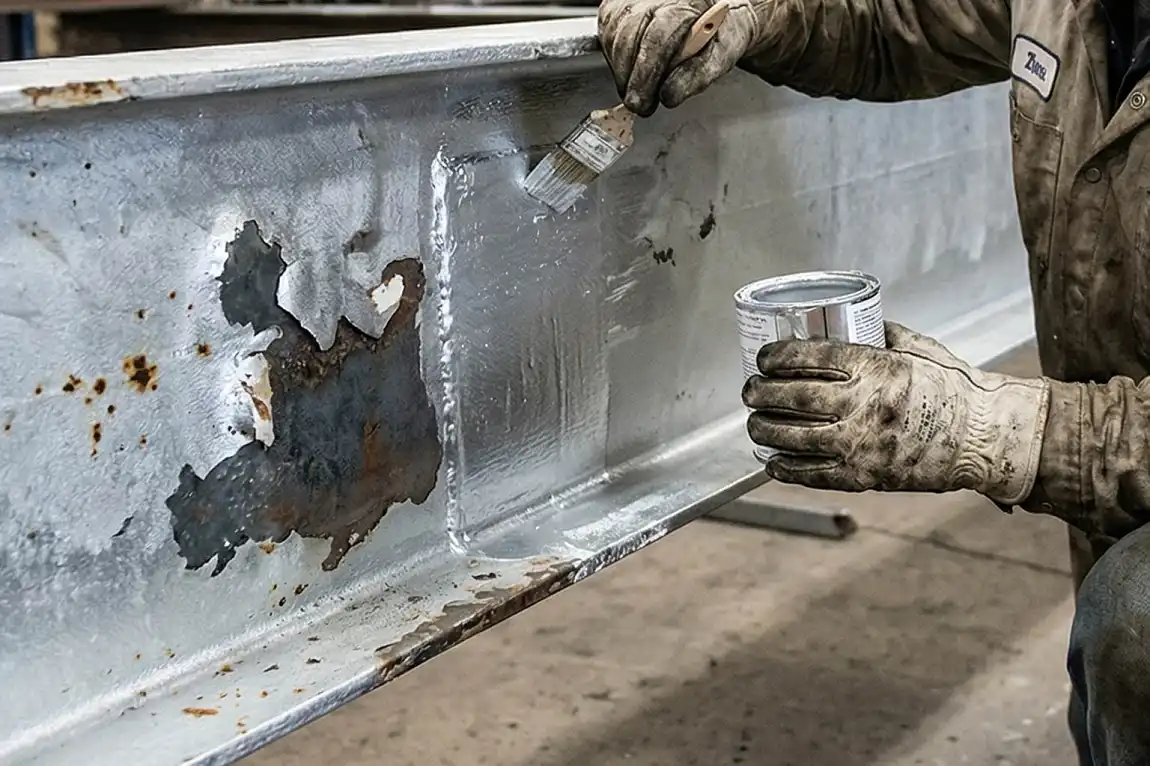
An electrochemically or mechanically treated base steel in an Anti-Rust Steel Structure doesn't rust or break down. To make sure everything is safe, a lot of people use epoxy primers, polyurethane topcoats, hot-dip galvanizing (HDG), and duplex finishing mixes. Different types of corrosion prevention systems are put into groups based on the weather where they are used. Going from C1 (dry indoor) to C5 (industrial/marine), these groups are what they are. It is clear what this means for the sort of covering that needs to be used.
The cover could fail if the thing it's on is bad. Sometimes they happen because the surface wasn't ready, the wrong primer was used, or the dry film thickness (DFT) wasn't high enough. When NACE International looked into it, they found that about 80% of coating problems are caused by the surface not being ready properly, not by the coating material itself. There are ways to make a surface better so that water doesn't stick to it. This lets rust form faster than on steel that hasn't been touched.
Food processing plants, drug plants, and electronics industry areas are all places where temperature, humidity, and strong cleaning agents change all the time. They clean these places a lot. All of these things wear down the covering over time, making it stick less well. An acidic washdown process and water that has ammonia in it can damage a metal purlin in a dairy plant. The coating might not last as long (30–40%) in this case as it would in a normal warehouse.
Before any finish is put on the steel of an Anti-Rust Steel Structure, it needs to be at least Sa 2.5 or Sa 3 (almost white metal). When people sign contracts to get things, it should be clear that they need to approve the surface preparation. After two or three years, even the best epoxy will come off if you don't do this.
People who buy coatings with a grade of C3 often use them in places where a grade of C5 is needed. Before you place your order, make sure that the finishing system fits the ISO 12944 corrosivity group of the project. Alkyd paint shouldn't be used in places that make drugs or food that gets a lot of water on it. Instead, a polyurethane or epoxy-phenolic system that doesn't react with chemicals should be used.
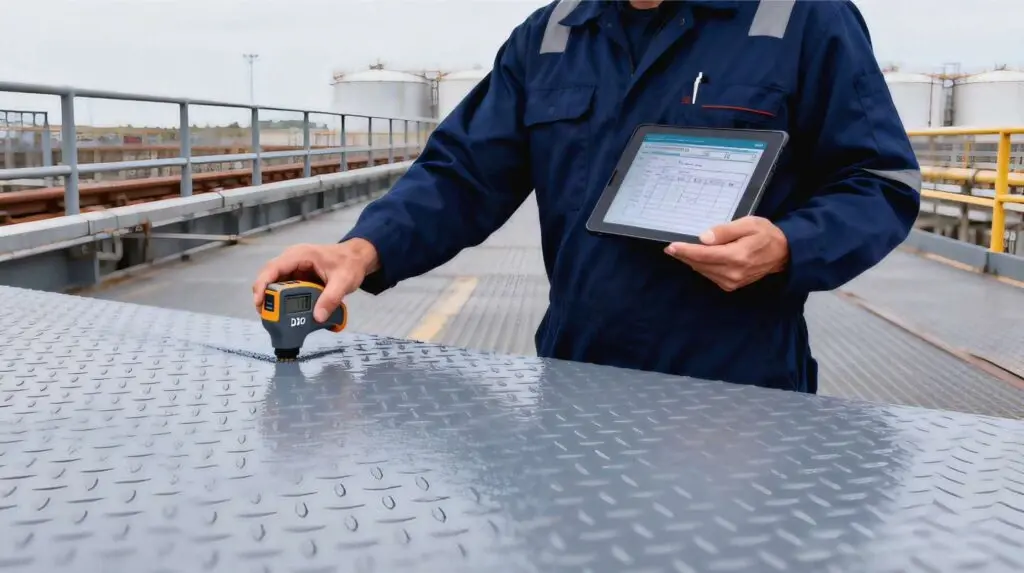
You can use two different kinds of magnetic induction gauges to find out how thick a dry film is. Most of the time, it's between 85 and 300 µm, but it depends on the type of rust. Too thin of a coating doesn't cover as well, and too thick of a coating can put too much stress on the metal inside and break it. Before you take delivery, you should get a DFT inspection report from the provider.
The HDG's job is to protect the cathode by making metal links between the zinc and iron in an Anti-Rust Steel Structure. You don't have to re-coat it for twenty to fifty years if it hasn't rusted too much. It works great on rough spots. When you paint, on the other hand, you can choose from more colors and chemical stoppers. It does depend on how well the paint is put on and how well the area is prepared.
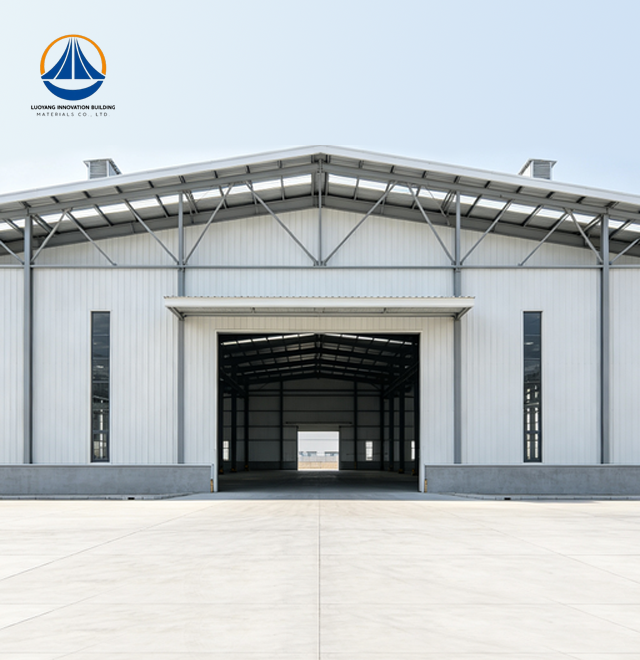
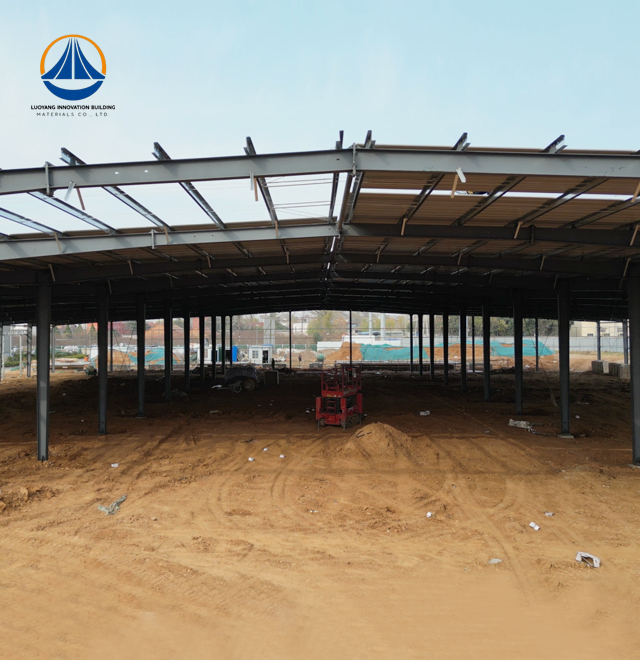
You get a smooth film that doesn't need any solvents when you powder coat something. It can also handle UV light and being hit hard. It works for parts that will be cleaned with mild chemicals or left outside to weather. Epoxy paints can be made to work with different pH levels. This means that powder coating doesn't handle strong chemicals as well as liquid epoxy paints do. What is the best material for a building with a floor space of 12,160 m² and an eave height of 7.67 m, like the ones made by Luoyang Innovation Building Material Co., Ltd.? What the building is used for determines why and how often it needs to be fixed up.
This metal doesn't rust because it is made of alloys. For that reason, it costs four to six times more than carbon steel that has been handled. It will last as long as a properly specified duplex coating system on structural carbon steel, but it will cost a lot less. This is true as long as the coating is properly specified, applied, and tested. This is true for many business buildings and the systems that help clean rooms work.
A planned screening process that does more than just look at prices can help people who want to buy Anti-Rust Steel Structures. These things should be done before you place your order:
You're less likely to make something that looks good but doesn't work right. These tools will help you keep your project on track and lower its overall cost if you use them often.
Every six to twelve months, you should check the coating of the Anti-Rust Steel Structure. Paired welds, bolt joints, and other places where machines could wear down need extra care. Find rust early and look for chalking, flaking, or small cracks. This will stop it from moving to other parts of the building.
This is repair paint that has a lot of zinc in it. You can use it to cut off the edges of broken pieces and put them back together again. The same chemical that was used to cover the original system can be used to paint some parts of the shield. The shield will stay up this way and not need to be changed. Write down every time you touch up the coating in a daily log. When you coat it again, this will help.
Take good care of the work area to make the layer last longer. So that water doesn't pool near the bases of steel beams, drains should be put in place. It is not a good idea to spray chemicals directly on building parts in places that work with food or drugs because the coatings could wear off. Putting up extra barriers, like PVC column guards in places where a lot of people walk, is a good way to make things better.
Before you buy an Anti-Rust Steel Structure, you should really think about how good the finish is. This is because the finish affects how long it will last and how much the whole job will cost. Tests for surface preparation, DFT proof, and corrosivity category matches are some of the steps in the coating testing process. Over the course of 30 to 50 years, each one changes how the building works. If procurement workers do these checks on a regular basis, they will keep their buildings safe and avoid having to pay for repairs they didn't plan for.
You should look over the work of the Anti-Rust Steel Structure to see if there are any cracks, holes, or spots that aren't covered all the way. Then ask for proof that they follow ISO 12944 and the DFT inspection report. A holiday detector can help you find tiny holes that you would miss if you didn't have one.
The length of time a coating lasts depends on the surface preparation standard (Sa 2.5 or Sa 3), how accurate the DFT is, the type of coating chemical used based on the environment, and the conditions under which it cures. In a C3 urban-industrial setting, a high-build epoxy system should last at least 20 years before it needs major repairs.
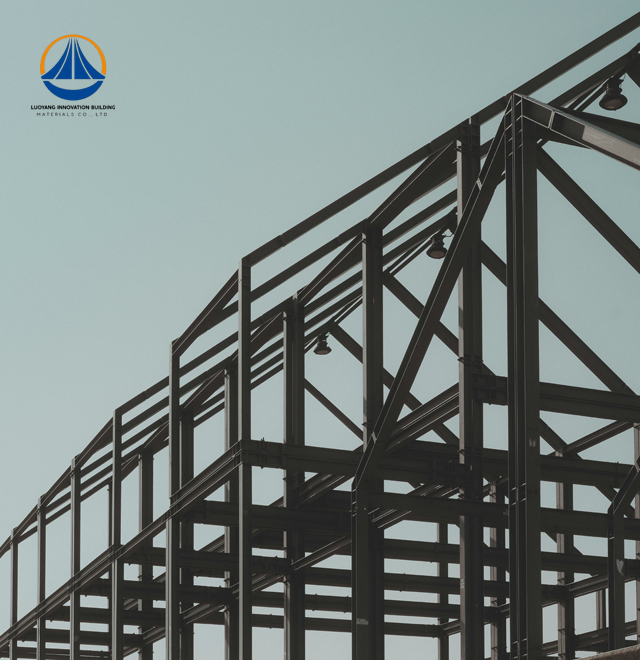
HDG, epoxy, and polyurethane solutions don't change how the steel works when they're used to stop rust. To make portal frame buildings, people often use carbon steel, zinc purlins, and coated galvanized sheets to make the frames. All of these work with these frames.
There is heat damage that needs to be fixed right away with a solution that is high in zinc. Only then can you weld on-site. The block will now work once more. You leave a spot for rust that breaks down quickly if you don't do this.
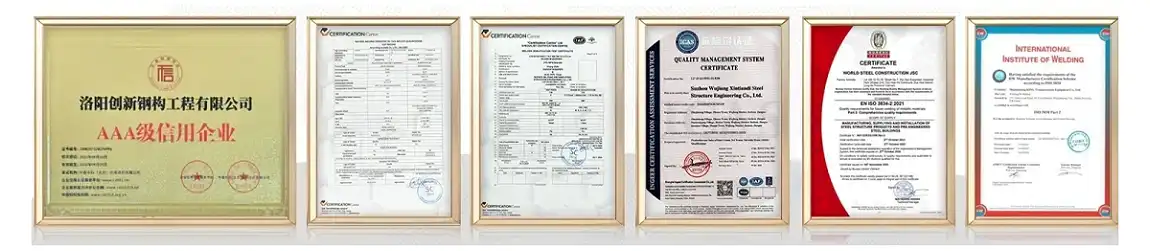
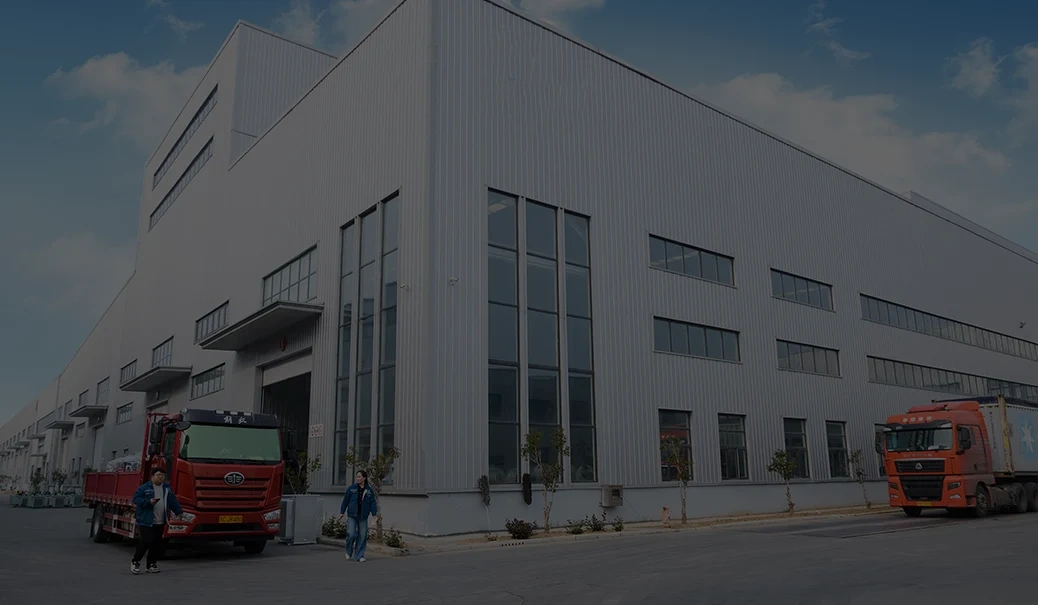
Any Anti-Rust Steel Structure solution you need can be built by Luoyang Innovation Building Material Co.,LTD in 60 days. These ways are okay with ISO9001, CE, and ASTM. If you buy a building from our company, it will have zinc purlins and covered galvanized steel sheets that are fireproof up to Class II levels and 7 magnitudes. They can be as big as 180 m × 68.9 m and have 7.67 m high roofs. Because you can trust us, we help put our projects together and give you full engineering plans. contact us at eric@cxsteelstructure.com or visit innovationsteelstructure.com.
1. NACE International. Corrosion Control in the Chemical Process Industries. 2nd ed. NACE International, 2015.
2. ISO 12944. Paints and Varnishes — Corrosion Protection of Steel Structures by Protective Paint Systems. International Organization for Standardization, 2018.
3. ASTM A123. Standard Specification for Zinc (Hot-Dip Galvanized) Coatings on Iron and Steel Products. ASTM International, 2017.
4. Schweitzer, Philip A. Fundamentals of Metallic Corrosion: Atmospheric and Media Corrosion of Metals. CRC Press, 2006.
5. American Institute of Steel Construction (AISC). Steel Construction Manual. 16th ed. AISC, 2023.
6. Munger, Charles G., and Louis D. Vincent. Corrosion Prevention by Protective Coatings. 3rd ed. NACE International, 2014.
March 18, 2024
Their steel structures are exceptionally strong and precisely manufactured. The entire production process was highly professional.
September 7, 2024
We were impressed by their advanced steel structure production line and excellent fabrication quality. The final products met our project requirements perfectly.
February 14, 2025
From structural design and detailing to fabrication and delivery, their technical team provided professional support throughout the project.
July 22, 2026
The steel structure components showed excellent precision, durability, and workmanship. Their reliable service gave us great confidence in the project.