
March 18, 2024
Their steel structures are exceptionally strong and precisely manufactured. The entire production process was highly professional.
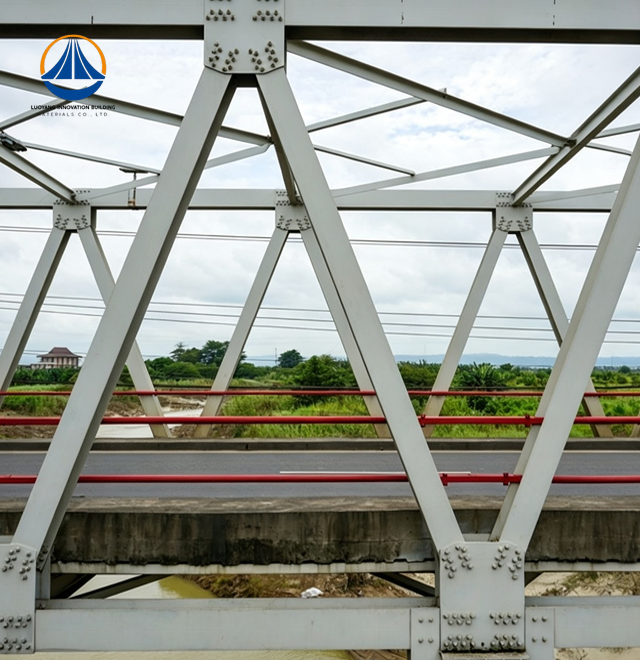
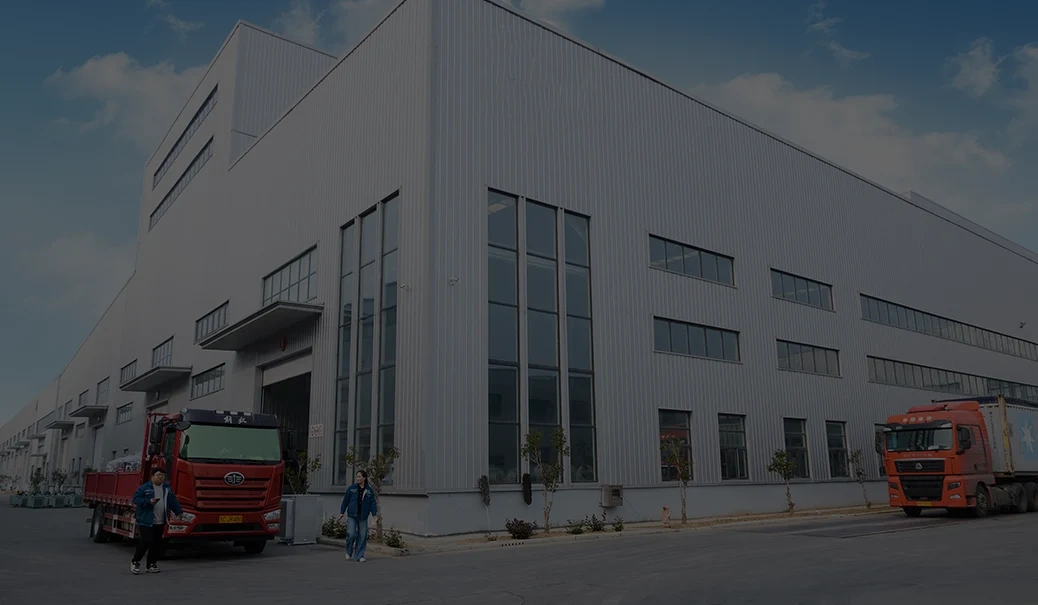
Advanced steel structure bridge systems designed for quick deployment and outstanding endurance are Luoyang Innovation Building Material Co., LTD's area of expertise. With a 50,000-square-meter production base and a 50,000-ton yearly steel fabrication capacity, we provide prefabricated bridge components that cut down on-site building time by 30% to 50% when compared to conventional methods. High-grade Q355B to Q420 structural steel with a modulus of elasticity of 210 GPa is used in our Bridge systems, guaranteeing dependable performance under heavy loads and seismic situations. Our ISO9001-certified quality procedures and intelligent manufacturing line are beneficial to every project.
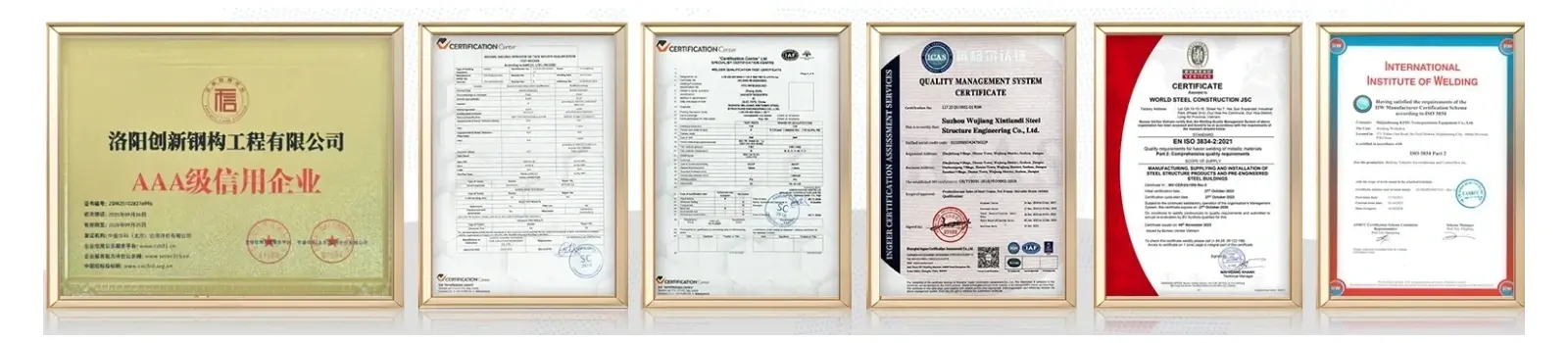
Steel bridges address important issues in contemporary infrastructure. Conventional concrete bridges produce a significant amount of waste on-site and require long curing times. Production is moved to regulated industrial settings by a Bridge, where automated cutting and precise welding guaranty millimeter-level dimensional accuracy.
Lighter foundations result from the material's exceptional strength-to-weight ratio. Substructure expenses can be reduced by up to 40% when compared to alternatives made of reinforced concrete. Steel is perfect for earthquake-prone areas because of its natural ductility, which absorbs seismic energy.
Modular delivery is made possible by prefabrication. In order to minimize traffic disruption, components arrive prepared for bolt-together assembly. Road closures can be decreased by 60% by installing urban pedestrian overpasses overnight.
River Crossings with Long Spans
In large rivers, midstream piers are eliminated by suspension and cable-stayed steel structure bridge designs. Concrete cannot hold spans more than 500 meters due to steel's tensile strength. This strategy lessens navigational risks while safeguarding aquatic habitats.
Quick Development of Urban Infrastructure
Minimal interruption is required in metropolitan areas. Our elevated walkways and prefabricated highway interchanges are installed in a matter of days rather than months. Traffic flow is instantly restored when pre-welded truss pieces are connected on-site using high-strength bolts.
Systems for Heavy-Load Railroads
Millions of cyclic loads are applied on high-speed train bridges. Geometric stability is maintained at speeds above 300 km/h thanks to steel's fatigue resistance. Strict railroad regulations are met via vibration control, guaranteeing both track longevity and passenger comfort in harsh weather.
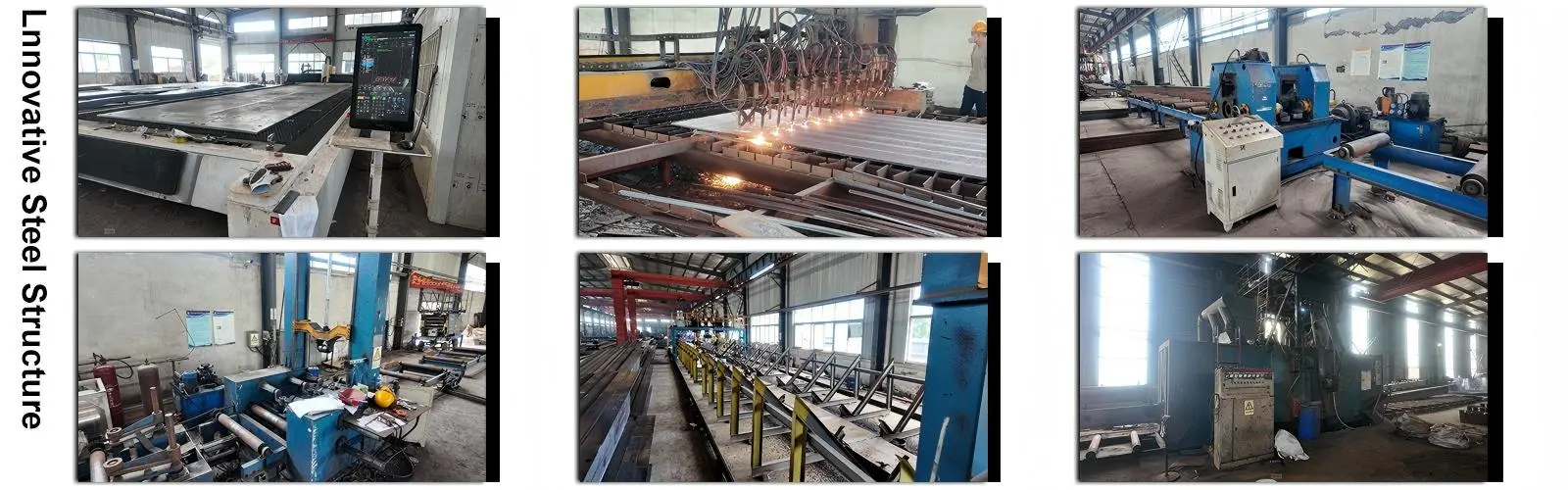
Our Bridge systems comply with AASHTO LRFD, Eurocode 3, and ISO 12944 standards. Material selection prioritizes fracture toughness and weldability for 50-100 year design lives.
| Parameter | Specification |
|---|---|
| Primary Steel Grade | Q355B, Q420, ASTM A709 |
| Yield Strength | 355-420 MPa |
| Modulus of Elasticity | 210 GPa |
| Structural System | H-beam, box girder, truss, arch |
| Secondary Framing | Galvanized C/Z-purlins, tie rods |
| Corrosion Protection | Hot-dip galvanizing, C5-M coating (ISO 12944) |
| Welding Standard | AWS D1.5, 100% UT/RT inspection |
| Design Life | 50-100 years |
| Recyclability | 100% reusable steel |
Quick-Track Building
Site preparation occurs together with factory prefabrication. Steel segments erect in weeks after foundations cure. Early revenue generating can help you recover your investment more quickly.
Open Spans Without Columns
Unobstructed deck space is made possible by steel. You get the most useable space possible without the need for intermediary supports, whether for pedestrian plazas or vehicle traffic.
Wind and Seismic Resilience
Brittle concrete is outperformed by materials with high ductility and consistent characteristics. By preventing catastrophic breakdown during earthquakes, energy absorption complies with current safety regulations.
The Circular and Green Economy
Dust and water use are eliminated with dry installation. Steel bridges that have been demolished produce 100% recyclable material, which complies with ESG regulations and carbon reduction objectives.
Long-Term Worth
Lightweight construction reduces foundation costs by 30% to 40%. Biennial inspections and coating renewals every 15 to 25 years are examples of basic maintenance programs that save lifecycle costs.
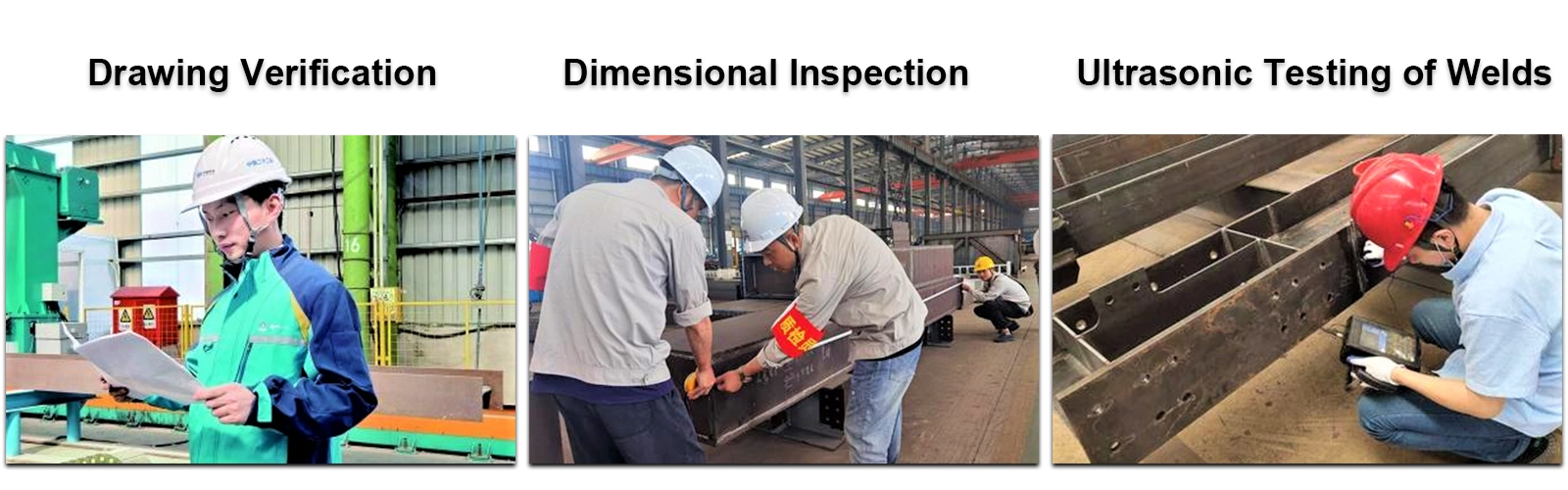
To ensure structural integrity prior to shipment, we implement stringent Non-Destructive Testing (NDT) procedures.
Inspection of Welding
According to AWS D1.5, every butt weld in tension zones is subjected to 100% Ultrasonic Testing (UT) or Radiographic Testing (RT). No internal flaws are allowed.
Verification of Surface Treatment
Sa 2.5 cleanliness is attained with grit blasting. Epoxy or zinc-rich coatings are verified to meet corrosion resistance standards using Dry Film Thickness (DFT) gages.
Pre-Assembly Shop
Bolt hole alignment and camber geometry are confirmed by full-scale trial fits. This guaranties a smooth on-site erection and removes field fit-up delays.
Traceability of Materials
Every steel plate's mechanical characteristics and chemical makeup are recorded by Mill Test Certificates (MTC), which offer comprehensive audit trails for quality control.
Q: How does corrosion protection work in marine environments?
A: We apply Hot-Dip Galvanizing or high-performance C5-M rated coatings per ISO 12944. These systems withstand salt spray for decades, ideal for coastal bridges.
Q: Is the initial investment higher than concrete bridges?
A: Material costs may be slightly elevated, but total project expenses drop due to faster construction, reduced foundation work, and lower equipment rental fees.
Q: How is fatigue life calculated?
A: We follow Eurocode 3 or AASHTO stress-range analysis, eliminating stress concentrators during welding. This ensures structural integrity under millions of load cycles.
Q: Can the bridge be modified after installation?
A: Absolutely. Steel's adaptability allows future widening or reinforcement through field welding or bolted connections, extending service life affordably.
Q: What maintenance schedule should I expect?
A: Biennial inspections suffice for most environments. Major coating maintenance occurs every 15-25 years, depending on exposure category and environmental conditions.
Ready to accelerate your infrastructure project with proven Steel Structure Bridge technology? Our engineering team provides end-to-end support—from design and fabrication to installation guidance—ensuring on-time delivery and code compliance.
contact us today at eric@cxsteelstructure.com to discuss your custom bridge solution.
March 18, 2024
Their steel structures are exceptionally strong and precisely manufactured. The entire production process was highly professional.
September 7, 2024
We were impressed by their advanced steel structure production line and excellent fabrication quality. The final products met our project requirements perfectly.
February 14, 2025
From structural design and detailing to fabrication and delivery, their technical team provided professional support throughout the project.
July 22, 2026
The steel structure components showed excellent precision, durability, and workmanship. Their reliable service gave us great confidence in the project.