March 18, 2024
Their steel structures are exceptionally strong and precisely manufactured. The entire production process was highly professional.
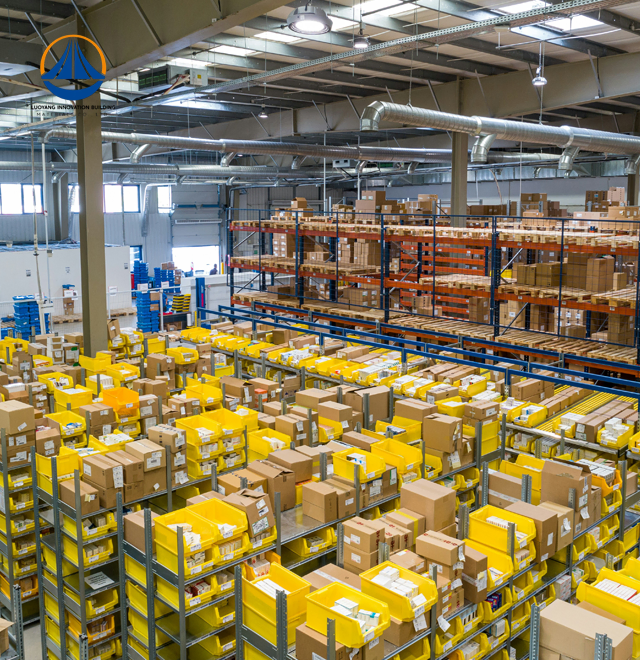
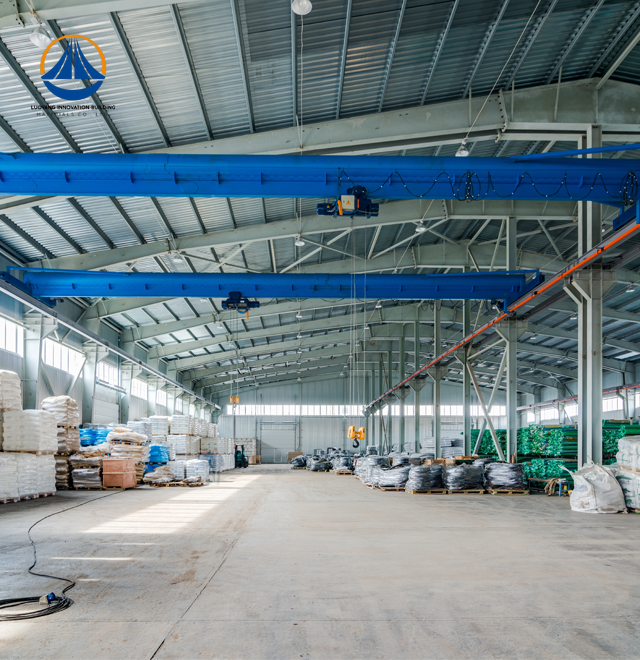
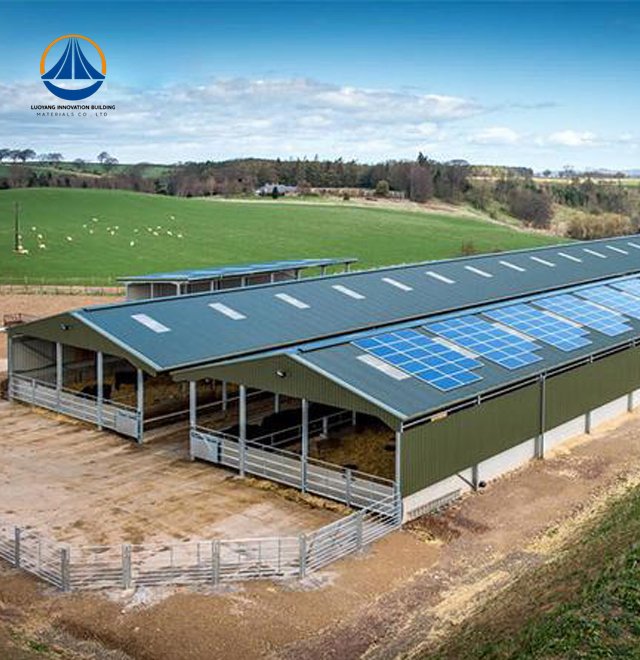
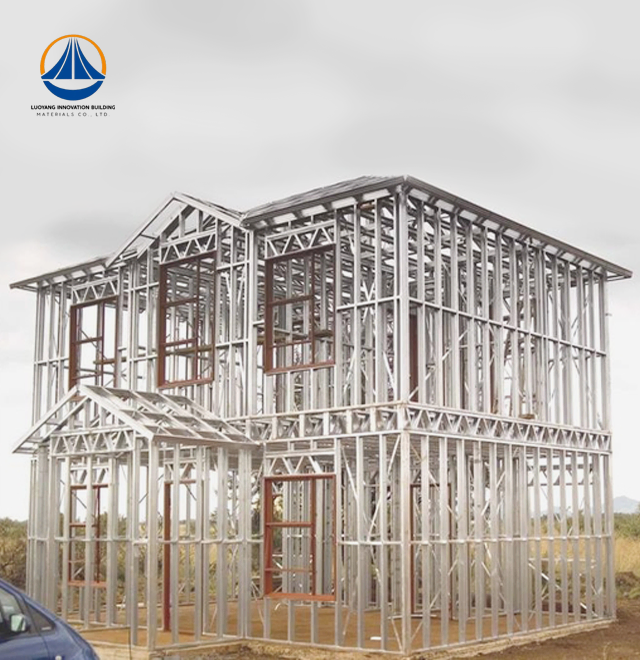
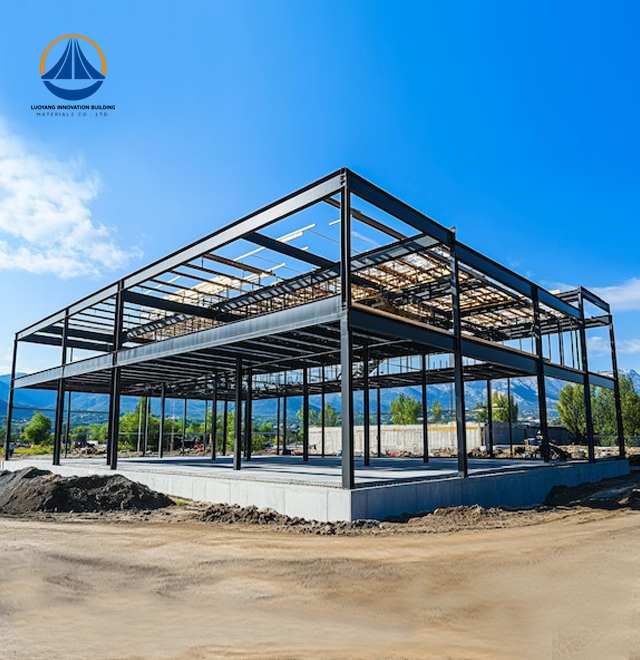
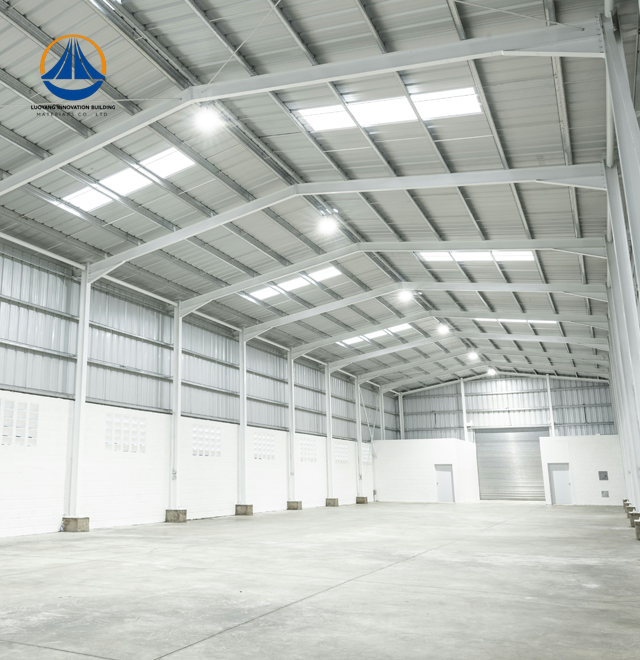
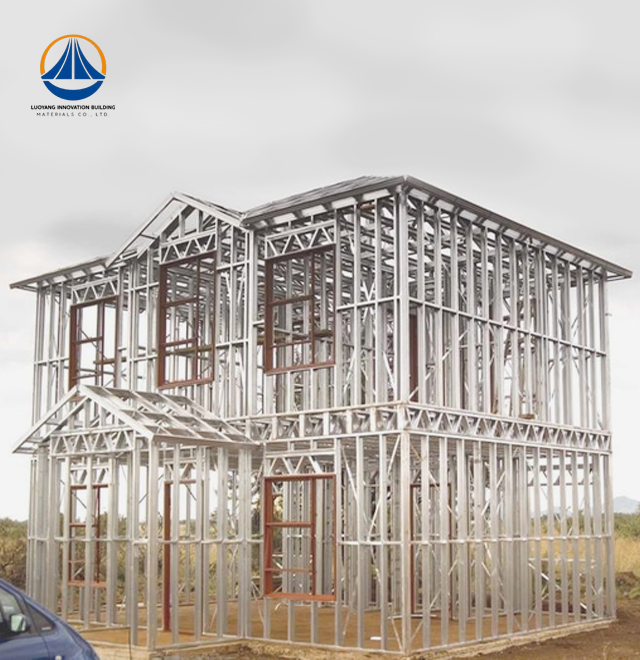
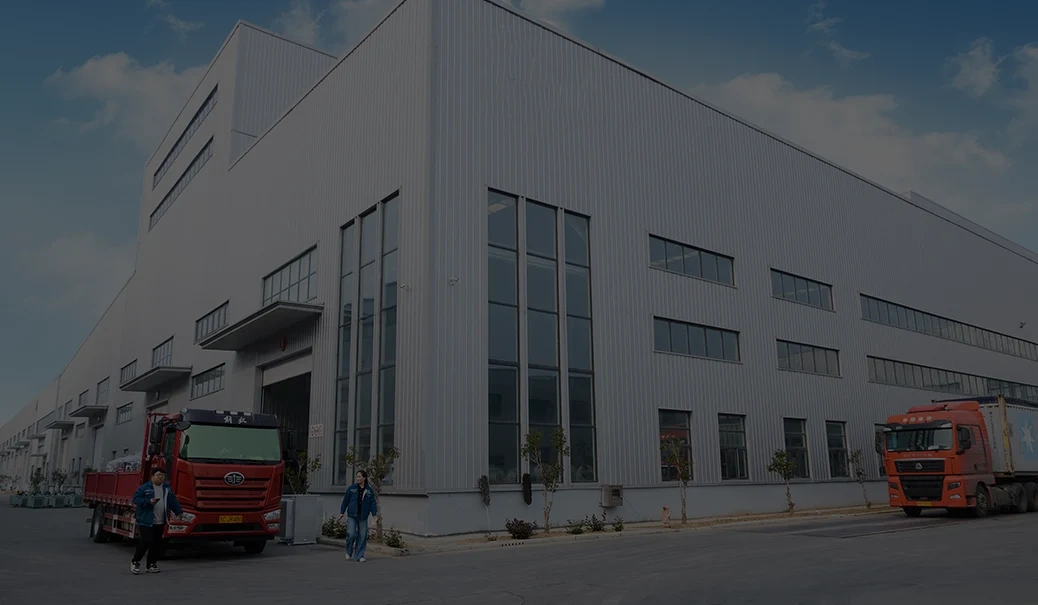
When extreme weather threatens operational continuity, a Wind Resistant Steel Warehouse becomes essential infrastructure. By using superior aerodynamic design and reinforced portal frame construction, Luoyang Innovation Building Material Co., LTD experts created specialized storage facilities that can withstand wind speeds of up to 280 km/h. With an annual capacity of more than 50,000 tons, our 50,000-square-meter production base produces structures using Q355B high-strength steel. With ISO9001, CE, and ASTM compliance, each Warehouse has certifications for Earthquake Resistance Intensity 7, Fire Resistance Class II, and Structural Safety Class II.
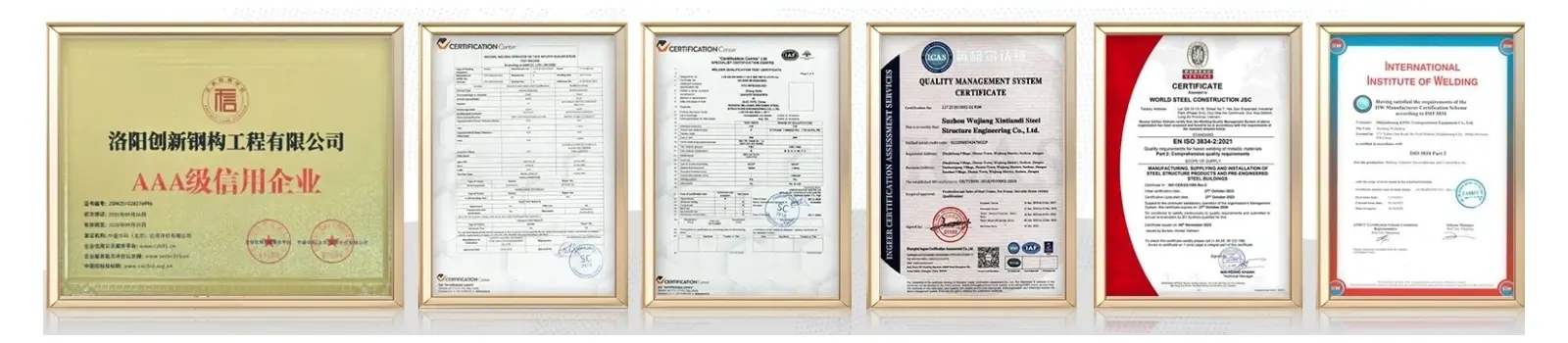
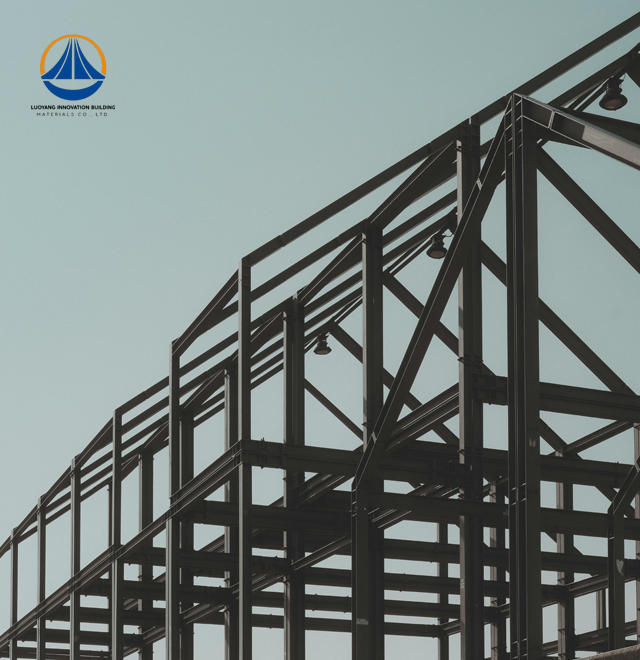
Modern industrial operations in coastal regions and typhoon-prone areas demand structures that protect assets during severe weather events. Our warehouse systems integrate specialized bracing configurations with high-strength bolt connections rated 10.9S grade. The portal rigid frame construction utilizes lightweight H-steel or square tubing combined with galvanized purlins, creating exceptional load distribution.
Reinforced cladding systems prevent catastrophic failures common in conventional buildings. Standing seam roof panels eliminate fastener-hole enlargement under sustained wind vibration. Closer purlin spacing—customized according to site-specific wind load calculations—ensures panel integrity remains intact during extended storm exposure.
| Parameter | Specification |
|---|---|
| Total Coverage Area | 12,160 m² |
| Span × Width × Height | 180 m × 68.9 m × 7.67 m |
| Eave Height | 7.67 m |
| Primary Frame Material | Q355B or ASTM A572 Grade 50 steel |
| Wind Resistance Capacity | 150–280 km/h (customizable) |
| Corrosion Protection | Hot-dip galvanizing > 275g/m² |
| Cladding Options | Single-skin steel sheet or insulated sandwich panel |
| Earthquake Resistance | Intensity 7 |
| Fire Rating | Class II |
| Production Lead Time | 60 days post-confirmation |
Standard warehouses are unable to provide the protection your facility needs. Three crucial failure modes are addressed by our engineering methodology: progressive collapse, lateral shear, and uplift pressures.
Advanced Connection Systems: To ensure weld integrity under cyclic loads, each junction is subjected to magnetic particle inspection. Fastener torque verification ensures that pull-out resistance surpasses design standards by at least 15% safety margins by adhering to FM Global testing protocols.
Aerodynamic Geometry: Uplift pressure differentials are reduced by computer-modeled roof angles. Boundary layer behavior is verified by wind tunnel validation to match theoretical models and avoid unanticipated turbulence pockets.
Impact-Resistant Cladding: Steel panels with a gage of at least 0.6 mm are resistant to wind-borne debris penetrating them. Performance is verified against projectiles moving at storm velocities thru industry-standard missile impact testing.
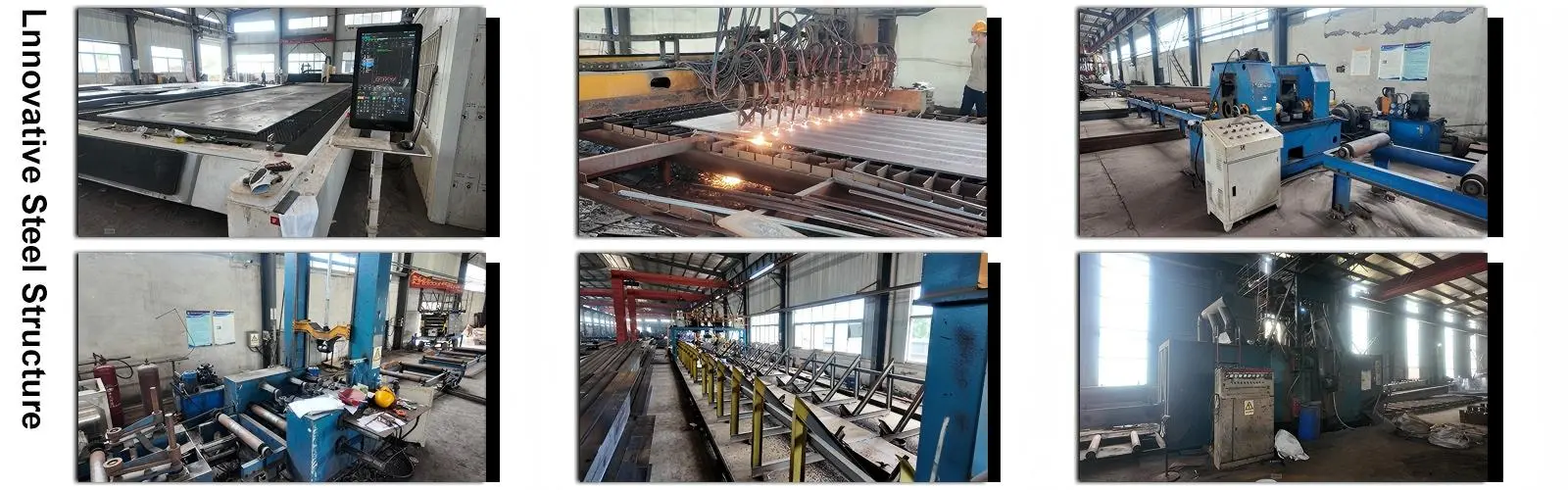
Coastal Port Logistics Operations: Conventional constructions face challenging conditions due to salt-laden winds and seasonal cyclones. Our corrosion-resistant coatings preserve structural integrity during Category 3 storm conditions and prolong service life beyond 25 years.
Remote Island Supply Chains: Your infrastructure needs to be self-sufficient when repair teams are unable to react right away. Flexible inventory management is made possible by column-free spans up to 180 meters, and soil liquefaction is prevented by reinforced foundations.
High-Value Manufacturing Zones: Pharmaceutical manufacture and electronics assembly need constant climate control. Even when outside winds cause pressure changes throughout building envelopes, insulated sandwich panels retain thermal efficiency.
Storage of Agricultural Products: Structural failure cannot be tolerated in harvest season Wind Resistant Steel Warehouse. Quick 30-day assembly schedules guaranty that facilities are operational prior to crucial storage times.
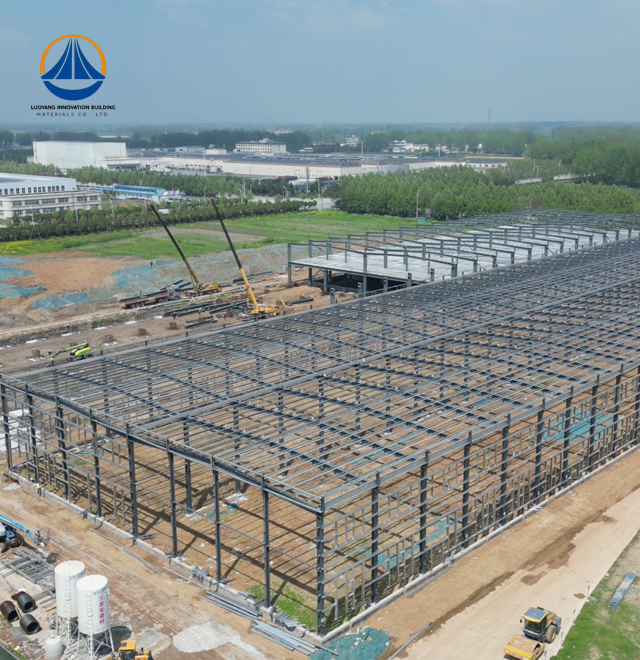
Compared to conventional methods, prefabricated components arrive with millimeter-precision tolerances, resulting in a 40% reduction in on-site assembly time. Regardless of seasonal weather variances, your building timetable is predictable.
Concrete curing delays are eliminated with dry assembly techniques. Once structural components interlock, bolt connections enable instant loading. Crews are guided thru methodical erection processes by installation drawings that are included with every shipment.
35% less foundation is needed when the structural weight is lighter. During the site preparation stages, ground treatment expenses drop proportionately, resulting in quantifiable savings.
Steel's 100% recyclable nature complies with business sustainability requirements. Thru secondary markets, materials retain 90% of their initial worth at the end of service. LEED certification standards are supported by minimal construction waste during installation.
The operational lifespan can be extended beyond 50 years with basic maintenance procedures. Bracing tension verification and fastener integrity checks are the major focus of annual inspections; your current maintenance teams can simply incorporate these procedures into regular schedules.
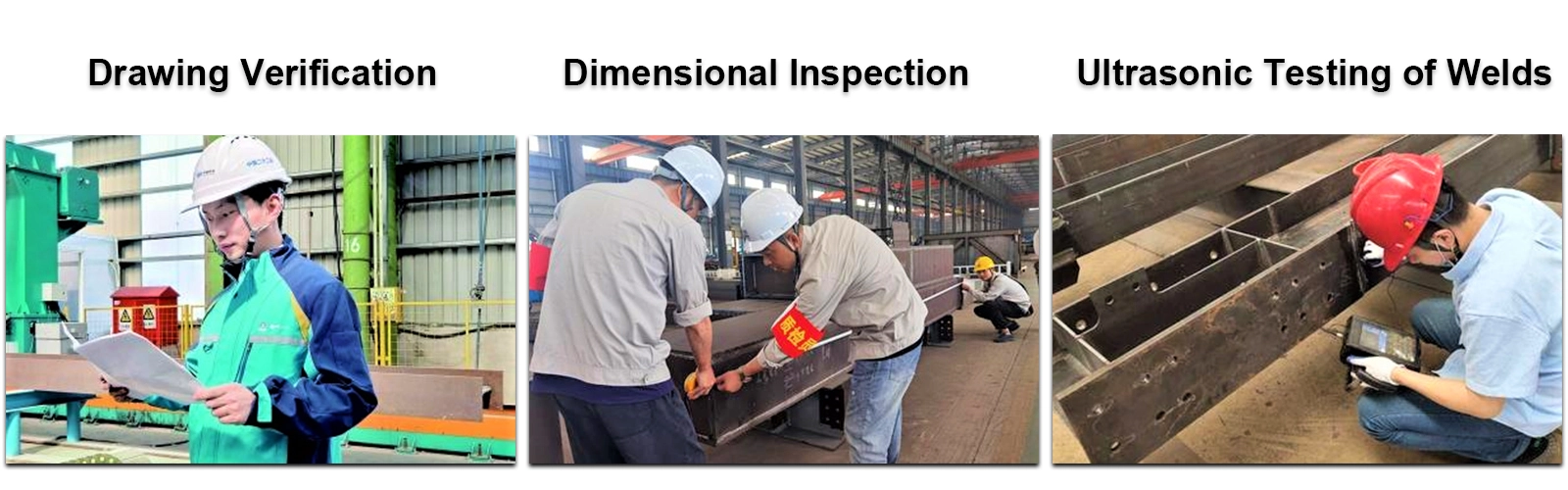
Every structural element undergoes multi-stage verification before shipment:
Ultrasonic Testing: Identifies subsurface weld discontinuities invisible to visual inspection.
Coating Thickness Measurement: Laser micrometry confirms protective layers meet specified micron thresholds across 100% of surfaces.
Structural Alignment Verification: Laser leveling equipment ensures geometric accuracy matches aerodynamic design models within 3mm tolerances.
Load Simulation: Physical testing of connection assemblies under forces exceeding design specifications by 25% validates performance margins.
Q: How does a Warehouse differ from standard steel buildings?
A: It incorporates closer purlin spacing, reinforced portal frames, and standing seam roofing that prevents fastener loosening during sustained vibrations.
Q: What wind speeds can these structures withstand?
A: Design capacities range from 50m/s to 80m/s (3-second gusts), customized to match your site's specific meteorological data and local code requirements.
Q: Can existing warehouses be upgraded?
A: Partial retrofitting through knee braces, secondary reinforcement, and hurricane clips is feasible, though ground-up construction provides optimal performance.
Q: What maintenance schedule is recommended?
A: Annual inspections focusing on bracing systems and connections, with additional checks after any wind event exceeding 100 km/h.
Q: Does the design resist impact damage?
A: Yes, specified cladding materials pass large missile impact tests, protecting against debris typical in severe storm conditions.
Luoyang Innovation Building Material Co., LTD combines intelligent manufacturing with engineering precision. Our 2-million-square-meter annual production capacity ensures your project timeline remains achievable. Contact our technical team at eric@cxsteelstructure.com to discuss your Wind Resistant Steel Warehouse requirements and receive customized design proposals.
March 18, 2024
Their steel structures are exceptionally strong and precisely manufactured. The entire production process was highly professional.
September 7, 2024
We were impressed by their advanced steel structure production line and excellent fabrication quality. The final products met our project requirements perfectly.
February 14, 2025
From structural design and detailing to fabrication and delivery, their technical team provided professional support throughout the project.
July 22, 2026
The steel structure components showed excellent precision, durability, and workmanship. Their reliable service gave us great confidence in the project.