
March 18, 2024
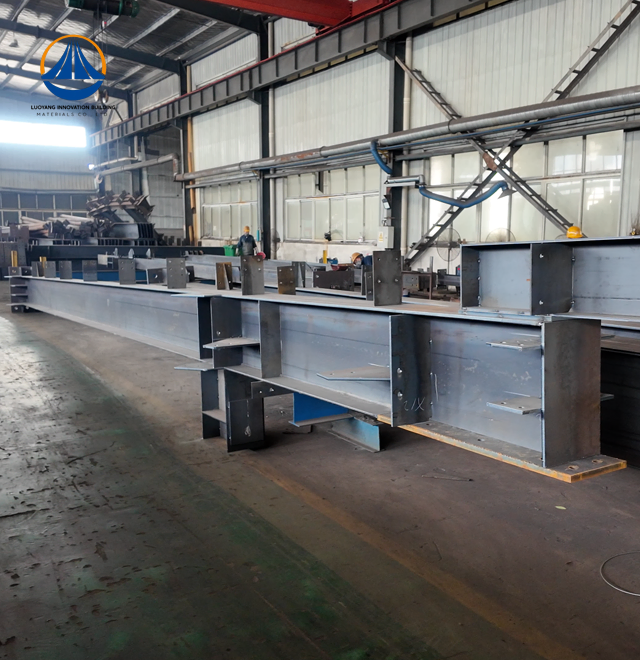
Their steel structures are exceptionally strong and precisely manufactured. The entire production process was highly professional.
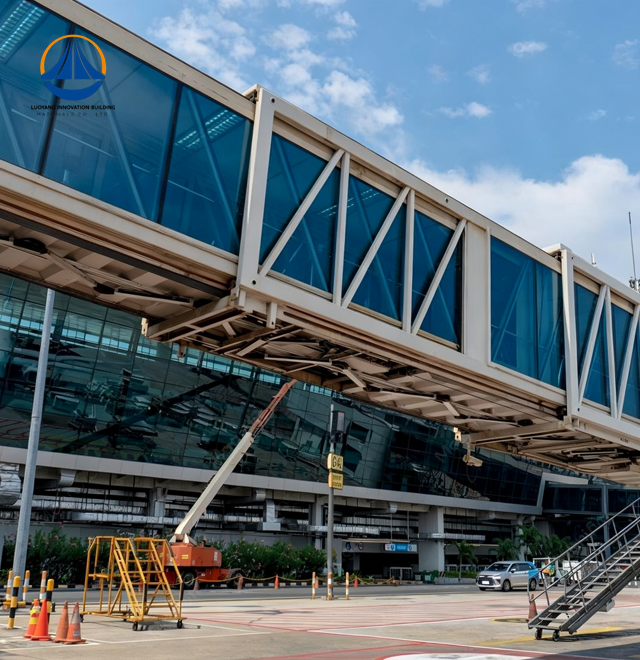
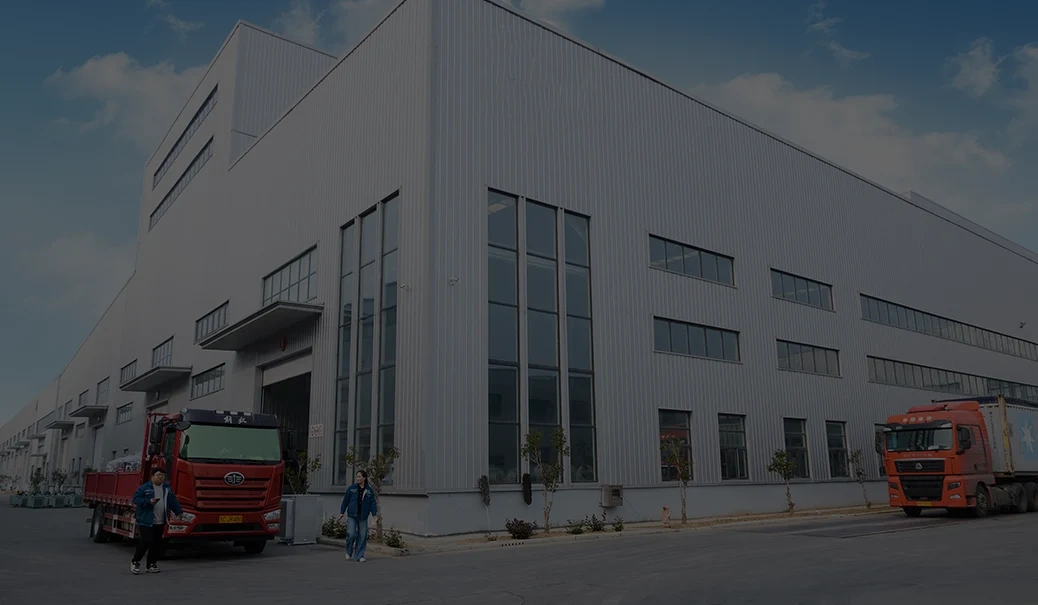
With a 50,000-square-meter production base and a 50,000-ton yearly steel fabrication capacity, Luoyang Innovation Building Material Co., LTD provides state-of-the-art Steel Structure Airport Terminal solutions. Every year, our sophisticated production lines generate more than 2 million square meters of building materials, guaranteeing timely delivery for major aviation projects. Utilizing H-section steel and galvanized purlin systems, we are an integrated provider of design, fabrication, and construction services with a focus on column-free spatial frameworks. In order to meet ISO9001, CE, and COC certification requirements for international aviation infrastructure, each terminal component is precisely engineered in controlled factory environments, cutting construction time on-site by up to 50%.

Architectural solutions that strike a balance between structural safety and operational efficiency are necessary for modern aircraft hubs. Steel frames are excellent at producing large, open interiors, which are crucial for controlling passenger movement in baggage claim and check-in facilities. Because of the material's excellent strength-to-weight ratio, there is no need for intermediary columns, allowing for unhindered sightlines over 80 to 120 meters in terminal halls.
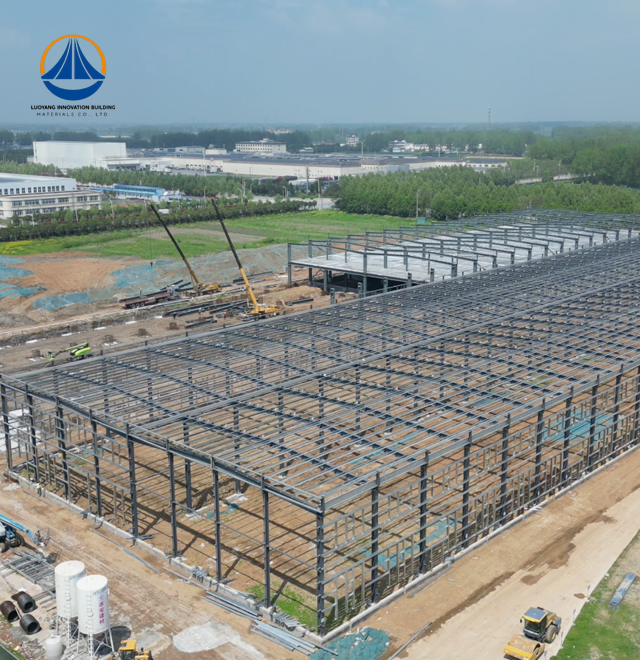
Here, prefabrication is revolutionary. Up to 90% of the parts are delivered to the location prepared for assembly. This strategy reduces labor hazards and weather-related delays.
Another important benefit is seismic performance. Steel is perfect for terminals in active geological zones because of its inherent ductility, which enables structures to absorb and disperse energy during earthquakes or strong winds.

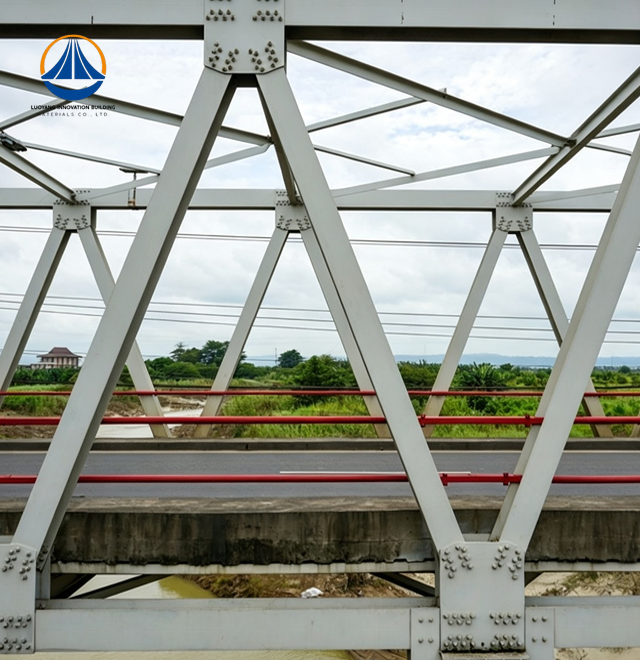
Our Steel Structure Airport Terminal systems combine lightweight H-beam primary frames with galvanized C/Z-type purlins for secondary support. This configuration ensures dimensional precision while accommodating thermal expansion in extended structures.
| Parameter | Specification |
|---|---|
| Structural Type | Lightweight H-beam or square tube frame |
| Primary Steel Grade | Q355B / Q420 / S355 |
| Secondary System | Galvanized C/Z purlins with tie rods |
| Typical Span | 60–120 meters (column-free) |
| Wind Resistance | Grade 12 typhoon compliance |
| Seismic Rating | Grade 8–9 intensity zones |
| Corrosion Protection | Hot-dip galvanizing + epoxy coating |
| Fire Rating | 2–3 hours with intumescent coatings |
| Service Life | 50+ years |
Foundation loads drop by 30 to 40 percent compared to concrete alternatives. This weight reduction translates directly into cost savings during ground treatment and pile installation phases.
Quicker Project Schedules
Construction schedules can be shortened by 30 to 50 percent using standardized prefabrication. On-site adjustment delays are eliminated when components produced under stringent quality controls arrive with millimeter-level accuracy. Terminals can start up months ahead of schedule, increasing income production.
Optimal Usable Space
The floor area ratio rises by 3 to 8 percent with thinner column profiles and thinner walls. For passenger facilities and retail concessions, every square meter counts in high-value airport real estate.
Superior Sturdiness and Security
Consistent structural integrity is ensured by factory-controlled welding and bolt torque verification. At active airfields, dry construction techniques comply with stringent environmental laws by reducing noise and dust pollution.
Recyclable and Sustainable
ESG obligations are supported by steel's 100% recyclable nature. Compared to dismantling concrete structures, post-service-life terminals can be disassembled and used again, producing less construction waste.
Long-Term Economic Effectiveness
Better return on investment is provided by lower foundation costs, less maintenance needs, and longer service life. During upgrades, terminals remain functioning thanks to the streamlined repair procedure.
International Hub Main Terminals
Heavy-duty box columns and cantilevered trusses create soaring check-in halls flooded with natural light. Security screening zones benefit from unobstructed layouts that improve passenger throughput.
Coastal Satellite Concourses
Duplex coating systems—combining hot-dip galvanizing with epoxy layers—protect against C5-M marine corrosion categories. This ensures structural longevity in humid, salt-laden environments near ocean terminals.
Intermodal Transport Hubs
When airports integrate with high-speed rail stations, steel's vibration-damping properties manage dynamic loads from arriving trains. Acoustic resonance control maintains passenger comfort across shared transit zones.
Regional Aircraft Hangars
Clear-span designs accommodate maintenance bays for commercial aircraft. Roof-mounted crane systems operate freely without interference from internal columns.
Every critical weld undergoes 100 percent ultrasonic or radiographic inspection. Non-destructive testing protocols identify microscopic flaws before components leave the factory floor.
Dry film thickness verification confirms that fireproof coatings meet 2- to 3-hour rating standards. High-strength friction-grip bolts receive torque checks to prevent loosening under cyclic wind loads.
Three-dimensional laser scanning validates geometric accuracy for complex curved roof systems. Trial assembly at our facility eliminates fit-up errors that could delay site installation.
Salt spray testing certifies corrosion resistance for terminals in tropical or coastal climates. These measures guarantee compliance with AISC 360, EN 1993, and ISO 12944 benchmarks.

We oversee every phase, from conception to commissioning. Our group creates erection manuals, packing lists, and comprehensive fabrication drawings. Throughout the final handover, technical support is maintained to guaranty seamless cooperation between contractors and airport authorities.
Whether it is incorporating specialized HVAC systems for biometric security zones or enabling future terminal expansions, design assessments take client-specific requirements into account.
Because of our automated processing lines, manufacturing lead times are still short. In order to prevent storage bottlenecks at crowded building sites, logistics coordination makes sure that truck-transported modules arrive in order.
Q: How do large terminals handle thermal expansion beyond 500 meters?
A: We install slotted expansion joints paired with PTFE sliding bearings. These components allow longitudinal movement while maintaining lateral stability, preventing stress accumulation.
Q: What fire protection methods are used for exposed steel?
A: Thin-film intumescent coatings expand when heated, forming a protective char layer. This passive system complies with ASTM E119 and EN 1363 fire-resistance standards without requiring water-based sprinklers near electronics.
Q: Can terminals be expanded without disrupting operations?
A: Yes. Modular bolted connections enable phased extensions during off-peak hours. Minimal hot work and dust generation keep existing concourses fully operational throughout construction.
Q: How is corrosion managed in high-salinity regions?
A: A three-coat system—zinc-rich primer, epoxy micaceous iron oxide, and polyurethane topcoat—provides multi-layer defense. Secondary members receive full hot-dip galvanizing for maximum protection.
Q: Is steel more economical than concrete for airport projects?
A: Although material costs may be higher upfront, faster construction schedules and reduced foundation expenses typically lower total ownership costs by 15 to 25 percent over the terminal's lifespan.
Luoyang Innovation Building Material Co., LTD combines advanced manufacturing capabilities with deep aviation sector expertise. Our 50,000-ton annual capacity and intelligent production systems ensure your Steel Structure Airport Terminal meets the tightest deadlines without compromising quality. Whether you're planning a new hub or expanding existing facilities, our engineering team delivers custom solutions tailored to your operational requirements. Contact our project specialists at eric@cxsteelstructure.com to discuss design options, technical specifications, and delivery schedules for your next aviation infrastructure project.
March 18, 2024
Their steel structures are exceptionally strong and precisely manufactured. The entire production process was highly professional.
September 7, 2024
We were impressed by their advanced steel structure production line and excellent fabrication quality. The final products met our project requirements perfectly.
February 14, 2025
From structural design and detailing to fabrication and delivery, their technical team provided professional support throughout the project.
July 22, 2026
The steel structure components showed excellent precision, durability, and workmanship. Their reliable service gave us great confidence in the project.